UAE-Algeria Flights Unaffected, Agreements in Flux
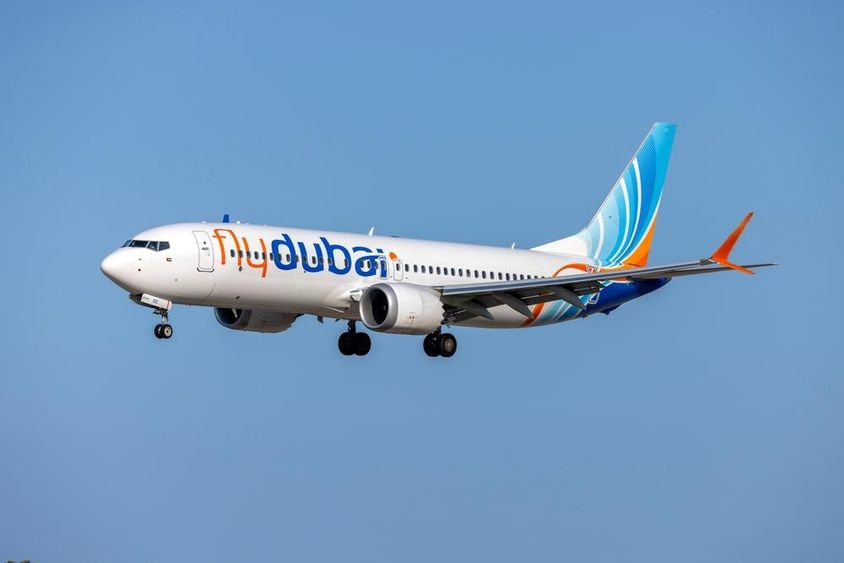
Flights Between UAE and Algeria: Operations Continue Unaffected
Recent announcements regarding air traffic relations between the United Arab Emirates and Algeria have created waves among aviation watchers. Algeria has officially stated that it will begin the process of terminating the bilateral air services agreement signed in Abu Dhabi in 2013. Many were surprised by the news, especially since the Algerian side provided no explanation for the decision. However, the GCAA (General Civil Aviation Authority) statement quickly allayed concerns: flights will continue to operate smoothly, with no immediate impact on passengers or airlines.
What does the termination of such an agreement mean in practice?
International aviation agreements, such as bilateral Air Services Agreements (ASA), regulate commercial flights between countries within legal and diplomatic frameworks. These agreements specify, for example, how many flights can operate weekly, between which cities, with which types of aircraft, and by whom they can be operated.
The GCAA confirmed that the agreement is still legally valid until the end of the termination period, so the affected flights - including those from Dubai to Algiers or Oran - continue to operate according to the usual schedule. The announcement of termination does not mean that flights will stop the next day or that traffic will cease. In legal terms, such processes are followed by a longer transitional period, often spanning months, during which the parties can continue negotiations or even conclude a new agreement.
Why is official communication important?
The GCAA's reaction is considered exemplary. They quickly and clearly informed the public, dispelling speculations and conjectures. They particularly emphasized that the developments are being handled responsibly, according to international legal and diplomatic requirements, and in close cooperation with all relevant bodies.
This calm communication is especially important in a region where aviation plays a crucial role not just in tourism, but also in economic and diplomatic terms. The flights connecting Dubai and Algiers do not just carry passengers; they maintain cultural and business connections as well. Any disruption in these relationships would quickly be noticeable in passenger traffic, cargo transportation, or even in the airline schedules.
What might be behind the decision?
Since the Algerian government has not provided an official rationale for the step, one can only speculate. Diplomatic relations between the two countries do not appear to be particularly tense, so many instead suspect domestic political or economic reasons behind it. Algeria might want to renegotiate conditions or try to reshape its air alliance system from another direction. It's also possible that some reconsideration of commercial or regional priorities is behind the decision.
From the UAE's side, there has been no confrontational statement; the emphasis remained on professional cooperation and compliance with legality. This indicates that the Emirates do not interpret the announcement as a hostile act and remain open to further negotiations.
What could happen in the future?
The range of scenarios is wide. Based on the current situation, three main possibilities emerge:
1. Renegotiated Agreement – The two countries agree on new terms through diplomatic channels, leading to a modernized agreement that may offer more opportunities.
2. Termination, but Alternatives – If the agreement eventually ceases, flights might stop unless connections can be maintained through ad hoc permissions (charter, open skies, etc.).
3. Political Resolution – Any underlying issues – if they existed – are clarified, and the termination is withdrawn, maintaining the status quo.
Why is this important from the perspective of passengers and companies?
Direct air connections are particularly important for communities with a strong diaspora presence or significant commercial relations. Flights linking Dubai and Algiers are vital not only for tourists but for workers visiting their families, businesspeople, and trade actors.
The removal of such direct flights always comes with inconvenience, as it could result in detours, transfers, or higher prices. Fortunately, this is not the case at present: the flights continue, and ticket booking is uninterrupted.
Conclusion
The world of aviation agreements is less spectacular than the take-offs of planes or the life of airport terminals, yet they form the foundation for the very existence of air connections between countries. The current situation between the UAE and Algeria reminds us that these agreements are living, continuously evolving documents that involve not just legal texts but also diplomatic nuances and economic interests.
Based on current developments, there's no cause for concern: flights between Dubai and Algiers continue to operate, and the official bodies are handling the situation responsibly and with foresight. Air traffic – at least for now – continues unhindered.
If you find any errors on this page, please let us know via email.


