UAE Air Traffic Resumes: Cheaper Flights Ahead
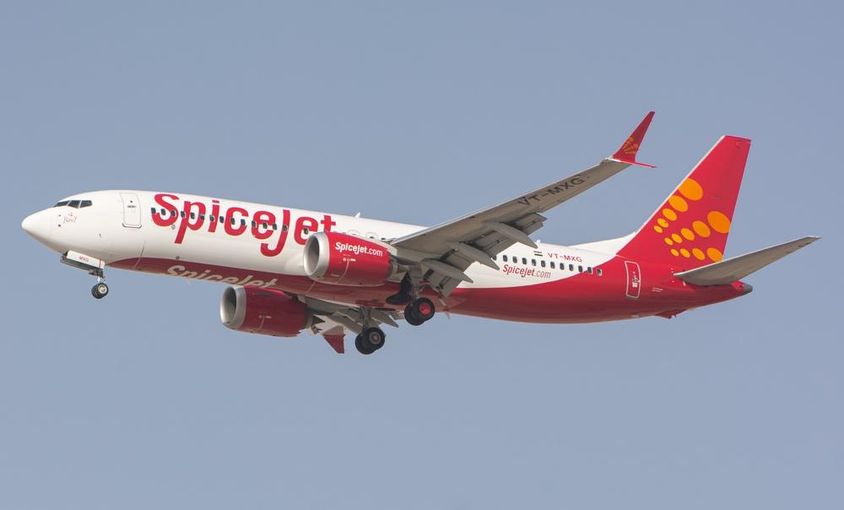
UAE Airspace Reopens: Cheaper Flights Possible, But Not Everywhere
After months of uncertainty, a significant turnaround has occurred in the air travel sector of the United Arab Emirates. Authorities have officially announced that the previously imposed restrictions have been lifted, and air traffic has returned to normal operations. This change not only offers relief to airlines but also opens up new opportunities for residents and tourists eager to travel, especially ahead of the upcoming holiday and summer season.
Background and Lifting of Restrictions
The airspace restrictions were prompted by a tense geopolitical situation, forcing several airlines to alter their flights, use detour routes, or temporarily suspend certain destinations altogether. Such measures have a considerable impact on the entire air transport chain: fuel costs rise, the number of available seats decreases, and this directly affects ticket prices as well.
However, after comprehensive security and operational assessments, authorities determined that the situation has stabilized, making it unnecessary to maintain restrictions. Consequently, airlines are gradually returning to their previous schedules, marking the first and most crucial step towards market normalization.
More Flights, More Seats, Lower Prices
The reopening of airspace has an immediate impact on supply. As more flights resume, the number of available seats also increases. According to the classic law of supply and demand, this pushes prices downwards.
In recent weeks, many travelers postponed their plans as ticket prices saw significant increases. On some popular routes, the price skyrocketed compared to previous rates, forcing many families to opt for local vacations instead of international travel. Now, however, there is a renewed opportunity for those long-planned trips.
The timing of this change is particularly favorable, as the holiday season and school vacations coincide. This period traditionally represents one of the busiest travel times in the UAE, as throngs of families set off on their journeys.
Holiday and Summer Season Convergence
This year's holiday season creates an especially advantageous situation for travel, as a longer break is available, ideal for a foreign getaway. Schools are granting multiple days off, further encouraging families to travel.
Previously, many gave up on these plans due to high prices. Now, however, changes in the market spark a renewed demand. Airlines are also anticipating this and are gradually increasing their capacities to meet the demand.
Not All Destinations Will See Immediate Price Drops
It's important to note that price reductions will not occur at the same pace across all routes. In certain regions, higher prices may persist, especially where airlines have not yet restored their full capacity.
For example, on long-haul westward routes, several factors may slow down price reductions. Some airlines are deploying their aircraft in other regions, taking time to return to the original routes. Additionally, certain airspace sections remain less than ideal, resulting in longer flight times and higher costs.
This means those wishing to travel in these directions may still face higher ticket prices for a while, although the situation is expected to gradually improve in the second half of summer.
Regional Routes: Faster Normalization
Conversely, nearby destinations may experience a quicker return to normality. Routes that don't require lengthy detours are likely to return to their usual operations sooner. Price reductions on these routes may become noticeable in the short term.
This is particularly true for destinations that emerged as alternative options during the recent period. Many families turned towards regions where more favorable prices were still available. Now, however, these markets are also finding a new equilibrium.
Towards India: Significant Price Drop Expected
One of the most interesting changes is noted on routes to India. Recently, significant capacity reductions occurred here, leading to price hikes. Now, as airlines can return to full operation, a substantial price drop is expected.
As the number of daily flights returns to previous levels, the increase in supply will quickly reflect in ticket prices. This is especially important for those who regularly travel this route or are planning family visits.
Why Won't Prices Immediately Return to Previous Levels?
While the situation is improving, one shouldn't expect ticket prices to instantly return to previous low levels. Several reasons underpin this.
One of the most important factors is the price of fuel. High energy costs still represent a significant expense for airlines, which they are partially forced to incorporate into ticket prices.
Moreover, certain airspace sections remain with limited usability, resulting in longer routes and bigger expenses. This particularly poses a challenge for long-haul flights.
What Does This Mean for Travelers?
The reopening of UAE airspace is clearly a positive development, offering travelers more options, greater flexibility, and gradually decreasing prices.
However, it's wise to plan thoughtfully. Those aiming for the best prices should keep an eye on flight reinstatements and handle travel dates flexibly. Prices continue to fluctuate as the market adapts to the new situation.
Summary
The normalization of air traffic is a significant milestone for the UAE. Lifting the restrictions not only has a substantial impact on the economy but also on everyday life. The reopening of the travel market boosts tourism while creating more favorable conditions for travelers.
Although prices aren't dropping everywhere and immediately, the trend is clear: in the coming months, more routes will become accessible and affordable. For those who have been waiting, it's worth reconsidering travel, particularly in the upcoming holiday and summer period.
If you find any errors on this page, please let us know via email.