UAE Air Defense Neutralizes Third Missile Wave
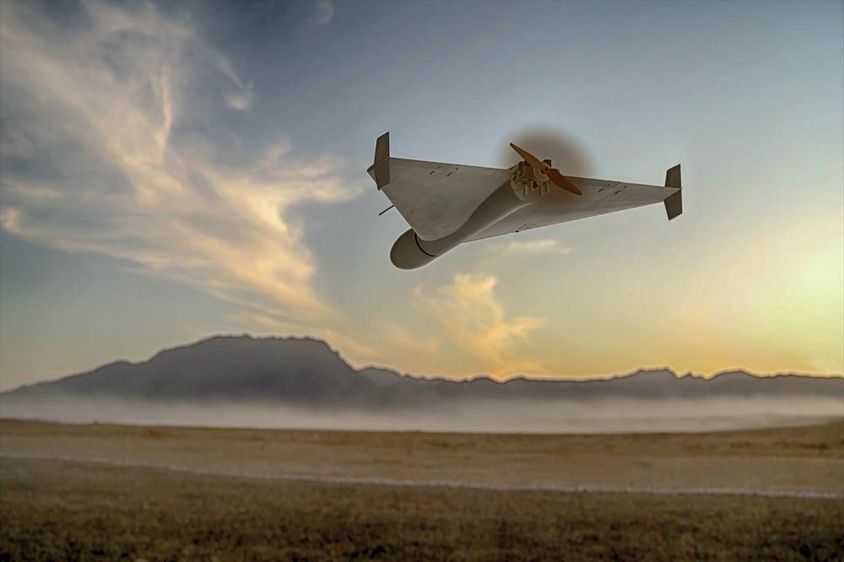
Third Wave of Missiles Defeated in UAE - Air Defense Triumphs Again
The United Arab Emirates' defense system once again demonstrated its preparedness and technological superiority when it successfully intercepted a third wave of incoming missiles and drones launched from Iran towards the country in the late evening hours. According to the official statement, the air defense units efficiently neutralized the threat, with no significant material damage reported and no injuries.
The announcement holds not only military but also political and social significance. Such an incident always tests the quick response of state institutions, the reliability of technological systems, and the public's sense of security. The successful interception sends a clear message: the country's defense system is operational and capable of handling complex, multi-wave attacks.
Air Defense Efficacy and Modern Warfare Challenges
One of the biggest challenges of modern warfare is managing combined attacks. The simultaneous use of missiles and unmanned vehicles aims to overwhelm defense systems. The fact that UAE's air defense successfully neutralized such threats for the third time indicates that strategic planning and technological investments have been effective.
According to official information, fragments of the intercepted devices fell in multiple locations across Abu Dhabi and Dubai. Although these debris landed at various points, no injuries occurred, demonstrating the quick and precise response. In such situations, coordination between military and civil authorities is crucial, as interceptions over populated areas always carry risks.
Sovereignty and International Law
The Ministry of Defense emphasized that the attack constitutes an open violation of national sovereignty and international law. This wording is not merely rhetorical but also a diplomatic message. A missile and drone attack against a state's territory is not only a military action but also a political statement, potentially having long-term implications for regional stability.
The United Arab Emirates has indicated that it reserves the right to take all necessary measures to protect its territory and citizens. This statement clearly shows that the country is not only passively defending itself but also considering strategic responses.
Public Safety as a Primary Priority
An important element of the official statement was that the security of citizens, residents, and visitors is the primary priority. The UAE is particularly sensitive to this issue, given the significant number of foreigners living and working in the country, with Dubai functioning as a global business and tourism hub.
Such an incident can influence international public opinion and investor confidence. However, the quick and efficient defense reassures the world that the country can ensure stability even amid periods of tension. For tourism, financial services, and international trade, this is crucial.
Information Discipline and the Risks of Rumors
The ministry called on the public to rely only on official sources for information and avoid spreading unfounded information. In crisis situations, misinformation can cause as much damage as a physical attack. In the age of social media, a misleading post can incite panic within minutes, adding further pressure on authorities.
Information discipline is therefore not just a communication issue but a national security factor. State agencies strive to provide transparent and swift information to prevent speculation and unnecessary worry.
Regional Tensions and Strategic Balance
The geopolitical tensions in the region are not new, but recent events clearly show that conflicts have escalated to a new level. The use of drones and precision missiles indicates that warfare technology is continuously evolving, requiring defenses to adapt.
The UAE has long strived to set an example of stability and economic growth in the region. However, such attacks highlight that maintaining security requires continuous investment, vigilance, and strategic cooperation.
Dubai's Role on the Global Security Map
Dubai is not just a city but a global brand symbolizing openness, modernity, and economic dynamism. An attack against such a target could be significant not only militarily but also symbolically. The successful interception and absence of injuries reinforce the message that the city and country continue to offer a safe environment for residents and visitors.
The events highlight that security today is not a static state but a continuously maintained balance. Technological advancements, international collaborations, and internal stability are all necessary to preserve a country's sovereignty and economic strength.
Summary: Message of Strength and Stability
The interception of the third missile wave sends a clear signal that the United Arab Emirates is prepared to handle modern threats. The efficiency of air defense, rapid official communication, and the absence of injuries all demonstrate that the country's institutions are functional and respond in coordination.
The current situation, however, serves as a warning: the region's security environment is fragile, and maintaining stability requires ongoing attention. The country's leadership has made it clear that sovereignty and public safety are non-negotiable. Dubai and Abu Dhabi aim to remain islands of stability in a challenging region, and the recent events show that they have both the means and the determination to do so.
If you find any errors on this page, please let us know via email.


