UAE 2026: A Glimpse Into the Future
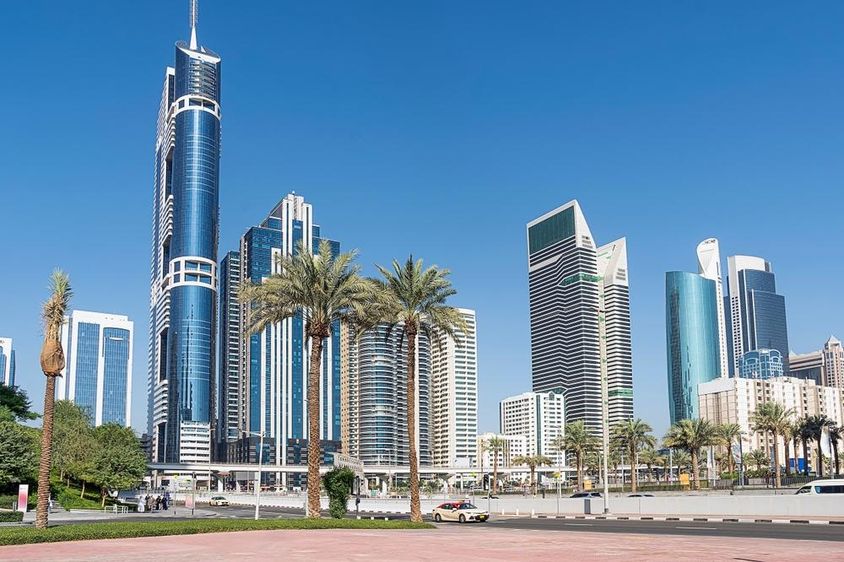
The Future Has Begun: What 2026 Holds for UAE Residents?
The United Arab Emirates is already shaping the future—not only with grand-scale investments and technological advancements but also with regulatory changes aimed at improving quality of life, protecting health, promoting sustainability, and encouraging innovation. The year 2026 could mark the beginning of a new era, with significant changes expected in many areas that will impact daily life, transportation, education, the economy, and taxation.
Healthier Lifestyle: Change in Sugary Drinks Taxation
One of the most significant measures directly affecting residents involves sugary drinks. From January 1, 2026, the current product-category-based excise tax will be replaced by sugar-content-based classification. This means the more sugar a drink contains, the higher the tax will be. The aim is clear: to encourage manufacturers to develop healthier products and reduce obesity and the spread of diabetes.
Plastic Stop: Another Step Towards Sustainability
Starting in early 2026, the UAE will completely ban the import, production, and distribution of single-use plastic products. The gradual regulation initially launched in 2024 now steps up: not only are plastic bags and straws on the prohibition list, but also plastic cutlery, cups, lids, food containers, and plates. While Dubai and other emirates previously introduced a 25 fils charge on plastic bags, the whole country now acts uniformly to reduce plastic waste.
Tax Reforms: Simplification and Digital Transition
In the field of taxation, 2026 brings a new era. Value-added tax (VAT) rules are significantly transforming. One major change is the abolition of the self-invoicing obligation when applying reverse charge. In addition, a five-year deadline is introduced for submitting tax refund claims.
Comprehensive tax reforms have been announced to increase transparency and simplify refund processes. The Federal Tax Authority's investigation and audit powers will also expand, facilitating quicker and more predictable administration.
E-Invoicing: Mandatory Digital Invoicing for Businesses
By mid-2026, all businesses in the country will be required to transition to e-invoicing. The paper-based or PDF invoices will be replaced with standardized electronic format invoices containing structured data. This not only accelerates administration but also ensures legal compliance and eases inspections for the tax authority.
Uniform School Year in Indian Schools
Indian curriculum schools operating in the UAE will also undergo changes: from April 2026, they will be required to operate according to the school year defined by the Ministry of Education. The current cycle from April to March will be replaced by a unified calendar aimed at harmonizing the educational sector.
Etihad Rail: National Rail Network with Passenger Services
One of the most anticipated developments of 2026 is the launch of passenger services on the Etihad Rail. The rail network will connect 11 major cities and regions, allowing passengers to travel easily across the country. The project is expected to stimulate the economy and transform the real estate market, enabling workers to settle outside cities and commute conveniently.
Flying Taxis: No Longer Sci-Fi
The future is quite literally arriving from the air. In 2026, flying taxis—known as eVTOL vehicles—will officially appear in the UAE. More than 100 helicopter pads will be transformed into vertiports, capable of receiving these environmentally friendly, electric flying machines. Trial flights are already underway, and the aim is to drastically reduce urban travel times from current hours to mere minutes.
Driverless Taxis: Robots at the Wheel
Innovation is also happening on the ground: on Dubai's iconic Sheikh Zayed Road, the rollout of robotaxis will begin. The vehicles currently under testing can travel up to 72 km/h. Passengers will enjoy conveniences like massage seats. This development could fundamentally change the future of transportation.
Dubai Loop: A New Level of Underground Transportation
In 2026, the launch of Dubai Loop is expected, a 17 km long, underground, weather-resistant, and fast transportation system. The project aims to revolutionize urban transportation with minimal surface interventions. The solution is based on Elon Musk's concept and could serve as a model for future transportation networks.
Gitex Expo City in Dubai: An Even Larger Technological Showcase
One of the world's largest technology exhibitions, Gitex, will move to Expo City Dubai in 2026. Besides expanding in size with the venue change, opportunities will also increase. The organizers aim to extend the event across the entire city, allowing international investors and tech companies to become even more deeply involved in the Emirates' innovation ecosystem.
Transport Infrastructure: Revamping the World Trade Centre Junction
The Dubai World Trade Centre roundabout will be transformed into a surface junction with five new bridges that will significantly reduce traffic congestion. The project aims to reduce the average waiting time from 12 minutes to 90 seconds. The first bridge is planned to open in March 2026, and the second in October.
Summary
The year 2026 could be a turning point in UAE's history. The country is preparing for the new era not only with its largest federal budget but also with developments that bring tangible changes to the lives of citizens and residents. From tax reforms to the future of transportation, from strengthening health awareness to unifying education, every initiative serves the goal of making the United Arab Emirates a more livable, efficient, and future-proof society.
Dubai and the whole country step up to a new level—and it seems the future is not starting tomorrow but now.
(Source: 2026 upcoming developments)
If you find any errors on this page, please let us know via email.


