Travel Enthusiasm Resurges After Uncertainty
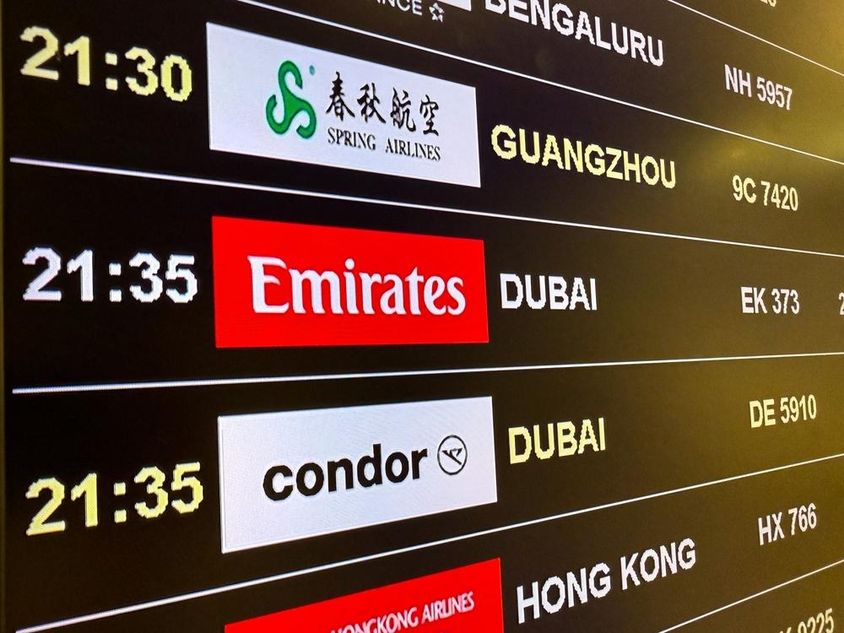
Travel Enthusiasm Resurges After Uncertainty
In recent times, geopolitical tensions in the Middle East have had a significant impact on the travel sector, particularly in global hubs like Dubai. Air travel, tourism, and business trips all declined as uncertainty and security concerns intensified. However, a two-week ceasefire has now brought new hope, with its effects visible in just the first few days: there has been a sudden surge in interest in travel, especially towards the United Arab Emirates.
The Period of Uncertainty and Its Impact
When conflict arises in the region, travel is one of the first areas to react immediately. Tourists postpone, companies wait, and airlines adjust their schedules. Over the past weeks, this is exactly what happened. Travel agencies worldwide reported a dramatic drop in bookings, while the number of cancellations increased.
Dubai, otherwise one of the most stable and safest cities in the region, felt the effects even in this situation. Tourism is a key pillar of the city's economy, so any event affecting the region's perception has a direct impact on arrival numbers as well.
Immediate Effects of the Ceasefire
Demand increased almost immediately after the ceasefire announcement. According to travel agency reports, there was a significant rise in the demand for tourist visas, as well as general interest in airline tickets and packages, within the first hours. This is a clear sign that the intention to travel hasn't disappeared, it was simply on hold.
Many who had previously planned to travel to Dubai for business or leisure simply postponed their plans. However, now that temporary stability is emerging, quick decisions are being made. The "now or never" feeling also arises, as the two-week period is limited, and no one can be sure of what will follow afterwards.
Waiting and Caution Simultaneously
Although the increase in demand is clear, traveler behavior remains cautious. Many inquire but do not book immediately. This is the so-called "wait and see" attitude: they watch developments and only take action if the situation seems to stabilize indeed.
Travel agencies operate similarly. They are in continuous contact with airlines and airports, but a full normalization of schedules has not yet occurred. Some flights still operate on modified routes or with reduced capacity.
This uncertainty is natural, as a ceasefire doesn't provide a permanent solution, it's merely a temporary pause in conflict.
Visa Issues and Practical Challenges
One of the most interesting phenomena is the situation of visitors already in the country. Many travelers arrived on tourist visas but couldn't leave on time due to the conflict. Special humanitarian-based measures were introduced for them, providing a temporary solution.
Now, new questions arise. Will these concessions remain in force? When will airline ticket prices normalize? Is it advisable to return home immediately, or wait a few more days?
Such questions clearly illustrate that travel is not just a matter of decision; it's a complex system of logistical and economic factors.
Seasonal Impacts and Family Travels
The timing of the ceasefire is particularly interesting because it coincides with a period when many families travel. The months between April and May are traditionally strong periods, especially due to school holidays.
During such times, many bring their families to Dubai, even for extended stays. Because of the uncertainty in recent weeks, these trips were either canceled or postponed. Now, however, these plans are resurfacing and could be realized quickly if the situation remains stable.
This fluctuating demand demonstrates how sensitive tourism is to external factors and how quickly it can rebound.
The Key Role of Air Travel
The key to full recovery is undoubtedly air travel. Until flights return to regular schedules, the travel market cannot fully normalize.
Airlines are currently waiting and continuously evaluating the situation. The next few days could be critical because this is when it will become clear how stable the ceasefire is and how quickly the previous operations can be restored.
Dubai Airport is one of the busiest hubs in the world, so any changes have global impacts. If order is restored here, it will have a positive effect on the entire region.
Rebuilding Confidence
Perhaps the most crucial factor is not the schedule or the visa but trust. Traveler decisions are fundamentally influenced by how safe they feel.
The ceasefire is a first step in this direction, but rebuilding confidence takes time. Every single day without further escalation boosts the willingness to travel.
Dubai is particularly well-positioned in this process, as it has long been a stable, well-organized, and secure destination on the international market.
What Lies Ahead in the Coming Weeks?
The next two weeks will be crucial. If the ceasefire holds, a rapid resurgence in the travel market is expected. Booking numbers will rise, flights will return, and tourists will plan confidently once more.
However, if the situation worsens again, the currently visible positive trend could easily be broken. This dual nature currently defines the entire sector.
One thing is certain: the demand for travel has not disappeared. People still want to travel, explore, conduct business, and relax. The only question is when they will feel fully safe to do so again.
Summary: Quick Reaction, Fragile Balance
The current situation clearly shows how fast the travel market reacts to global events. A single announcement is enough to ignite demand, but it can just as quickly fall again if circumstances change.
For Dubai, this is a chance to boost tourism and business travel once more. The coming days and weeks will determine whether this momentum will be sustained or merely a short burst.
The world is watching, travelers are waiting, but more are preparing to go back on the road. And if stability persists, Dubai could once again come to life, as it has so many times before.
If you find any errors on this page, please let us know via email.


