Thriving Global Air Networks in Uncertain Times
Rebuilding Air Networks in an Uncertain World
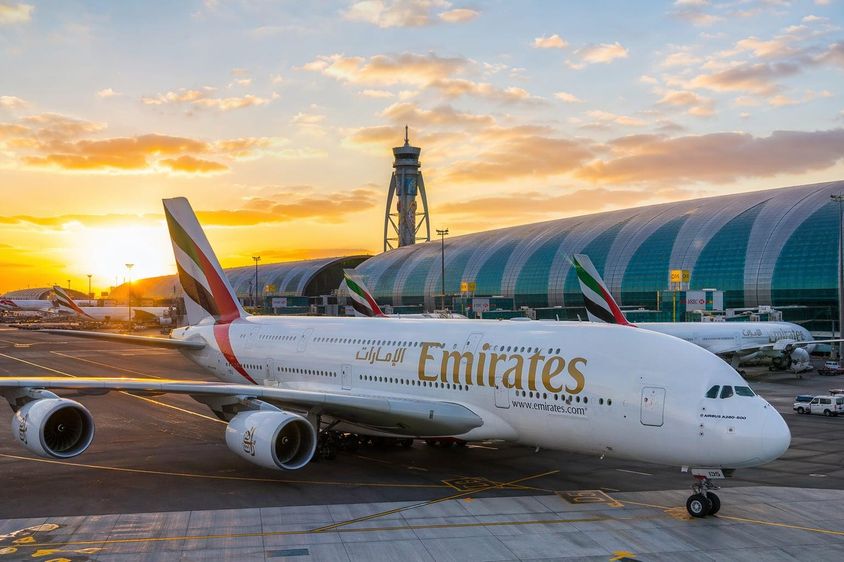
In recent times, international tensions have significantly impacted global aviation; however, a fragile ceasefire is ushering in a remarkable turnaround. Airlines in the United Arab Emirates—led by Emirates, Etihad Airways, flydubai, and Air Arabia—are expanding their routes swiftly and decisively. The goal is clear: to restore global connections and open new opportunities for both business and tourism traffic.
The numbers speak for themselves. Within one month, the number of accessible destinations rose from approximately 250 to over 420, taking into account both direct and connecting flights. This is not merely statistical growth but also a sign of a return of confidence in international mobility.
The Strengthening Role of Dubai as a Global Gateway
One of the biggest beneficiaries of the revival of aviation is undeniably Dubai. The city has already been one of the world's most important transit hubs, but its role is becoming even more significant in the current situation. Its geographical position—at the crossroads of Europe, Asia, and Africa—allows Dubai airports to efficiently connect continents.
The strategy of the airlines is clear: not only are they restoring previous routes, but they are also opening new ones, especially in regions where direct connections were previously underrepresented. Africa has become a key focus area, but there is also significant expansion towards Asia and Europe.
Opening Towards Africa and Asia
One of the most interesting developments is the strengthening presence in Africa. Etihad Airways is launching flights to several new cities, improving connectivity within the continent and with Asia. Destinations like Lagos and Kinshasa, which were less accessible directly, can now become important hubs.
Simultaneously, Asia, particularly Southeast Asia and India, continues to play a crucial role. Major cities like Bangkok, Jakarta, or Mumbai provide stable and continuous traffic while tourism gradually returns to these regions.
Reconnecting Europe and North America
The network expansion in Europe is also notable. Almost every major city on the continent becomes accessible, including centers like London, Paris, or Budapest. This is particularly important for business travel, as restarting economic connections is key to global growth.
In North America, the focus is on major cities: New York, Chicago, and Los Angeles remain prominent destinations. Through connecting systems, however, a much wider network is available, allowing even smaller cities to join the global circulation.
Flexible Operations in Uncertain Conditions
It's important to emphasize that while the network has significantly expanded, operations remain flexible. Many flights do not operate daily, and schedules continually adjust to demand and geopolitical conditions.
This type of adaptive operation is crucial in the current environment. Airlines cannot afford rigid structures, so they constantly monitor travel demand and adjust their capacities accordingly.
Tourism and Economy in New Momentum
The expansion of the airline network directly impacts tourism and the economy. This is especially evident in Dubai: the city is becoming increasingly attractive, not just as a transit point but as a destination in its own right.
Hotels, restaurants, and services are experiencing growing traffic, while business events and conferences are gradually returning. Thus, air travel is not merely a means of transportation but a fundamental driver of economic activity.
Long-Term Prospects
The current expansion is not just a short-term reaction to the ceasefire but also part of a longer-term strategy. The goal of the United Arab Emirates is clear: to maintain and further strengthen its role as a global transportation hub.
Reaching more than 420 destinations demonstrates that airlines are ready to quickly adapt and capitalize on opportunities presented by the changing environment. If the geopolitical situation stabilizes, this network could expand even further, involving new continents and cities.
Summary
The current transformation of aviation shows that the demand for global mobility remains extremely strong. Players like Emirates or Etihad Airways do not just follow trends but actively shape them.
Dubai's central role continues to strengthen as more and more parts of the world become accessible. The jump from 250 to 420 is not only a measurable success in numbers but also a clear indicator that international travel is entering a new era.
The coming months will be crucial: if stability persists, the current expansion could herald the beginning of a sustained growth cycle in global aviation.
If you find any errors on this page, please let us know via email.


