The Power of Community Identity in Dubai
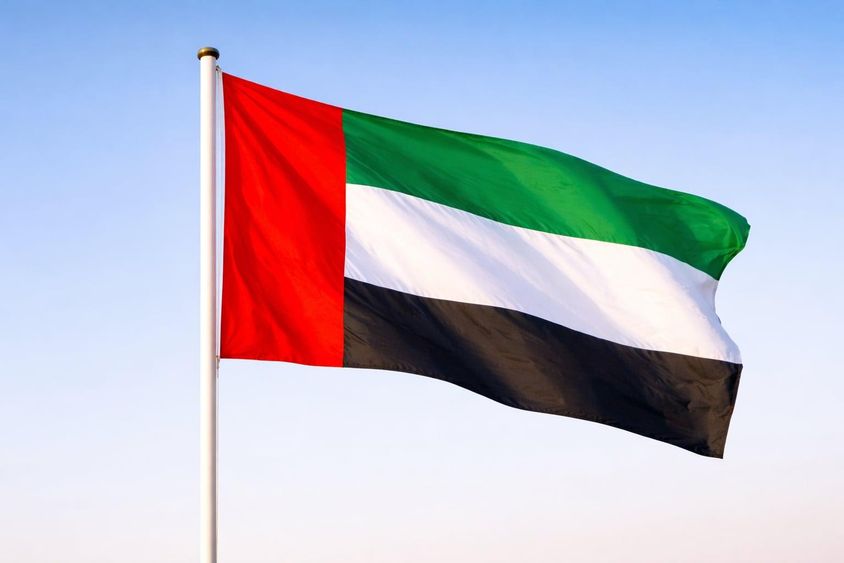
The Power of Community Identity in Everyday Dubai
The name Dubai is primarily associated with skyscrapers, luxury, and rapid economic growth for many. However, the city is much more than that: it is a social space where building community cohesion is just as important as infrastructure development. A recent initiative strengthens this, involving the distribution of hundreds of national flags across various neighborhoods. At first glance, this may seem like a simple gesture, but in reality, it carries a deeper meaning.
The Strategy Behind a Simple Gesture
The distribution of flags is not merely for decorative purposes. The visual transformation of public spaces always carries a message, and in this case, the message is clear: strengthening the sense of belonging. Dubai is a particularly diverse city, where different cultures, religions, and nationalities coexist. In such an environment, the role of common symbols becomes more important.
Here, the national flag is not a political tool but a kind of common denominator. A sign that's understood by every resident, regardless of their origin. When these flags appear consecutively along the streets of a neighborhood, it is not only a spectacle but also has a psychological impact: people feel more like they are part of a community.
Involvement of Local Communities
One of the most important elements of the initiative is that it is not a top-down enforced campaign. The distribution of flags was carried out in collaboration with various local organizations and law enforcement units, meaning there is real coordination and local knowledge behind the project.
Areas like Al Marmoom, Margham, Al Awir, Lahbab or Al Khawaneej are not classic tourist centers. These are rather residential areas where everyday life takes place. That is exactly why it is crucial for elements that strengthen community identity to appear in such places as well.
Beyond Law Enforcement: Social Responsibility
The role of the police in Dubai goes far beyond classic crime fighting. Such campaigns demonstrate well that authorities consciously strive to become part of everyday life, not just appearing during emergencies.
This kind of presence builds trust. When a law enforcement organization not only enforces rules but also actively participates in community initiatives, it strengthens the relationship between the population and the institutions. This is particularly important in a dynamically growing city where new residents are constantly arriving.
The Role of Visual Space
In modern urban planning, the role of the visual environment is increasingly emphasized. It matters what impression a street makes, which colors and shapes dominate. The appearance of flags gives a more unified image to the districts and brings a kind of rhythm to the space.
This is not only an aesthetic issue. The orderly, unified environment contributes to an increased sense of security and improvement in quality of life. Dubai is conscious of this as well: every little detail contributes to the greater whole.
Making Common Values Visible
One of the most important messages of the campaign is that common values need to be visible, not just spoken about. Flags play a key role in this. They symbolize not only a country but also the principles upon which society is built: cooperation, respect, stability.
These values are particularly important in a place where a significant portion of the population has come from abroad. Common symbols help everyone find their place and become part of the community.
Sustainability and Community Awareness
Interestingly, this type of campaign is also linked to sustainability. Not directly, but through strengthening community awareness. In a society where people are more attached to their environment, there is a higher chance they will take care of it.
Strengthening community identity is thus relevant not only from a social but also from an environmental perspective. In Dubai’s long-term strategy, these elements are increasingly interconnected.
The Future Direction: Active Participation
The distribution of flags is actually just a beginning. The real goal is for residents to actively participate in community life. Such campaigns encourage people not just to be spectators of the city's operation but also to be shapers of it.
This approach strengthens social stability and economic development in the long term. In an environment where people feel responsible for their surroundings, all systems function more efficiently.
Conclusion: A Small Step with Great Impact
At first glance, distributing flags seems like a simple, symbolic action. In reality, however, it is part of a consciously constructed strategy aimed at strengthening community identity. By doing this, Dubai shows that city development is not only about buildings and roads but also about people.
Future cities will not only be technologically advanced but also socially so. Dubai is heading in this direction, and every initiative like this is another step on this path.
If you find any errors on this page, please let us know via email.


