Tension Rises in the Strait of Hormuz
Tension in the Strait of Hormuz: Uncertainty and Movements Restart
One of the most critical points of the global energy market has come under the spotlight again, as tensions surrounding the Strait of Hormuz have drastically slowed down maritime traffic. Recent events have demonstrated how fragile the system through which a significant portion of the world's energy supply flows truly is. Due to the uncertainty that has arisen in the region, hundreds of ships are awaiting movement, while some players are ready to restart operations.
Why is the Strait of Hormuz crucial?
The Strait of Hormuz is one of the world's most important maritime routes through which a substantial portion of global oil and liquefied gas shipments pass. It is estimated that approximately one-fifth of the world's energy resources reach markets through this narrow maritime corridor. This means any disruption can have immediate and severe effects on prices, supply chains, and economic stability worldwide.
In recent times, geopolitical tensions in the area have risen to levels that are now manifesting not only in diplomatic messages but also in tangible military and commercial risks. The prospect of possible attacks on ships presents a significant deterrent for shipping companies.
Hundreds of Ships Await Amidst Uncertainty
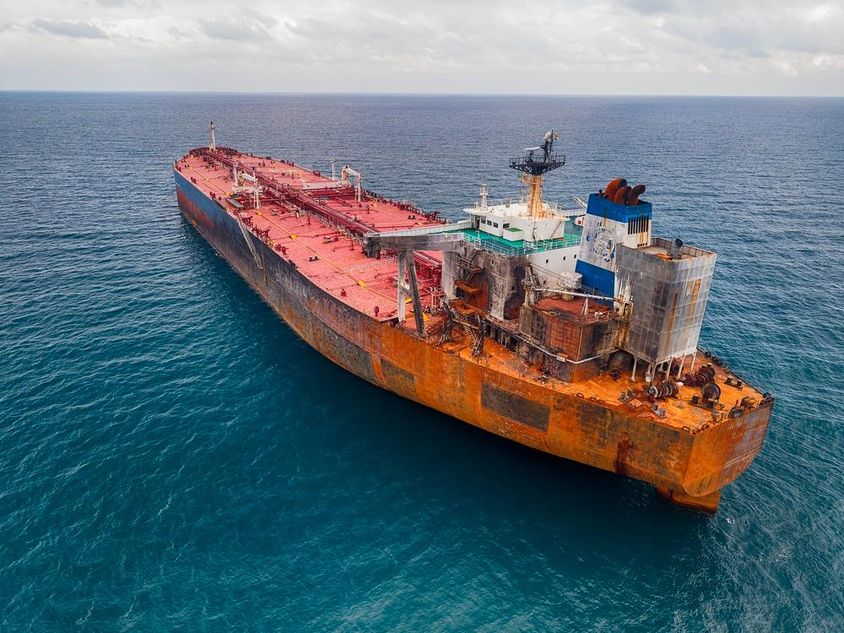
Latest data indicates that hundreds of tankers and other cargo ships are anchored in the Persian Gulf region following specific threats against their departure. This waiting is no coincidence: for shipowners and insurers, even one wrong decision could have serious financial and safety consequences.
It is also noteworthy that in the last 24 hours, not a single crude oil tanker has passed through the strait. This is an extremely unusual situation, showing the market players are opting to wait rather than risk. The near-complete standstill in movement is a strong signal to global markets.
Indian LPG Tankers: Cautious Return to Traffic
Despite the uncertainty, two LPG tankers under the Indian flag are ready to continue their journey. These ships are currently anchored near Sharjah, an important logistics hub in the region, and according to available data, they may set sail shortly.
This step is significant not only from a logistical but also from a political and economic standpoint. Intense background negotiations likely underpin the decision aimed at ensuring safe passage. That these ships are attempting the crossing can also be seen as a test: whether traffic can resume or paralysis will continue.
The Role of Diplomacy and Negotiations
In the current situation, diplomacy plays a key role. Leaders and foreign services of the affected countries are engaging in ongoing discussions to ensure the safe navigation of their ships. Some countries have managed to guarantee free passage through negotiations, indicating that despite the conflict, there are still functioning communication channels.
However, this does not represent a universal solution. For most market participants, risk remains high, and many prefer to wait until the situation becomes clearer.
Economic Impact: A Chain Reaction Could Start
The uncertainty surrounding the strait has an immediate impact on energy prices. Even the mere threat is enough to cause market reactions, as the potential narrowing of supply could lead to price increases. If the disruptions in shipments persist, it will affect not only the oil and gas markets but also global inflation.
Rising shipping costs, increased insurance premiums, and supply chain uncertainties all contribute to end-users feeling the effects. This is particularly true for countries heavily reliant on imported energy resources.
Dubai and the Region's Role in the Crisis
Logistical hubs in the region, including Dubai and the surrounding emirates, play a key role in managing the situation. The operations of ports, warehouses, and transshipment points determine how quickly the region can adapt to changing circumstances.
Dubai has long been a crucial point of global trade and is striving to maintain operational capability in the current situation. The development of infrastructure and quick reaction capabilities can help ensure the region does not come to a complete standstill.
What Might Happen in the Coming Days?
The coming days could be crucial. If the ships now preparing manage to pass through the strait successfully, it could boost confidence among other players, and traffic may gradually restart. However, should an incident occur, the crisis could deepen, resulting in even longer standstills.
Markets are now focusing on every move. Each ship's journey, diplomatic statement, or military event can immediately affect sentiments and prices.
Summary: Fragile Balance in a Key Region
The situation around the Strait of Hormuz exemplifies how vulnerable the global energy market is. The waiting of ships, the partial restart, and continuous diplomatic discussions all indicate that the system's balance is extremely fragile.
In the coming period, everything depends on whether safe passage can be maintained through this strategic route. Until this becomes evident, uncertainty remains paramount, and the global economy will continue to react sensitively to every development.
If you find any errors on this page, please let us know via email.


