Summer Car Safety in Extreme UAE Heat
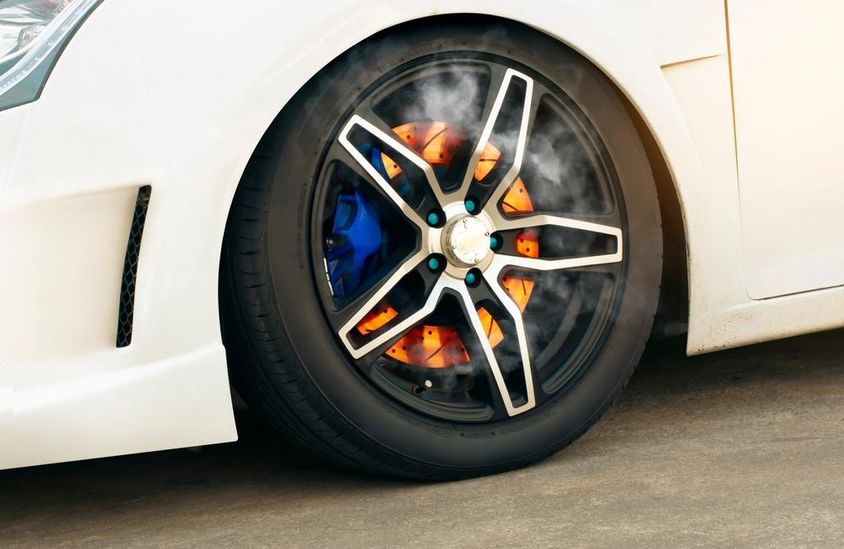
Close to 50 Degrees in UAE: Why Summer Car Care is Crucial
In the United Arab Emirates, the summer heat is not just an uncomfortable weather condition; it is a serious traffic safety factor. When temperatures approach 50 degrees Celsius, cars, tires, batteries, and objects left in the cabin are subjected to extreme stress. Recently, a temperature of 49.8 degrees Celsius was recorded in Abu Dhabi's Al Dhafra region, highlighting that the condition of vehicles cannot be a secondary concern during the summer months.
For this reason, Dubai police have once again warned motorists: it's not enough to just get into the car and start driving in the extreme heat. Regular vehicle inspections, tire condition checks, proper maintenance, and considering what items are left inside the car are all part of safe driving. In the summer months, faults emerge more quickly, and minor technical issues can rapidly develop into dangerous situations.
Heat tests both humans and cars
During the summer, UAE authorities regularly advise residents to drink plenty of fluids, avoid outdoor activities during the hottest hours, and be mindful of heat stress indicators. This same line of thinking applies to cars: vehicles are subjected to increased demands.
The engine, cooling system, electrical system, air conditioning, and tires all experience greater stress when the asphalt is nearly scorching. The air temperature is already very high by itself, but the road surface can be even hotter. This is particularly dangerous for old, worn, damaged, or expired tires, which can be much more easily damaged in the summer heat.
The condition of tires is not just a matter of comfort or maintenance. A blowout at high speed, tread separation, or sudden loss of pressure can lead to serious accidents. Therefore, during the summer months, it's especially important for drivers to check tire tread depth, sidewalls, manufacturing date, and pressure.
Why are poor-condition tires more dangerous in summer?
Tires are in constant contact with the hot road surface. At high speeds, during long highway journeys, or under heavy load, tires heat up even more. If a tire is already old, damaged, or runs at low pressure, its structure is put under much greater stress.
Many people only pay attention to their tires when they're visibly flat or when they experience vibration, pulling, or strange noises. In the summer, this may be too late. Due to the high temperatures, minor cracks, deformations, and previous damages quickly become serious problems. Expired or poor-condition tires may not seem dangerous at first glance, but in extreme heat, they don't behave the same way as under normal conditions.
Dubai police have specifically highlighted that authorities are paying increased attention to expired tires and vehicles that do not meet safety requirements. This is not merely an administrative issue. These inspections aim to reduce accidents caused by technical failures, particularly during the hot summer season.
Car fires: Not only engine failure can cause issues
In hot weather, it's not only tires that can pose a danger. Objects left in the car can also carry serious risks. Within a closed passenger compartment, the temperature can rise to extreme levels in a short time, especially if the car is parked in direct sunlight.
According to the authorities' warning, several items should not be left in the car during summer months. These include pressurized cans such as certain sprays and aerosol bottles. Power banks, batteries, and other energy storage devices can also be dangerous, as overheating can cause malfunctions, smoke, or even fire.
Particularly risky are hand sanitizers, perfumes, air fresheners, and deodorants, as some of these may contain flammable components. Gas canisters, lighters, and matches are obviously not suitable for a car that's heating up. These items may seem harmless under normal conditions, but on a 45-50 degree summer day, in a closed passenger space, they pose entirely different risks.
Unauthorized modifications also pose dangers
Dubai police have also warned drivers not to install unauthorized modifications or additions on vehicles. This is especially important for accessories related to the electrical system. Incorrectly wired extra lighting, inadequate quality electronic devices, aftermarket performance-boosting solutions, or faulty accessories can cause overheating, short circuits, malfunctions, or even fire.
Summer heat already places a heavy load on a car's electrical system. The air conditioning works continuously, the battery is subjected to higher demand, and the engine cooling plays a critical role. If unprofessional alterations are added to this, the potential for failure increases significantly.
Many install accessories in cars for aesthetic or comfort reasons, but according to authorities, these are only safe if they are authorized, of adequate quality, and professionally installed. During the summer months, any weak point becomes evident sooner.
Thousands of safety violations recorded
Traffic authorities recorded several thousand violations related to vehicle parts' safety in the first five months of the year. A total of 3,589 such cases were noted. Among these, drivers operated 1,737 vehicles that did not meet safety and security requirements. A further 1,026 cases involved vehicles that were not roadworthy, while 826 cases were related to expired tires.
These figures well demonstrate that the issue is not theoretical. Many cars on the road are in a condition that is not technically adequate. In the summer, this is particularly dangerous because the heat magnifies the consequences of faults. A worn-out tire, a weak battery, a neglected cooling system, or a malfunctioning electrical component can cause trouble more quickly in intense heat.
Regular checks can save lives
During the summer months, every driver should regularly inspect their vehicle. Tire pressure should not only be checked before long trips but regularly, ideally when they are cold. It's important to check the age, cracks, damages, and wear on the tires. If a tire sidewall is damaged, if an unusual bulge appears on it, or if the tread wears unevenly, it is not worth delaying replacement or professional inspection.
The condition of the engine oil, coolant, brakes, and battery also deserves special attention. A faulty air conditioning system is not only uncomfortable but can also degrade the driver's concentration, especially on long journeys. An overheating engine can easily lead to breakdowns, which is particularly dangerous on busy roads or highways.
It is also worth rethinking the items left inside the car. A power bank, perfume, air freshener, hand sanitizer, lighter, or any pressurized container should not be left inside a vehicle parked in the sun. These are better taken out or stored in a cooler, shaded place, but the safest solution is to not leave them in the car at all.
Summer driving is a matter of responsibility
Driving in the United Arab Emirates during the summer requires special attention. Modern roads, good infrastructure, and an advanced transportation system cannot replace the responsibility of drivers. The driver is always responsible for the condition of the vehicle, and during summer heat, this responsibility is even greater.
Dubai and other emirates continuously try to prevent accidents through campaigns, inspections, and warnings. The goal is not punishment, but for drivers to understand: heat is not just a nuisance, but a risk factor. A vehicle in poor condition, expired tires, or a flammable item left in the passenger space can easily lead to dangerous situations.
With temperatures nearing 50 degrees, vehicle maintenance is not a task to be delayed. Those who regularly check their car, pay attention to their tires, do not leave dangerous items in the cabin, and do not use unauthorized modifications not only protect themselves but other road users as well.
During the summer months, caution is not an exaggeration, but fundamental traffic culture. The safe condition of a vehicle, the quality of the tires, and a conscious driving attitude together provide the protection needed on the hot roads of the United Arab Emirates.
If you find any errors on this page, please let us know via email.


