Smartphone Alert Systems Revolutionize Global Safety
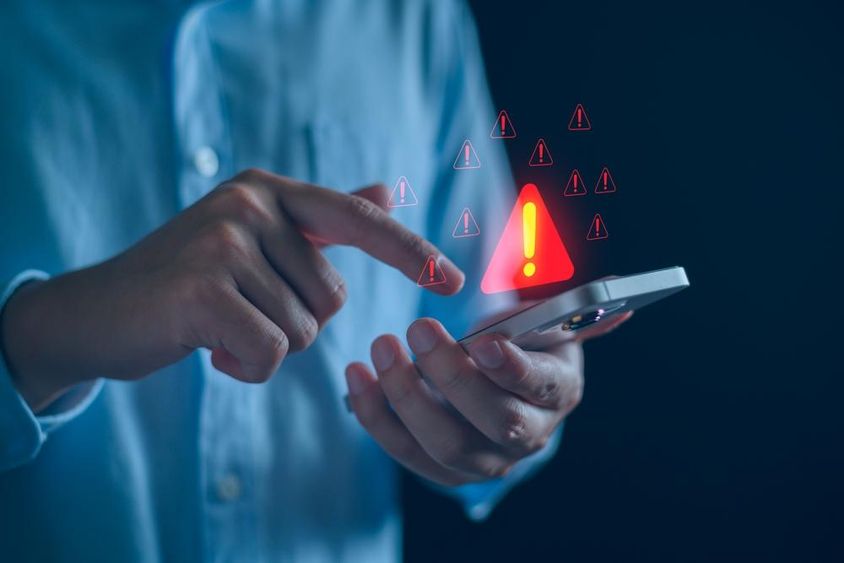
Emergency Alerts in Our Pockets: How Smartphone Warning Systems Are Revolutionizing Safety
In recent years, the importance of rapid and reliable communication during emergencies has been increasingly emphasized worldwide. Whether dealing with natural disasters, extreme weather, or other crisis situations, delivering timely information can literally save lives. This trend is being reinforced by the development of a system being widely tested in one country, where emergency alerts are sent directly to smartphones. The system's objective is simple yet crucial: to deliver necessary information immediately to everyone when it's most needed.
What does a mobile emergency alert mean in practice?
The essence of the technology is that a warning message automatically appears on the smartphone screen, which cannot be ignored. It's not a traditional SMS or app notification but a so-called cell broadcast message, which is delivered to all devices in a given area through the mobile network.
This solution is particularly effective because it doesn't require prior registration, an internet connection, or a separate app installation. If the phone is turned on and connected to the network, the message will be received. This represents a significant advancement over traditional alert methods, which are often slower or less reliable.
Why is testing important?
Before implementing the system, extensive testing is essential. During these tests, residents receive messages that might appear to be real alerts, which serves not to incite panic but to verify the technology’s operation. These messages clearly indicate that they are tests and emphasize that no action is required.
During testing, it often happens that the same message is received multiple times. This is not an error but part of the system's fine-tuning. The aim is to ensure accurate and prompt delivery of alerts under all possible circumstances.
Multilingual communication: key to effectiveness
One of the most important innovations is that the alerts appear in multiple languages. This is particularly important in countries with multilingual populations. Typically, the message is delivered in English and the local language relevant to the user's region.
This approach ensures the information is truly understandable for everyone. In an emergency, there is no time for misunderstandings or translations—the message must be clear immediately.
What does the “don’t panic” warning convey?
One of the key elements of the test messages is their reassuring tone. The messages specifically emphasize that there’s no cause for concern and that the public doesn’t need to take any action. This is crucial because an unexpected alert can easily cause panic, especially if people are unaware it’s a test.
The “don’t panic” message not only reassures but also educates. It helps people understand how the system works and prepares them for what to expect in a real situation.
How does this relate to global trends?
Smartphone alert systems are becoming increasingly widespread worldwide. Many countries have already implemented or are developing their systems, with the common goal of minimizing reaction times and maximizing reach.
Such technology is especially relevant in regions frequently affected by natural disasters, such as floods, earthquakes, or cyclones. However, it is also becoming increasingly important in modern urban environments, where quick communication is needed for any unexpected event—such as a traffic disruption or safety incident.
Lessons for other regions, including Dubai’s environment
Although the system is being tested in a specific country, its lessons can be useful globally. In rapidly developing, technologically advanced areas like Dubai and its surroundings, applying similar solutions is especially important.
In Dubai, high population density, tourism, and an international population make it crucial for emergency alerts to reach everyone quickly and clearly. Multilingual support and instantaneous delivery are fundamental requirements there as well.
Such systems not only increase safety but also bolster public trust. When people know they will be informed of every important detail in time, they feel safer in their daily lives.
The future direction: automated and intelligent alerts
In the future, even more advanced systems are expected. These will not only send general messages but also personalized alerts, considering the user’s exact location and the specific nature of the threat.
Automated systems may be capable of responding in real-time to events, like a sudden storm or traffic accident. Such solutions further enhance efficiency and reduce response time.
Summary
Testing smartphone emergency alerts clearly show that the world is moving towards faster, more efficient, and reliable communication. The introduction of such a system is not only a technological development but a strategic step to enhance public safety.
The “don’t panic” message reflects a complex, thoughtful system aiming to get the right information to the right place at the right time. This approach can become a cornerstone of modern urban life—not just in one country but globally.
In the future, such systems will increasingly become part of daily life and a natural component of how society responds to challenges. Security, speed, and reliability will remain at the forefront.
source: [source]
img_alt: alert, software notification
If you find any errors on this page, please let us know via email.


