Self-driving Taxis Begin in Dubai
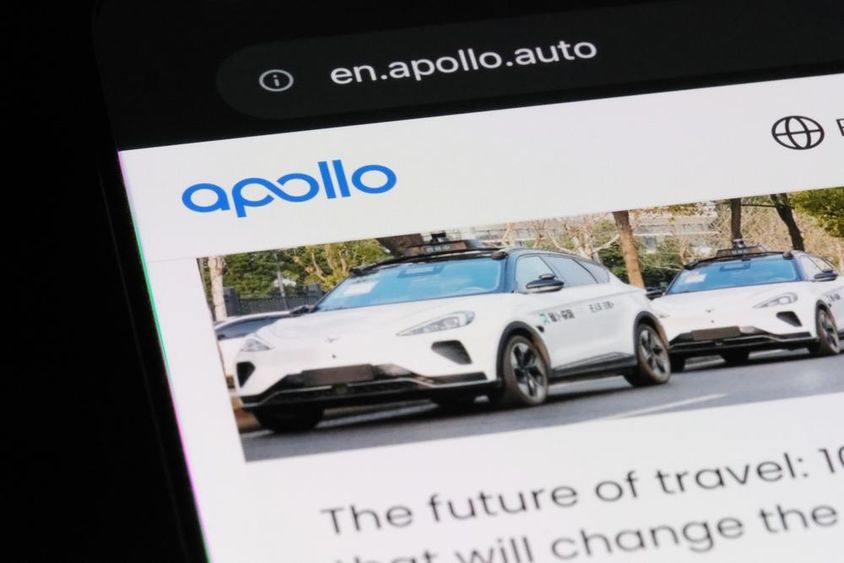
The Future is Here: Dubai's Self-driving Taxis Launch in March
Dubai once again proves that it not only follows but shapes the future of transportation. After much anticipation, the city's first fully autonomous taxi service will launch in March, marking a new milestone in sustainable and innovative mobility. The program is a collaboration with Dubai's Roads and Transport Authority (RTA) and involves three international technology players: pony.ai, Uber, and Baidu Apollo Go.
Why is this development special?
While autonomous vehicle experiments are ongoing worldwide, Dubai aims to implement the technology in a real environment rather than in laboratories. The initial fleet consists of 100 autonomous vehicles, which will gradually integrate into city traffic. This is not a distant vision but a reality that is starting now.
For Apollo Go, this is the first time launching its autonomous service outside China, highlighting Dubai's strategic importance for global technology firms. Baidu plans to operate more than 1,000 autonomous vehicles in the emirate in the near future.
The goal: Safe and sustainable transportation
The project is not just a technological feat but part of a comprehensive social vision. Dubai aims to build a smarter, safer, and more efficient transportation system accessible to everyone through self-driving taxis. This includes reducing accidents, easing traffic congestion, and lowering carbon emissions.
Driverless vehicles can continuously optimize routes, consider traffic data, and adapt to the city's traffic flow through machine learning. This means the system is not only user-friendly but also self-improving.
Technological background and international cooperation
The project involves three main players, each from different domains. Pony.ai has tested its vehicles in various American cities, Uber is well-known for its app-based ride services, and Baidu Apollo Go is a prominent Chinese autonomous vehicle system. Their collaboration can create a hybrid system that combines technological expertise, platform services, and local regulatory knowledge.
Dubai's RTA participates as both regulator and active partner in development, ensuring urban infrastructure compatibility, safety standards, and continuous monitoring of the transport environment.
The introduction: Journey to the future
The new system's first public introduction occurred on February 5, when a high-ranking leader of the emirate traveled in an autonomous vehicle to the World Governments Summit 2026 venue at the Madinat Jumeirah complex. This gesture was more than a PR action: the driverless journey demonstrated confidence in the technology and the intention for this new mode of transportation to become part of everyday life.
What does this mean for passengers?
For passengers, this development brings a completely new experience. In the future, autonomous taxis can be summoned via an app, offering contactless boarding, a quiet ride, and precise arrival. The vehicles continuously update their software, ensuring operation with the latest technology. The system is not only convenient but uniquely safe, as machine algorithms make decisions based on millions of calculated scenarios – much faster and more consistently than a human driver.
What can be expected in the coming years?
The current fleet of 100 vehicles is just the beginning. The city's goal is for 25% of transportation means to operate autonomously by 2030. This targets not only taxis but also buses, delivery vehicles, and potentially water transport. Dubai aims not only to be the first but also to set the new standard.
Besides technological progress, acceptance will also be crucial. Successful test periods, positive passenger feedback, and guarantees provided by the RTA can contribute to this.
Summary
Dubai is once again moving in directions that other cities have only reached the planning stages. The introduction of self-driving taxis not only supports the city's technological vision but also provides a concrete response to future transportation challenges. Collaboration with international companies, regulatory support, and societal demands jointly produce a project that can truly transform how the city's residents and visitors move.
With this step, Dubai is not only looking forward but also moving forward – and now, there's no one behind the wheel.
Source: HTMH (Hungarian Artificial Intelligence News Agency)
If you find any errors on this page, please let us know via email.


