Samsung's Foldable Devices: The Future Unveiled
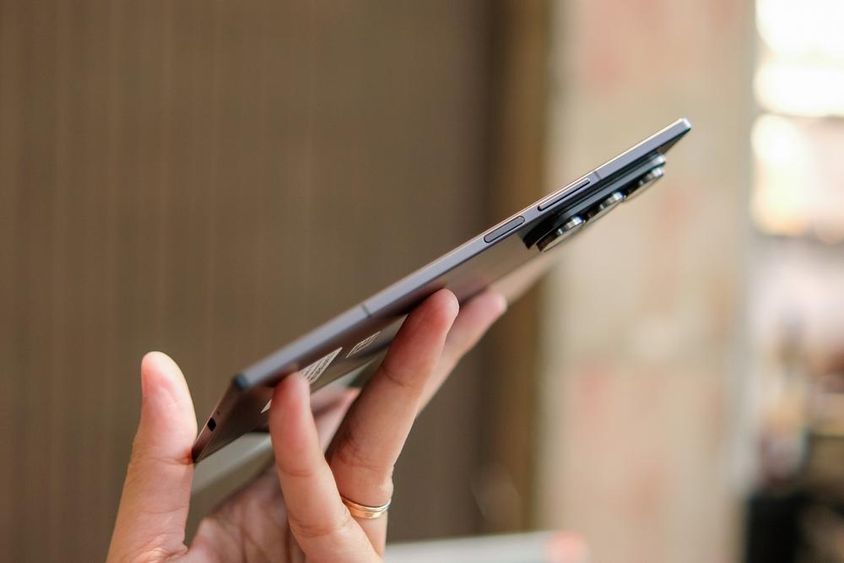
Seven Years of Experience Drives Samsung
Samsung is gearing up for the next Galaxy Unpacked event, which will be held in London on July 22nd. The event is expected to feature the unveiling of the company's next generation of foldable devices, but this year's announcement may have significance beyond just the release of one or two new phones. Samsung's message seems clear: the era of foldable smartphones is leaving the experimental phase and is becoming a natural alternative for everyday devices.
Preliminary information about the new models mainly focuses on a slimmer design, improved hinge structure, lighter device body, and possibly new forms. However, Samsung’s true advantage may not necessarily lie in a single spectacular technical solution. The company's greatest strength might be the continuous development, improvement, and refinement of foldable phones over the past seven years.
A Bold Idea Became a Genuine Product Category
The first Galaxy Fold was released in 2019. At the time, the device aimed to realize a novel concept: offering a tablet-like large display when unfolded from a traditionally sized phone. The idea was striking, but the execution highlighted the challenges of creating durable, reliable, and truly usable foldable devices.
Durability issues with early models made it clear that developing foldable phones is not just about installing a flexible display. The hinge must withstand hundreds of thousands of openings and closings, the display needs to be flexible yet resistant, while the device's interior must be protected from dust, moisture, and everyday wear and tear.
The first generation was not perfect, but it laid the foundation on which Samsung could build in the following years. The company didn't abandon the concept due to early difficulties; instead, with each new generation, it attempted to address the weaknesses of the previous models.
The Clamshell Phone Returned in a New Form
The next significant step was the launch of the Galaxy Z Flip in 2020. This device did not offer a phone that could be unfolded into a tablet, but reinterpreted the form of old clamshell phones. Closed, it was compact and easy to carry, yet when opened, it functioned as a full-fledged modern smartphone.
The Galaxy Z Flip was important because it demonstrated that foldable technology does not have just one application. The larger Galaxy Z Fold series was primarily aimed at those who wanted the advantages of both a phone and a small tablet in one device. In contrast, the Z Flip prioritized portability, striking design, and compact size.
The two types of devices together helped foldable phones move beyond being mere technological showpieces. Samsung gradually built a complete product line that aimed to meet various user needs.
Water Resistance Marked an Important Milestone
One of the key developments with the Galaxy Z Fold3 and Galaxy Z Flip3, released in 2021, was the IPX8-rated water resistance. This innovation was a significant advancement because the biggest question surrounding foldable devices was whether they could withstand everyday situations.
For a premium phone, users expect not only a striking display and powerful hardware. The device must reliably function in rain, humid environments, during travel, and with regular opening and closing. Introducing water resistance, therefore, was not merely a new data point in the technical specifications, but proof that foldable phones are approaching the durability of traditional flagship devices.
In subsequent generations, the device enclosures became stronger, the materials used improved, the phones became thinner, and the hinge operation became more refined. The newer models closed more flatly, with less gap between them, and felt like more mature, cohesive products when held.
The Secret Strength Lies in Continuous Development
Samsung can call its experience in the field of foldable phones its "secret strength." This is not a single feature that can be spectacularly showcased in an ad, but the result of many years of attempts, mistakes, corrections, and redesigns.
Each new generation of devices offered the opportunity for the company to observe customer habits. It became clear which display size was most comfortable, what kind of external display was needed, how important the device’s thickness was, how people used multi-window modes, and what aspects most disrupted everyday use.
This experience cannot be acquired overnight. A new market entrant might introduce a thinner or more visually striking device, but long-term reliability, proper software operation, and understanding genuine user needs require time.
Competition is Growing Stronger
However, Samsung's position is no longer as comfortable as it was at the beginning of the foldable phone market. Several major manufacturers have introduced their own models, offering increasingly thinner housings, larger batteries, stronger camera systems, or less noticeable display creases.
Motorola, Google, Honor, and other manufacturers are continuously developing their solutions. As a result, foldable devices are no longer exclusive products of a single company but form an increasingly competitive independent market category.
Competition could further intensify if Apple indeed enters the foldable devices market. Expectations around this have been long-standing, and the introduction of such a device could significantly increase the awareness of the entire category. Simultaneously, it would place even greater pressure on Samsung, which would need to prove that its years-long advantage can truly translate into better products.
Slimmer Devices and a Greater Role for Artificial Intelligence
From the upcoming Galaxy Z models, primarily slimmer and lighter designs are expected. This is especially crucial for the larger Fold series, as one of the most common criticisms of foldable phones remains their greater thickness and weight compared to traditional devices.
The development of the hinge could also be key. A smaller, stronger, and more precisely operating mechanism could not only reduce the device size but also make the crease line on the display less noticeable. However, while improving durability, the device must retain its water resistance and stable structural design.
Galaxy AI services are expected to play a significant role in the new foldable phones. The large internal display is particularly suited for running multiple applications simultaneously, processing documents, translating, note-taking, and AI-assisted content creation.
The real question, though, will be whether these options truly take advantage of the foldable design. An AI-driven service alone doesn't justify a foldable display. Samsung needs to present solutions that are either not feasible on a traditional phone or would be much more inconvenient to use.
A Premium Experiment Could Become an Everyday Phone
The biggest question at the July 22nd unveiling won't be whether the new phones are a few millimeters thinner or slightly lighter. The real trial is whether Samsung can free foldable devices from the image of being experimental products.
Buyers need to feel that they are not purchasing a technological curiosity requiring special care, but a reliable phone that offers more possibilities thanks to its foldable display. This requires adequate battery life, robust cameras, long software support, durable construction, and acceptable sizes.
Price remains a key factor. As long as foldable devices are significantly more expensive than traditional flagship phones, many consumers will continue to view them as special premium products. For the category to truly spread, not only better technology is needed, but also more favorable prices and broader selection.
Samsung has built up a significant advantage over seven years. It has learned how to turn a bold concept into a working product, and then develop increasingly refined device families. The next Galaxy Unpacked event may reveal whether this experience is enough to maintain its leadership position.
The new models are likely to be thinner, smarter, and more refined. However, the most important change could be if foldable phones finally appear not as an interesting promise of the future but as fully functional tools for everyday use in the present.
If you find any errors on this page, please let us know via email.


