Ramadan 2026: UAE's Smart Shopping Revolution
Ramadan 2026 in UAE: Price Freeze, Promotions, and Smart Shopping – How Families and Shops Prepare
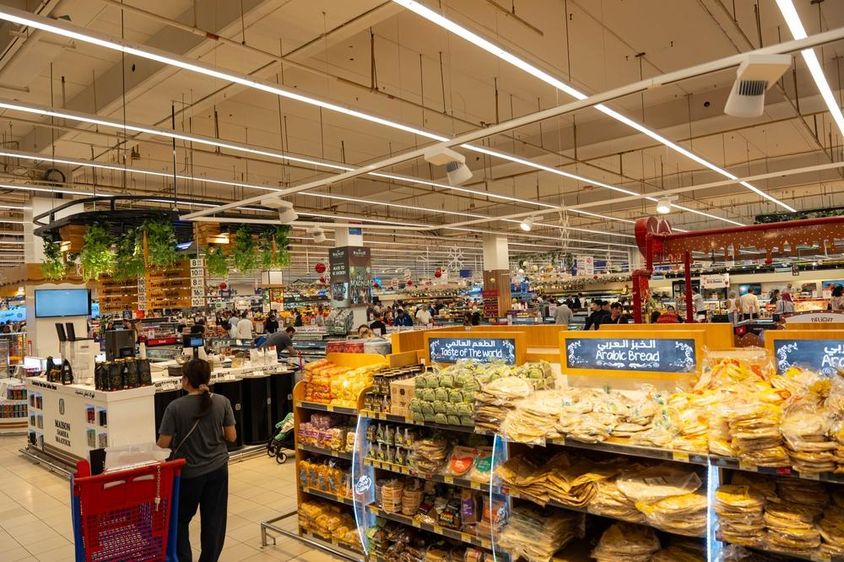
As Ramadan approaches, residents of the United Arab Emirates begin preparations weeks before the official moon sighting. Products related to the month start appearing on supermarket and hypermarket shelves from early February, with stores launching promotional campaigns and price guarantees to ease the cost burden on families. Ramadan is one of the most significant periods in the Muslim world – both spiritually and economically.
Price Freeze on Essential Products
The UAE Ministry of Economy has already announced that the prices of nine basic food items will not increase during Ramadan 2026. This ensures that essential goods – such as rice, sugar, oil, flour, eggs, poultry, and dates – remain accessible to everyone. Union Coop has also announced that the prices of over 160 products will be frozen throughout the holy month, while discounts of up to 60% are offered on an additional 3,000 food and non-food items.
This measure is not merely a standard market promotion but part of the country's "Year of the Family" initiative, aimed at reducing living costs and supporting communities. Locally-produced products play a crucial role, with over 6,000 domestically-made goods available on the shelves, their prices regularly reviewed based on demand.
Five-Month Preparation – The Key to Stability
Ramadan doesn't arrive unexpectedly: foresighted retail chains begin stockpiling and negotiating prices up to five months in advance. This enables prices to remain stable throughout the month, with many promotions available as well. Long-term planning also provides a logistical advantage, allowing suppliers to meet extraordinary quantity demands more stably and accurately.
Some retail chains give special attention to the targeted setup of promotions. For instance, over 500 priority items are on the promotional list, with discounts reaching even 70%. These include cooking oil, flour, rice, milk, long-lasting milk, traditional syrups, and other Ramadan-related foods.
Predictable and Smart Consumer Behavior
The shopping wave doesn't hit all at once: three months before Ramadan, residents primarily stockpile durable goods with a long shelf life – such as rice, sugar, and canned goods. As the month approaches, especially in the last week and final two to three days, demand for fresh products, dairy, vegetables, bakery items, and meat surges dramatically.
Bulk shopping is increasingly becoming a strategic decision. More families opt to buy in packages or large volumes to maximize savings. Promotional packages are particularly popular, as they offer even more favorable unit prices in large quantities.
Procurement: Diversification and Safety Stock
Stores don't leave things to chance: they widen their supplier networks not only in quantity but also in source. Relying on a single origin carries price risks and potential stock shortages, so contracts are made with suppliers from different countries months before Ramadan. This practice ensures price stability and continuous stock availability.
Significant buffer stocks are stored for fast-moving products as well. This is especially important during periods when the shopping fervor peaks, such as towards the end of the month when paydays arrive.
Consumption and Charity – The Spirit of Ramadan
The increased shopping is not only about meeting personal household needs. Ramadan is also a time for charity: many families cook not just for themselves but also share meals with neighbors and those in need. This social solidarity is part of the essence of the celebration, and the increased consumption often has deeper community values behind it.
Promotions also encourage conscious shopping decisions: many buy more of those items genuinely useful in daily life. Yet, sometimes promotional labels lead to purchases that might not otherwise occur – a part of the festive hustle.
Ramadan as an Economic and Social Engine
In the UAE, Ramadan is not just a religious event but a logistical and economic challenge that retail chains manage more expertly. The freezing of prices, promotions, stockpiling, and monitoring consumer habits collectively ensure that the month passes in peace and dignity – without households facing financial difficulties.
The price freeze, promotions, and foresighted planning not only aid the population but contribute to the overall stability of the market. Thus, Ramadan 2026 will be a well-prepared, conscious period in both spiritual and economic terms in the United Arab Emirates.
If you find any errors on this page, please let us know via email.