Ramadan 2026: UAE Tackles Food Price Hikes
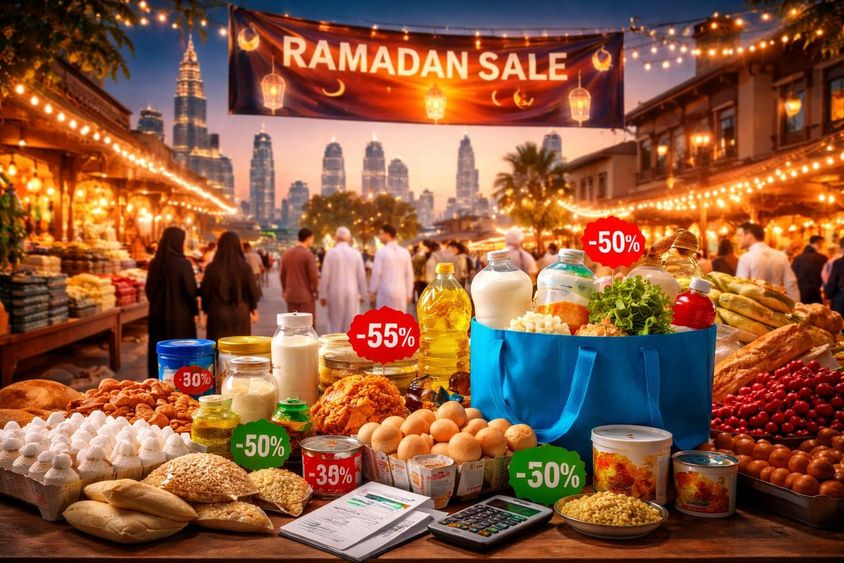
Ramadan 2026: Food Price Monitoring in the UAE – Strict Penalties for Violators
In the United Arab Emirates, the month of Ramadan traditionally signifies not only a time for spiritual reflection and fasting but also a period of increased food consumption, especially during the evening Iftar meal. Consequently, every year sees a surge in demand for essential food items, which some traders have previously exploited with unjustified price hikes. However, in 2026, the UAE Ministry of Economy is strictly curbing this with an ongoing campaign to monitor the prices of basic foodstuffs.
Nine Essential Products Under Scrutiny
The ministry has indicated that it will not allow any price increases for essential foods during Ramadan. These include cooking oil, eggs, dairy products, rice, sugar, poultry, legumes, bread, and wheat. These items play an important role in households across the Emirates, particularly during the festive period.
The ministry emphasized that any price increase must be pre-approved, and traders are required to wait a minimum of six months between consecutive price hikes – a rule that has been in effect since last year.
Digital Surveillance to Combat Speculation
One of the most important innovations has been the introduction of a digital platform that allows for daily tracking of the prices of the nine mentioned products. This not only aids government oversight but also assures consumers they are not paying unfairly high prices.
Over the past year, more than 3,000 complaints were received through this digital channel, with over 90 percent being resolved. This demonstrates that the system is effective and that consumers actively use the opportunity to provide feedback on observed abuses.
Significant Fines for Violators
The inspections are not merely symbolic; traders who breach the regulations face substantial fines. In milder cases, they receive a written warning and a deadline to correct the issue. In the event of repeated or severe violations, fines can reach up to 100,000 dirhams. The minimum fine is 500 dirhams, but sanctions always correspond to the severity of the offense.
The ministry's goal is not punishment but ensuring price stability and achieving fair access to everyday food staples for all residents, especially during such a spiritually important period as Ramadan.
Promoting Consumer Awareness
The state authority explicitly encourages residents to be conscious shoppers. This includes requesting receipts, comparing purchases with previous ones, and contacting the ministry's hotline (800 1222) or using digital platforms in case of discrepancies.
Residents are encouraged not to passively endure potential abuses but to actively participate in maintaining transparency.
Nationwide Ramadan Promotions
Meanwhile, commercial chains have launched massive Ramadan campaigns, with discounts up to 70 percent. Some items are available from as low as 1 dirham, ensuring that the population can shop at not only stable but often exceptionally favorable prices.
Abu Dhabi's renowned chain, ADCOOP, has allocated 20 million dirhams for Ramadan promotions. They offer more than 4,000 products at reduced prices, with the prices of 1,500 essential items also lowered. Additionally, they distribute 30,000 free Iftar meals and market 12,000 ready-made Ramadan packages priced between 99 and 149 dirhams.
Al Maya Supermarkets have also announced significant discounts, with price reductions of 25-40 percent in certain product categories. The Ramadan promotion covers over 300 products, including essential foods, beverages, and household items.
Daily Price Monitoring – Prevention and Quick Action
The ministry not only organizes campaigns but also continuously analyzes prices. The prices of the nine basic products are monitored daily, and quick intervention is employed if an unjustified rise is detected. The aim is to return prices to normal levels, preventing artificially inflated price waves.
During the month of Ramadan, this is particularly important as many families increase their purchases – not just for festive meals but also to distribute food to those in need or entertain family and friends.
Conclusion
Thus, during Ramadan 2026, the UAE will not only focus on spiritual purification but also on strict food price oversight. Through firm ministry action and the introduction of new digital tools, residents can access essential products at fair prices. Traders, through exemplary conduct and significant campaigns, contribute to societal welfare and a fitting celebration of the festive mood.
Anyone residing in the UAE during this period can rest assured: the state guarantees that Ramadan will not become a time of price inflation. Those who experience abuses can easily report them – because justice, transparency, and cooperation truly make this period festive.
If you find any errors on this page, please let us know via email.


