Rain, Wind, and Cooling Sweep Dubai
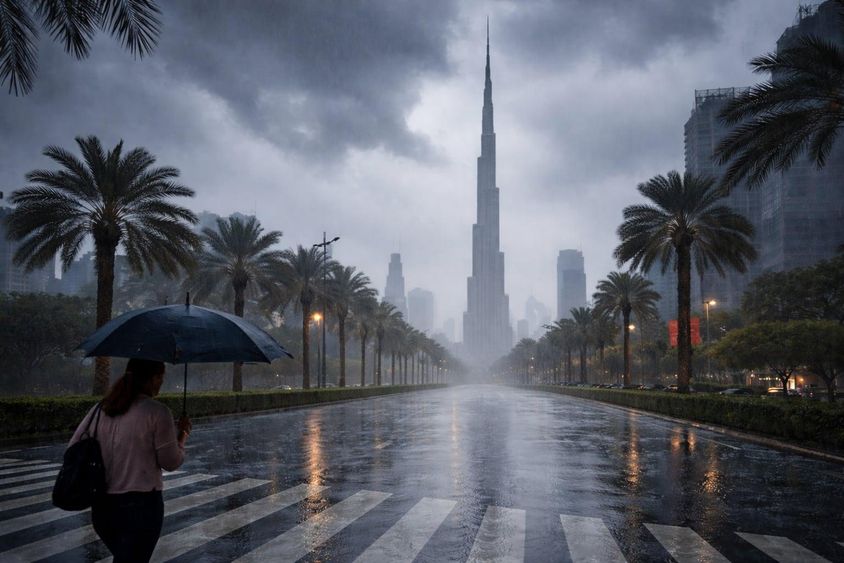
Changeable Weather in the UAE: Rain, Wind, and Cooling in Dubai
The weather in the United Arab Emirates is often associated with scorching sunshine and a stable, dry climate. However, the recent period has again highlighted that the region's weather is far from predictable. According to the latest forecasts, rain, strengthening winds, and a drop in temperature can be expected in several parts of the country, which could significantly impact daily life in Dubai.
Unusual Rainfall in the Desert Region
Rainfall in the UAE is always considered a special event, as the annual average rainfall is low. Therefore, any period when showers or thunderstorms develop is not just a meteorological curiosity but also a factor that significantly affects daily life.
Current forecasts suggest that convective clouds could develop in several parts of the country, bringing scattered showers. These clouds develop rapidly, resulting in intense precipitation and possibly storms with lightning. This is particularly important for Dubai, as the city's infrastructure is not fundamentally optimized for frequent rainfalls.
Noticeable Cooling in Dubai
Temperature developments are also noteworthy. In Dubai, nighttime minimums can drop to as low as 21 °C, while daytime highs hover around 26 °C. This change may not initially seem drastic, but it represents a significant difference compared to the usual warmth.
The cooler weather will be felt especially in the evening and early morning hours, when humidity may also increase. This combination creates a more pleasant environment for many, yet it raises the risk of respiratory issues and allergic reactions.
Wind and Dust: The Invisible Risk
One of the most important factors during this period is not even the rain but the wind. Forecasts indicate that winds will blow from the northeast and southeast, generally with weak or moderate strength, but occasionally with strong gusts.
Wind gusts could reach speeds of up to 45 km/h, enough to lift dust and sand. This is not only unpleasant but can be particularly dangerous, especially in traffic. Reduced visibility can quickly worsen driving conditions, increasing the risk of accidents.
Dust storms pose a problem not only on the roads but also impact health. Fine particles suspended in the air can irritate the eyes, throat, and exacerbate asthma or allergic symptoms.
Yellow Alert: Multiple Dangers at Once
Authorities have issued a yellow alert, warning of various weather phenomena simultaneously. These include the presence of dust and sand in the air, thunderstorms, and the rapid formation of cumulus clouds.
This combination can be particularly dangerous as the weather can change dramatically within a short period. A sunny morning can be replaced within minutes by strong winds, dense dust, or heavy rain. It's hard to prepare for such rapid changes, so residents and drivers must constantly check for fresh forecasts.
Sea Conditions and Coastal Impacts
The weather affects not only the land but also the sea. In the region of the Arabian Gulf and the Oman Sea, the water state can vary from moderate to occasionally very wavy.
This is particularly important for those planning water activities or dealing with shipping. Changing wind conditions can quickly alter sea conditions, making the use of smaller boats and watercraft dangerous.
How is Dubai Responding to the Changing Weather?
In recent years, Dubai has taken significant steps to better manage more extreme weather conditions. Infrastructure development, the expansion of drainage systems, and digital forecasting systems all contribute to the city responding faster and more effectively.
Nevertheless, these periods still pose challenges. Water may collect on some road sections, traffic may slow down, and daily routines may be disrupted. Residents are increasingly preparing consciously for these events, whether through car checks or protecting the home environment.
What Does This Mean in Daily Life?
Such weather conditions highlight how important adaptability is, even in a modern and developed city. For Dubai's residents, it means keeping an eye on current warnings and adjusting their daily plans if necessary.
Drivers, in particular, should check their vehicles' condition, including brakes and tires. For pedestrians, it's important to prepare for sudden weather changes, such as with appropriate clothing or alternative transportation options.
A New Reality of Weather
The weather in the UAE increasingly shows that the stable patterns of previous years are changing. The increased frequency of rain, stronger winds, and temperature fluctuations all suggest that the region's climate is becoming more dynamic.
Dubai aims to maintain its functionality and stability in this environment as well, but the role of residents is crucial. Adaptation, awareness, and precaution are increasingly becoming part of everyday life.
The weather in the coming days is not just a temporary change but part of a trend that could shape the region's life in the longer term. Dubai remains an example of modern urban operation, but in an environment where the weather is increasingly rewriting the usual rules.
If you find any errors on this page, please let us know via email.


