Preserving Identity: UAE's Vision for 2025
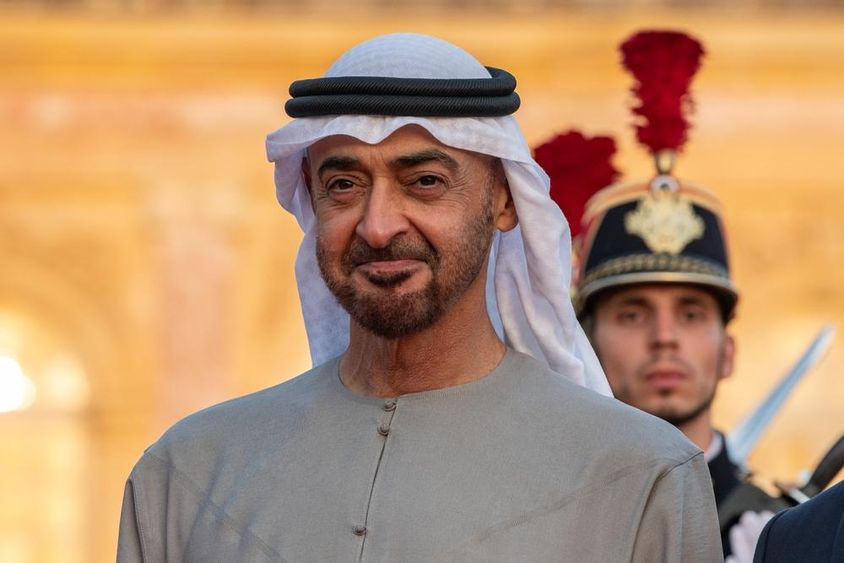
Eid Al Etihad 2025: Preserving National Identity and the Arabic Language as Key to UAE's Future
Every year on December 2nd, the United Arab Emirates celebrates Eid Al Etihad, a day that goes beyond the mere commemoration of the federation's founding. It is a profound moment that defines identity and offers a vision for the future. In 2025, this day holds particular significance as the country marks its 54th national anniversary. This year's celebratory address focused on the values of identity, community, education, and youth empowerment—foundations that bolster not only the present but also the future.
Preserving the Arabic Language and National Values
The celebration prominently emphasized the protection of the Arabic language and national identity. According to UAE leadership, modern technological and scientific advancements should not exclude the nurturing of traditional cultural values and language. Social progress can only be sustainable if we remain true to our roots. The Arabic language is not just a tool for communication but a bearer of identity, conveying historical past and cultural heritage.
Young generations must be taught that they can be active participants in the global world while being committed guardians of local values. This duality ensures the country's future stability, dignity, and uniqueness. The leadership called upon educational, cultural, and social institutions to make moral education and the strengthening of national identity their primary tasks.
Vision of Person-Centered Development
The development strategy of the United Arab Emirates has always been centered on people. The country's citizens are not only the subjects of development but also active shapers of it. The speech delivered during Eid Al Etihad reinforced this principle: the future can be achieved through the involvement of people, empowerment of citizens, and nurturing of talent.
To this end, the country continues to develop the skills of Emirati citizens, especially among the youth, to actively contribute to the long-term success in both government and private sectors. The goal is for every citizen to feel they are part of the nation's success story.
The Year of Community and the Role of Family
The year 2025 has been officially designated as the Year of Community, while 2026 will be called the Year of the Family. This decision reflects the UAE's perspective that social cohesion and family unity are not just social but also national security issues. The family is defined as the society's first line of defense, protecting its members from foreign values and social disintegration.
The family is the "first school of socialization," as the president phrased it, where children learn respect, moral principles, and cultural traditions. Thus, strengthening families, increasing fertility rates, and expanding social support systems have become pivotal goals.
The Shaping Role of Education and Science
In building the future, education and youth support play a key role. The United Arab Emirates remains committed to developing its educational system, based on strengthening human capital, supporting scientific research, nurturing talent, and promoting lifelong learning.
The country's goal is to represent the highest global standards, particularly in artificial intelligence, sustainable technologies, and knowledge-based economy. Young people are encouraged to responsibly embrace opportunities provided by new technologies, especially in areas that align with national priorities.
Sustainability and Environmental Protection
The principle of sustainable development is deeply embedded in the UAE's vision for the future. Environmental protection, conservation of natural resources, and achieving climate neutrality by 2050 are aims for which the country is building international partnerships. The celebratory speech also affirmed that sustainability is not just a green program but an economic and social strategy.
The transformation of the energy sector, investments in renewable resources, and technological innovations all serve the purpose of the country developing in an environmentally exemplary manner.
International Cooperation and Openness
The United Arab Emirates is ambitious not only in its internal development but also on the international stage. The country's goal is to contribute to global peace, stability, and prosperity, favoring dialogue and diplomacy to resolve conflicts. Additionally, it remains open to everyone contributing to its development, regardless of nationality or religion.
This openness also means accepting cultural diversity and respecting laws. To preserve social cohesion, it is crucial that everyone living here feels part of the country while accepting and respecting its core values.
Conclusion
The message of Eid Al Etihad 2025 is clear: the future of the United Arab Emirates lies in strengthening national identity, supporting family and community, developing education, and achieving sustainable development. The country's leadership seeks a balance between modernization and traditions, technological progress and the protection of cultural heritage.
As emphasized in the speech, a nation that loses its identity loses both its past and future. However, a nation that maintains its roots and looks openly to the world will remain successful in the long term. Eid Al Etihad is not just a time for celebration but a renewal of national commitment—a shared responsibility for us all.
(Source of the article: Speech by Sheikh Mohamed bin Zayed Al Nahyan.)
If you find any errors on this page, please let us know via email.


