Pakistani Rupee Surges: New Economic Hope
The Strengthening of the Pakistani Rupee: A New Hope for the Economy
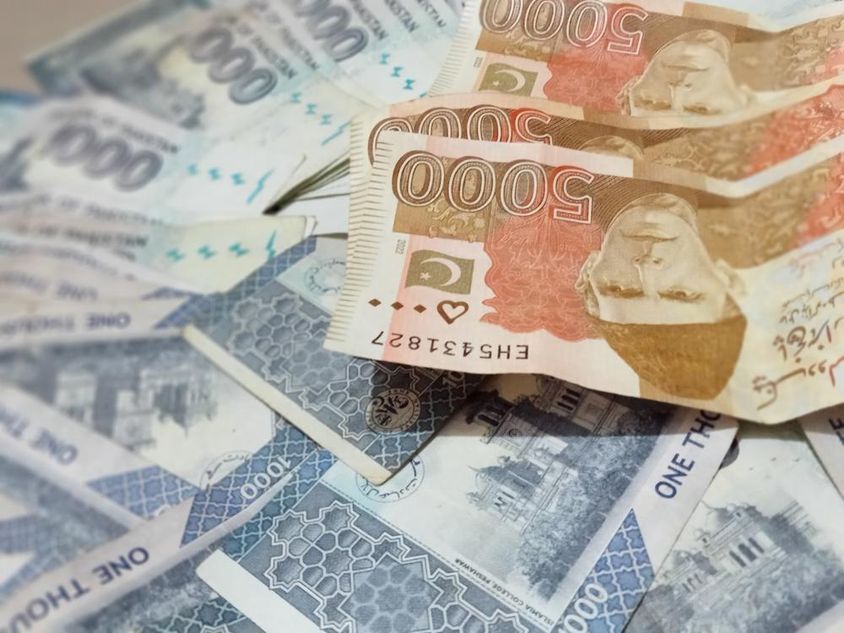
The Pakistani rupee has recently surged to a nearly two-year high against the US dollar and the Emirati dirham, garnering significant attention in the financial markets. The currency of the South Asian country is showing stability after a long period, which has caught the attention of investors and analysts. Although the economic environment remains fragile, the combined effect of several factors is improving the market outlook.
The strengthening of the rupee could be particularly important for those regularly sending money home through family members working in the United Arab Emirates, as well as businesses with trade relations between Dubai and Pakistan. The currency stabilization not only has a psychological impact on markets but directly affects import costs, inflation, and the country's external debt burden.
What's Behind the Rupee's Strengthening?
Financial analysts attribute the rupee's performance primarily to an improving external economic environment. The country's current account showed a surplus in the first months of the year, easing pressure on foreign exchange reserves. This is especially crucial for a country significantly dependent on energy imports and foreign financing.
Investor confidence was further boosted as Pakistan re-entered the Eurobond market after more than four years. This indicates that international financial players are once again willing to provide resources for the country. Additionally, Middle Eastern support plays a stabilizing role in the economy, especially in maintaining foreign exchange reserves.
The rupee's exchange rate neared a historic level at the beginning of the week when it strengthened to about 75.5 against the Emirati dirham. After a minor correction, the rate remained strong, indicating that the market currently does not expect a drastic weakening.
Oil Prices Remain a Critical Factor
Pakistan's economy is highly sensitive to international oil price fluctuations. As the country imports a significant amount of energy commodities, any major increase in oil prices directly raises the import bill and weakens the local currency.
On international markets, the price of oil remains volatile. Brent's price per barrel has risen again, as geopolitical tensions and the uncertainty of the Middle Eastern situation cause concern among investors. If a permanent agreement is reached between the United States and Iran, it could bring about a significant decrease in oil prices, which would greatly benefit Pakistan.
Lower energy prices would reduce the country's demand for foreign currency, which could further strengthen the rupee. Such a scenario would be particularly favorable for Pakistani workers employed in Dubai and other Gulf countries, as the purchasing power of the amounts sent home could improve.
Inflation Remains a Serious Threat
Although the performance of the rupee has improved, high inflation continues to pose a significant problem. Food prices, energy, and daily consumer goods costs have been pressuring the population for a long time. The central bank finds it difficult to balance the fight against inflation and stimulating economic growth.
Too high interest rates can restrain the economy, but low rates can quickly lead to currency depreciation. For this reason, policymakers pursue an extremely cautious policy.
Inflation is dangerous because it undermines currency stability in the long run. If prices rise faster than the economy's performance, the rupee could return to a weakening trajectory.
Remittances Play a Crucial Role
For Pakistan, remittances from citizens working abroad are of paramount importance. The United Arab Emirates, especially Dubai, has been one of the most important destinations for Pakistani workers for decades. The money arriving from here supports the country's economy on a billion-dollar scale.
Remittances provide a stable source of foreign exchange, helping to maintain balance in the current account. If these money flows remain strong, it can significantly support the rupee.
Financial analysts point out that one of the most important pillars of the current stability is precisely that foreign workers continue to send substantial amounts home. This is especially true for remittances coming from the Gulf region.
What Can the Market Expect in 2026?
Most analysts do not anticipate dramatic strengthening of the rupee, nor do they deem a significant weakening likely in the short term. The base scenario projects a more stable, moderately moving exchange rate.
Positive factors include international financial support, progress in the IMF program, an improving current account balance, and the return of external investor confidence. All these contribute to the rupee maintaining its current position.
However, several risk sources remain. Another geopolitical crisis, escalation of Middle Eastern conflicts, or persistently high oil prices could again pressure the Pakistani currency.
A global economic slowdown could also negatively impact the country's exports and the situation of foreign workers. If remittances decrease, it would quickly be felt in the currency market as well.
Why is Dubai Watching?
Dubai's economy is extremely international, with a significant Pakistani community residing in the emirate. Changes in the rupee's exchange rate directly affect remittances, real estate purchases, and consumer habits.
When the Pakistani currency strengthens, it increases the financial stability of foreign workers. This can benefit Dubai's trading sector, real estate market, and financial services.
In recent years, more and more South Asian investors have entered the Dubai real estate market, making regional currency movements important not only for financial but also business aspects.
A Fragile Balance Has Emerged
The current stability of the Pakistani rupee is much more due to improving external financing conditions than to a strong internal economic upswing. The country remains vulnerable to energy prices, geopolitical events, and changes in the international financial climate.
However, the current period might represent an important turning point. If foreign exchange reserves can be maintained, inflation kept in check, and stable external support ensured, the rupee could find itself on a stronger trajectory in the long run.
Nonetheless, the market remains extremely cautious. A single major external shock could be enough to pressure the South Asian country's currency. The coming months will therefore be crucial not only for Pakistan but also for the financial stability of the entire region.
If you find any errors on this page, please let us know via email.