Oil Prices Surge Amid Global Geopolitical Tensions
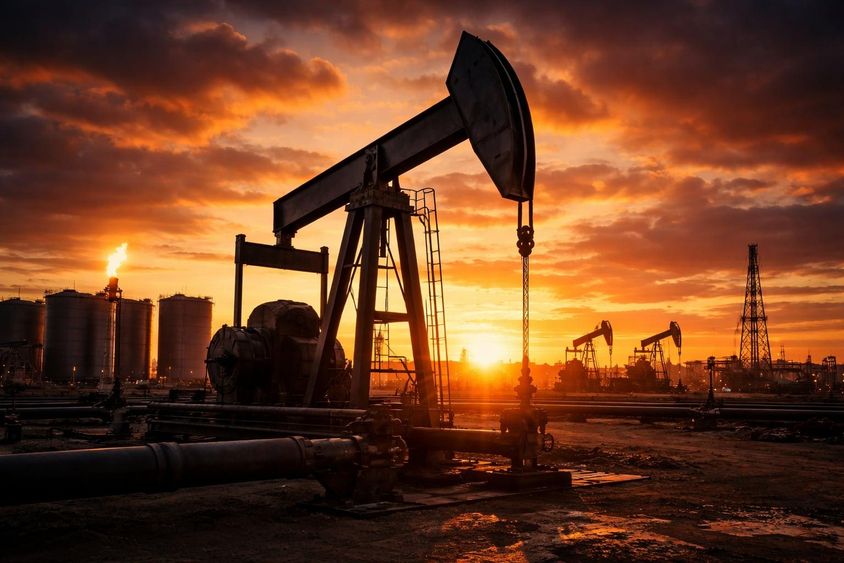
The Oil Market's New Turn: Significant Price Increase Amid Geopolitical Tensions
Energy policy and geopolitical events are closely intertwined with the functioning of the global economy. When tensions rise in certain regions of the world, their impact almost immediately appears in the raw materials markets. In recent days, the price of oil has shown a spectacular increase, drawing attention once again to how sensitive global energy supply is to political and military developments.
The American benchmark oil price has risen by more than ten percent in a single day, which is considered an extremely significant movement in the energy market. Investors and traders alike fear that the situation developing in the Middle East could disrupt oil supply in the long term, leading to tighter supply and higher prices.
Why does the oil market react so quickly?
Oil is one of the most important strategic raw materials in the world. A significant part of the global economy still relies on fossil fuels, so any risk to supply triggers an immediate market reaction. If traders feel that transportation, production, or export could be jeopardized, prices start to rise rapidly.
In the current situation, investors fear that the widening conflict in the Middle East could affect oil transportation routes. The region is one of the world's most important oil producing and exporting areas, so any uncertainty is immediately reflected in prices.
In financial markets, a "risk premium" is often built into prices at such times. This means that investors are accounting for potential supply problems in advance and are willing to pay higher prices for future deliveries.
Crude Oil Prices Hit Two-Year High
Among the international reference prices, one of the most well-known is the American West Texas Intermediate, whose price rose by more than ten percent in a single day. This type of oil is a fundamental benchmark in the American market and also plays an important role in global trade.
Another significant reference is the Brent type North Sea oil, which serves as the basis for pricing in many parts of the world. Its price also showed a significant increase, reaching a nearly two-year high. Such growth is rare and is generally linked to serious geopolitical or economic events.
According to energy policy analysts, the market is currently very sensitive to any news related to the stability of the Middle East region. Even the possibility of a minor escalation is enough for traders to quickly change positions.
The Strategic Significance of the Middle East
Middle Eastern countries form one of the most important centers of global oil production. A significant part of the world's proven oil reserves is located in this region, and a large portion of the extracted quantity reaches international markets from here.
Marine transportation plays a particularly crucial role. A significant part of the oil departing from the region passes through straits and sea routes that are critical points for global trade. If these routes are endangered for any reason, it has an immediate impact on prices.
Many countries, including the United Arab Emirates, have significant energy infrastructure that ensures export and trade. The stable operation of such systems is crucial for the global market.
What Does This Mean for the Everyday Economy?
The rise in oil prices affects not only the energy market. Oil is a fundamental raw material for many industries, so the price increase rapidly spreads to other economic areas.
Transportation, logistics, and aviation are particularly sensitive to changes in fuel prices. When oil becomes more expensive, plane tickets, shipping costs, and freight charges can also rise.
This can trigger a chain reaction in global trade. Higher shipping costs may ultimately appear in consumer prices, causing inflationary pressure on economies.
The Reaction of Investors
During times of energy policy tensions, investors often turn to assets perceived as safer. Oil then takes on a role not only as an energy source but also as an investment asset.
Large financial institutions and investment funds quickly respond to geopolitical developments. If they see that supply could be threatened, they increase their exposure to the oil market.
This can further strengthen the rise in prices, as demand increases not only due to energy consumption but also for investment reasons.
The Economic Hubs of the Middle East and the Energy Industry
The economic hubs of the region, including the major cities of the United Arab Emirates, play a significant role in energy policy and trade processes. The region's modern ports, logistics systems, and financial centers ensure part of the global functioning of the energy industry.
Dubai, for example, is not only a tourist and financial center but also an important commercial hub. The city's infrastructure allows global energy and commodities market players to respond quickly to changing situations.
The stable operation of such hubs is crucial for the global economy, especially during times when geopolitical tensions increase.
What Can Be Expected in the Future?
The future of the oil market largely depends on how the geopolitical situation evolves in the coming weeks. If tensions continue to increase, prices could rise to even higher levels.
However, according to energy policy analysts, the market often overreacts to initial news. If the situation stabilizes, prices may eventually return to a more balanced level.
In the coming period, investors, energy companies, and governments will all closely monitor developments. The price of oil is important not only for the energy sector but also affects the functioning of the entire global economy.
The current price increase serves as a reminder of how closely energy supply security and geopolitical stability are connected. As long as a significant part of the world still relies on fossil fuels, the oil market will remain sensitive to any event that could affect production or transportation.
If you find any errors on this page, please let us know via email.


