New Flexible Rebooking for UAE-India Flights
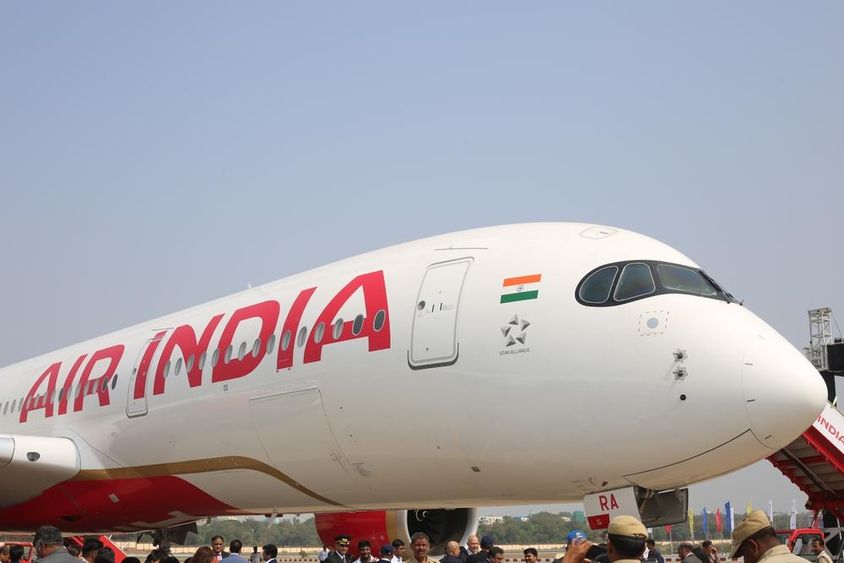
Flexible Rebooking Option between UAE and India: New Solution for Passengers during Regional Air Disruptions
Unexpected Situations in Air Travel
The global aviation system is extremely sensitive to geopolitical, security, and logistical changes. The recent uncertain situation in the Middle East region has once again highlighted how quickly the stability of flight schedules can collapse. When airspaces are closed, flights are canceled or rescheduled, thousands of passengers can find themselves in vulnerable situations. Many passengers were stranded at UAE airports in recent days, especially those who were to continue their travels to various cities in India.
For airlines, such situations pose serious challenges. It is not merely about reorganizing schedules but also about offering quick, flexible, and transparent solutions to passengers. As part of such measures, affected passengers can now rebook their previously canceled flights to India from any UAE airport without additional charges.
Flexible Rebooking System for Passengers
One of the most important elements of the new measure is flexibility. Passengers whose flights were canceled due to regional events are no longer bound to the airport from which they originally planned to depart. This means that if, for example, a Dubai departure flight is not operating, the passenger can continue their journey from another UAE airport.
In practice, this means a significant ease. The UAE has several major international airports, including Dubai, Abu Dhabi, Sharjah, and Ras Al Khaimah. The system allows passengers to choose alternatives based on available flights and potentially depart from another emirate to reach India.
This decision is particularly important for those involved in time-sensitive travel, for reasons such as family, employment, or studies. Flexibility helps avoid a situation where a single canceled flight postpones travel for days or even weeks.
Extra Flights in the Region
To alleviate air traffic disruptions, several extra flights have been established in the region. The number of flights between the UAE and India has significantly increased. These flights not only complement scheduled traffic but also specifically aid passengers stranded due to cancellations in the region.
The extra flights connect several major Indian cities with UAE airports. The traffic is particularly lively on routes operating between Dubai, Abu Dhabi, Sharjah, or Ras Al Khaimah and India's major cities. Additionally, flights are running that ensure connections via other Middle Eastern cities.
This capacity expansion is crucial in the current situation. The goal is to quickly reduce passenger congestion at airports and offer the possibility for prompt returning home.
Digital Administration and Automated Assistance
Modern technology also aids travelers during the rebooking process. Digital administration systems allow passengers to handle rebooking via mobile phones, check flight statuses, or search for alternative routes.
One such solution is an automated WhatsApp-based customer service that answers passengers' questions and helps modify bookings. Such systems are especially important when thousands of passengers are simultaneously seeking information.
The digital channels also reduce queues at airports. Thus, passengers can check even before departure whether their flight is operating or if they need to modify their itinerary.
Role of Dubai Airport in Regional Transportation
Dubai Airport has long been one of the world's most important international aviation hubs. The city's strategic location allows it to function as a key transit point between Asia, Europe, and Africa.
When aviation disruptions occur in the region, Dubai's infrastructure plays a particularly important role. Its high-capacity terminals, advanced logistical system, and dense flight network enable a rapid response to changing situations.
The current measures also demonstrate that the Dubai-centered aviation system is capable of adapting to challenges. Alternative departure points and increased flight numbers help ensure that passengers do not remain stranded at airports for long periods.
Safety and Information for Travelers
In the current situation, one of the most important aspects is passenger safety. Airlines therefore constantly monitor regional developments and, if necessary, immediately modify schedules.
The most important advice for passengers is to always check their flight's current status before departure. Before heading to the airport, it's advisable to confirm that the flight is indeed operating and that rebooking is not necessary.
Information channels are now available in various forms. Mobile applications, online customer service, and automated messaging systems all help ensure that passengers receive up-to-date information.
Adaptability of Air Travel
The current events once again highlight how dynamic the global air travel system is. A regional tension or logistical issue can quickly alter schedules and routes.
However, airlines and airports have developed increasingly advanced crisis management mechanisms in recent years. Flexible rebooking, extra flights, and digital administration all aim to minimize inconvenience for passengers so they can continue their journeys with as little disruption as possible.
UAE airports, especially Dubai, play a crucial role in this system. As one of the region's largest aviation hubs, they are capable of quickly adapting to changing circumstances and ensuring the continuity of passenger traffic.
The newly introduced flexible rebooking option is therefore not just a temporary measure but a solution that demonstrates the operation of the modern aviation system. For passengers, this means that even in the most unexpected situations, there is a possibility to reach their destinations safely and relatively quickly.
If you find any errors on this page, please let us know via email.