Middle East Turmoil Unsettles Philippine Economy
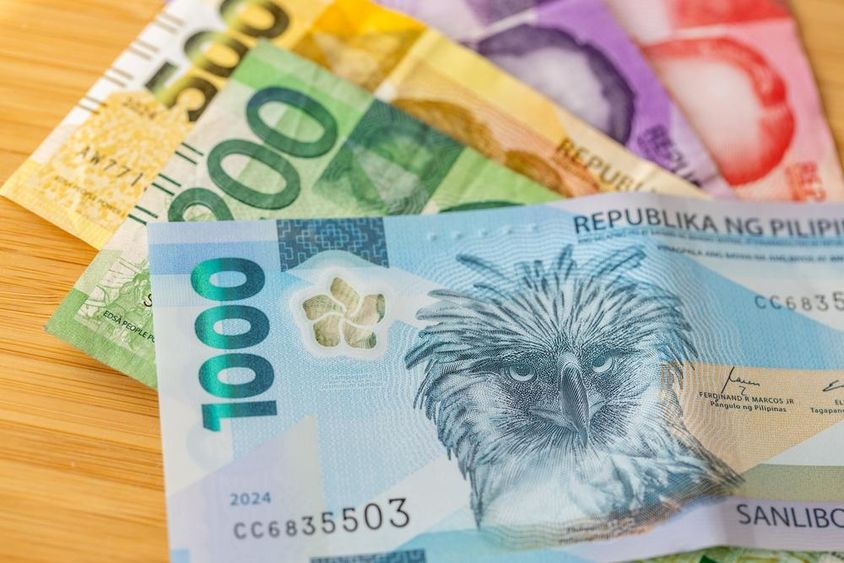
Weak Peso, Rising Costs: Middle East Conflict's Impact on Philippine Economy and Dubai Remittances
Energy supply and geopolitical stability have always been among the most sensitive points of the global economy. When both are under pressure simultaneously, the effects rapidly ripple through the world's financial systems. The recent Middle East conflict has triggered precisely such a chain reaction with consequences extending far beyond the region. The Philippine economy has particularly responded sensitively, while more and more in Dubai watch the value of money transfers with concern.
Peso Hits Record Lows
The dramatic weakening of the Philippine currency has reached a new level. The peso's exchange rate has crossed the 60 mark against the U.S. dollar and has suffered significant depreciation against the UAE dirham as well. At first glance, this might seem favorable for those sending money home from abroad, like from Dubai, as the same amount of dirhams would convert to more pesos.
However, the reality is much more nuanced. The weakening currency is driven by economic processes that pose significant burdens on the population in the longer term. The devaluation of money almost immediately reflects in the prices of imported goods, especially in a country heavily reliant on foreign energy.
Oil Price Shock and Domino Effect
One of the most critical consequences of the Middle East conflict is the rise in oil prices. The increase in energy costs does not only make transportation more expensive but permeates the entire economy. In the Philippines, the price of diesel has more than doubled in a short period, which immediately trickled into transportation costs.
This effect is particularly felt in food prices. Rising transportation costs have led to increases in the price of rice, meat, and vegetables. Thus, the cost of everyday life is quickly increasing, and a significant portion of the population is forced to adapt, often by reducing consumption.
Everyday Livelihood Challenges
Economic pressure becomes most tangible in the lives of everyday people. The low-income groups are in particularly difficult situations, as the increase in the price of basic foods poses serious problems for them. Smaller portions, seeking cheaper alternatives, and cutting back on expenses become commonplace.
The increase in transportation costs also significantly impacts incomes. Those who work daily and live on low earnings have ever smaller leeway. Economic pressure is thus not only measurable in numbers, but also in the deterioration of quality of life.
Energy Dependency and Supply Uncertainty
The Philippines' dependence on energy imports is a key factor in the current situation. The country purchases a significant amount of refined and crude oil from abroad, thus any disruption in supply chains immediately affects the economy.
The situation is worsened by the fact that some of the traditional suppliers have suspended their exports. This not only raises prices but also endangers the security of supply. The tensions around the Hormuz Strait have made seeking alternative sources urgent, which entails further costs.
Rising Utility Fees
The increase in energy prices directly appears in utility bills as well. Rising electricity and water fees place additional burdens on households. The monthly expenses of a family with average consumption noticeably increase, posing particular challenges in the warmer months when water and energy usage is already higher.
This trend clearly indicates that economic impacts are not transitional. The rise in costs becomes permanently embedded in everyday life and will shape consumer behavior in the long term.
Dual Effect of Remittances
For expatriates working in Dubai, a weaker peso might initially seem advantageous. Sending the same amount home means more local currency for families. However, this is only a short-term advantage.
The increased prices quickly "consume" this surplus. Due to inflation and rising energy prices, the purchasing power of money decreases, so families don’t actually end up in a better situation. Hence, remittances increasingly serve to cover living costs rather than savings or development.
Trade Balance and Economic Pressure
The Philippine economy was already burdened by a significant trade deficit, exacerbated by increased imports. Rising energy prices and supply issues further deteriorate this situation.
Maintaining economic balance presents growing challenges for the country. The increase in import costs, currency depreciation, and inflation jointly exert significant pressure on the economy.
What to Expect in the Future
One of the greatest uncertainties of the current situation is the prolongation of the conflict. If tensions persist, energy prices could rise further, potentially causing another economic shock.
For the Philippines, diversifying energy sources and maintaining economic stability will be crucial. For the population, the biggest question is how long the current adaptation can be sustained.
Summary: Apparent Gain, Real Loss
The weakening of the peso and the increasing value of remittances from Dubai may initially seem like positive developments. However, in the backdrop, a much more complex and worrying picture emerges.
Rising energy prices, inflation, and supply issues create an economic environment where short-term benefits quickly vanish. The increasing costs of daily life ultimately affect every layer of the population and pose significant long-term challenges for the economy.
The story is not just about exchange rates, but about how the world economy is interconnected and how a regional conflict impacts millions of everyday lives—even thousands of miles away from Dubai.
If you find any errors on this page, please let us know via email.


