LEDs and Their Impact on Sleep and Focus
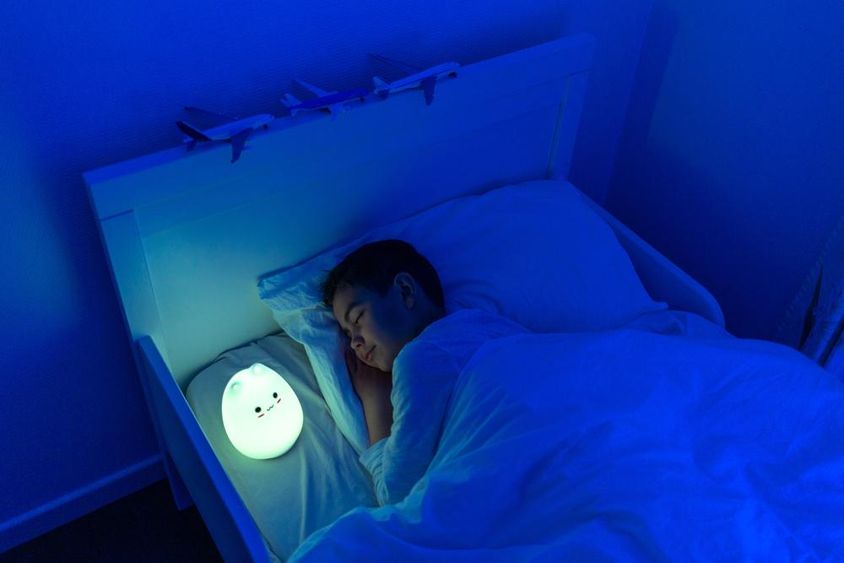
How LED Lighting Affects Sleep and Brain Health
LED lighting has rapidly become the dominant technology in the global light source market over just a few years. Due to its energy efficiency, long lifespan, and sustainability benefits, a significant portion of both households and corporate environments now utilize LED-based lighting. The technology can operate at up to 70% lower energy consumption compared to traditional bulbs, representing a notable advancement both economically and environmentally. However, alongside the rise of LEDs, there has been an unfolding debate about how blue light affects sleep and brain function. Claims circulating on social media are often exaggerated or inaccurate, highlighting the importance of examining this question from a scientific standpoint.
In modern urban life—especially in rapidly developing and sustainability-focused regions like the UAE and particularly in Dubai—artificial lighting plays a critical role in the energy transition. LED lamps are not only energy-efficient but also highly controllable, allowing for the optimization of brightness and color temperature. Biological effects, however, do not arise from the technology being inherently 'good' or 'bad', but rather from how and when the light is used.
The Relationship Between Blue Light and the Biological Clock
The human body's internal time-keeping system, known as the circadian rhythm, is light-sensitive. The main regulatory center in the brain—a suprachiasmatic nucleus within the hypothalamus—is particularly sensitive to blue light in the 450–495-nanometer wavelength range. This spectrum directly influences the production of melatonin hormone.
Melatonin is a key regulator of the sleep-wake cycle. As light intensity decreases in the evening, the body gradually produces more melatonin, assisting in sleep onset and the development of deep sleep phases. However, if the eye is exposed to blue light at night—even at levels of 30–50 lux—melatonin production can decrease by as much as 50%. This can lead to delayed sleep onset and shortened deep sleep durations.
It's important to emphasize that LEDs are not harmful per se. The effects depend on the intensity, timing, duration, and spectral composition of the light. During the day, blue light can be especially beneficial, helping maintain alertness and focus.
Cognitive Benefits of Daytime Use
Numerous studies have shown that exposure to blue light during the day can enhance reaction time, attention, and working memory. Some research suggests a performance increase of 10–20% in certain mental tasks. This is particularly relevant in office settings, education, or jobs that require sustained concentration.
Issues arise when the stimulating daytime effect is carried over into nighttime. Continuous, strong lighting late at night disrupts the natural rhythm, leading to sleep disorders, mood swings, and metabolic imbalances in the long run.
Deep Sleep and Brain Regeneration
Sleep is not merely a period of rest. During the deep sleep phase, the brain's glymphatic system—a natural 'cleaning mechanism'—becomes up to 60% more active. This system is responsible for removing certain neurotoxic proteins, such as beta-amyloid. Poor sleep quality can lead to the accumulation of these substances, posing long-term neurological risks.
Thus, the melatonin decrease induced by blue light can indirectly affect the long-term health of the brain. It's not that LEDs directly damage the nervous system, but inappropriate use degrades sleep quality, reducing brain regeneration.
Retinal Stress and Scientific Uncertainty
Animal studies have shown that prolonged, high-intensity blue light exposure can cause oxidative stress in retinal cells. Human studies, however, have not provided conclusive evidence that LED lighting under normal conditions causes permanent damage. Current data suggest that everyday use is safe as long as the light intensity is not extreme and is not consistently nocturnal.
Flicker and Electromagnetic Emission
Modern LED technology operates at high frequencies, minimizing flicker. In contrast, traditional fluorescent lamps often produce flicker at 100–120 Hz, potentially causing headaches or eye strain in sensitive individuals. Electromagnetic emissions for both technologies remain within international safety limits, so there is no need for concern.
The Role of Smartphones
Nowadays, blue light sources are not only ceiling lamps. Smartphones, tablets, and laptops have become significant sources of nighttime exposure. Just 30 minutes of screen use at night can reduce melatonin levels by 20–50%, delaying sleep onset and diminishing restorative sleep effects.
Moreover, screens are closer to the eyes, causing the retina to endure higher-intensity light exposure compared to general room lighting. Therefore, conscious screen use is as important as selecting proper lighting.
Healthy Lighting Habits
In the evening hours, it is advisable to reduce brightness and use light sources with warmer color temperatures. Strong, cool white LED lighting should be avoided in the bedroom. Screen blue light filter functions can also help minimize intensive melatonin suppression.
The goal is not to reject LED technology but to use it consciously. During daytime, blue light supports alertness and mental performance, while in the evening, subdued, warmer lights help the body's natural slowdown.
Sustainability and Mental Balance
LED lighting significantly contributes to reducing energy consumption and mitigating the carbon footprint, offering clear advantages from a sustainability perspective. The question is not whether to use it, but how to integrate it into daily routines.
Conscious lighting decisions serve both environmental goals and individual well-being. Light is not merely a technical matter, but also a biological and psychological factor. By understanding the mechanism of blue light, we can create a balance where energy efficiency, sleep quality, and brain health reinforce rather than undermine each other.
Thus, LED lighting is not an enemy but a tool. Whether it supports or hinders our well-being largely depends on our own choices.
If you find any errors on this page, please let us know via email.


