Keep Your Receipt: Dubai's Price Assurance
Why Keep Your Receipt in Dubai? – The Role of Purchase Receipts in Monitoring Food Prices
Recent geopolitical events have raised questions about food supply security in many countries. Due to rising tensions in the Middle East, many consumers fear rapid price surges for staple products or even supply disruptions. However, Dubai authorities have sent a clear message to the public: the food supply is stable, stocks are sufficient, and the market is operating continuously. Nevertheless, they have also offered an important piece of advice to shoppers: always keep your receipt.
This seemingly simple step can play a crucial role in allowing authorities to act swiftly against unjustified price increases. The purchase receipt is not just a piece of paper, but evidence of the price a particular product was sold for at a specific time.
Stable Food Supply in Dubai
Dubai's economy and commercial infrastructure have developed a highly advanced logistics system in recent years. One of the city's key advantages is its ability to rapidly and efficiently source food from many countries worldwide. With local production alongside a global supplier network, continuous supply is ensured.
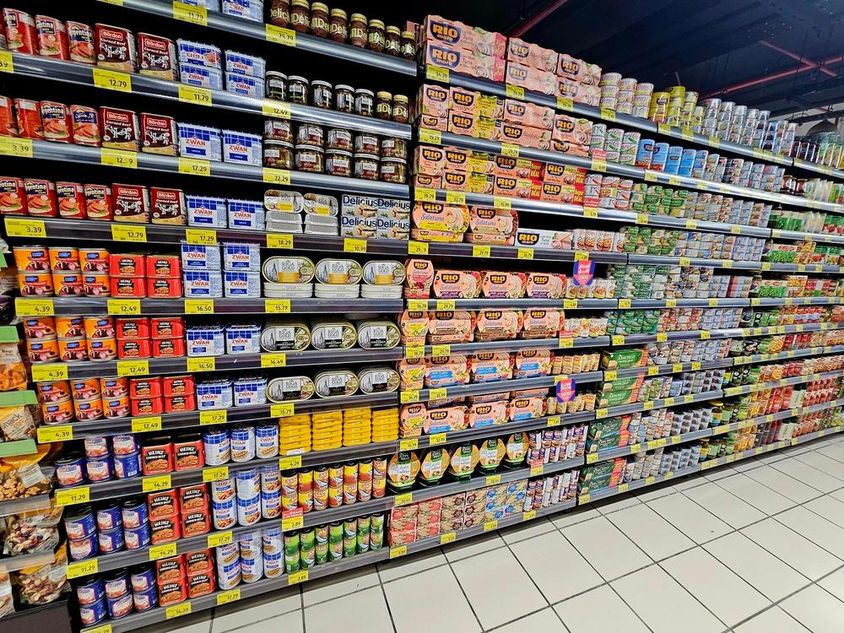
Authorities state that the food supply chain is currently functioning healthily. Store shelves have a sufficient quantity of daily consumer goods, including vegetables, fruits, cereals, dairy products, and other essential food items.
Warehousing stocks and import processes are also stable. The country has significant strategic reserves, providing enough of the most important food items for months. This means there is no need for panic or excessive buying in the short term.
Why Are More People Buying in Bulk?
International news and regional tensions naturally impact consumer behavior. When the public perceives uncertainty, many are inclined to buy more food than actually needed.
In recent days, some Dubai stores have also observed shoppers taking home larger quantities of food. However, this is more out of caution than due to any shortage.
Authorities emphasize that such over-purchasing imposes unnecessary strain on stores. Retailers must restock more frequently, posing logistical challenges. Under normal circumstances, shelves would only need daily replenishment, but the sudden surge in demand requires it to be done multiple times.
Thus, authorities urge the public to shop responsibly and avoid hoarding unnecessary food quantities.
Receipt as an "Insurance Policy"
The role of purchase receipts can be much more important than initially thought. According to authorities, the receipt acts as a form of insurance for consumers.
If a shopper feels a product's price has unjustifiably risen, the receipt can serve as evidence. The date and price shown on the receipt enable authorities to compare prices and examine if irregular price hikes have occurred.
Should a store unjustifiably raise prices, authorities can act swiftly. This, however, requires consumer cooperation, with the receipt being one of the most important pieces of evidence in this process.
Hence, the advice is simple: it's worth keeping the receipt even if it seems initially unnecessary.
Regulated Prices for Essential Foods
Economic regulations in Dubai and the United Arab Emirates pay special attention to the prices of essential food items. According to a new pricing policy, price increases for several important products are only allowed under justified circumstances.
These products include oil, eggs, dairy products, rice, sugar, poultry meat, legumes, bread, and wheat. Given their fundamental role in daily life, authorities closely monitor their prices.
Stores may only raise the prices of these products if there is a real economic reason, and it must be approved by the authorities. This system helps prevent speculation and the exploitation of panic.
Continuous Inspections in Stores
Authorities conduct regular inspections in markets, supermarkets, and wholesale centers. These inspections are particularly intense during holidays and periods of increased demand.
Inspectors monitor prices, stocks, and sales practices. If they find irregularities, stores can face fines or other sanctions.
This year's inspections have so far found very few irregularities, indicating that most traders comply with regulations, and the market operates stably.
The Role of Consumers in Market Stability
According to authorities, market stability depends not only on inspections but also on consumer behavior. If shoppers consciously purchase and keep their receipts, it aids the system's efficient operation.
Keeping the receipt enables consumers to file complaints if necessary. This mechanism provides quick feedback to authorities, allowing them to investigate issues immediately.
Consumer awareness is, therefore, critical. A simple step like keeping the receipt can help ensure prices remain transparent and controllable.
Calmness and Stability in Everyday Shopping
Dubai's economy is built on strong commercial and logistical foundations. The city's food supply is stable, stocks are sufficient, and import processes are ongoing.
Authorities' message is clear: there is no need for panic buying. Stores have adequate goods available, and the market is protected by strict checks against unjustified price hikes.
At the same time, consumers also play a crucial role in this system. Keeping the receipt is a small yet effective tool for shoppers to prove pricing if necessary and contribute to maintaining fair trade.
A simple piece of paper can mean much more than a mere purchase memory. In Dubai, the receipt is indeed a kind of insurance for consumers, helping to maintain market transparency and stability.
source: arabianbusiness.com
If you find any errors on this page, please let us know via email.


