Impact of Resuming Paid Parking Services
Paid Parking Resumes: What's the Daily Impact?
The weather of the past few days has had a significant impact on several areas of the United Arab Emirates, and Sharjah was no exception. Due to heavy rains, authorities temporarily suspended public parking fees to ease the burden on residents and drivers under extraordinary circumstances. However, this period is ending, and from March 31, the paid parking system will be reinstated.
This change is not just an administrative decision but a well-thought-out step towards restoring normalcy. The question, however, is what this means in practice and what lessons can be drawn from the past period.
Extraordinary Weather, Extraordinary Measures
The weather over the past week was unusually intense in several parts of the country, including the Dubai area. Continuous rainfall, water accumulation on roads, and traffic difficulties necessitated a quick response.
One of the first steps by the authorities was to make parking free in all public zones. This was particularly important as many motorists couldn't move their vehicles or chose to leave them in a safe place to avoid damage.
The decision covered all parking zones, including areas where fees are required even on holidays. This clearly shows that the goal was to relieve the population, not to maximize revenue.
Background and Extension of the Free Period
The suspension of parking fees initially began on March 23, when heavy rains hit the area. The measure started as temporary, but due to the continuously changing weather conditions, it was later extended.
This flexibility clearly shows that the authorities do not think in fixed decisions but adjust their measures to the actual situation. For residents, this creates a more predictable and safer environment.
It is worth mentioning that just before the rains, there was a three-day free parking period connected to the Eid al-Fitr holiday. Thus, the residents enjoyed a relatively longer, though with interruptions, discounted parking period.
Why Is the Reinstatement of the Paid System Important?
Many initially perceive the return of paid parking as a negative, but in reality, it is a fundamental element of urban operation. Parking fees are not just a source of revenue but also serve as a regulatory tool.
When parking is free, the number of vehicles in an area often increases, which can lead to congestion and lack of space. The reinstatement of the paid system helps balance the rotation of parking spaces again.
This is particularly important in a dynamically developing area where the number of cars is constantly increasing. The lack of regulation could lead to chaos in a short time.
What to Watch Out for from March 31?
Authorities have clearly indicated that paid parking will immediately return, and the rules will be strictly enforced. Motorists will have to pay attention to parking zones, time limits, and payment methods again.
The most important message is that there is no transitional period. Those who do not pay will face fines. This can be particularly surprising for those who have become accustomed to the free system in recent days.
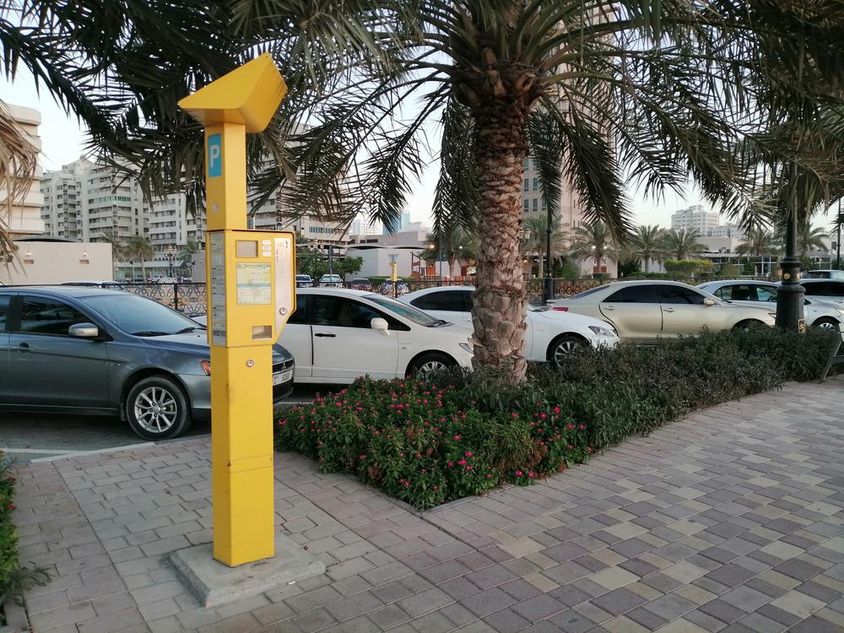
The zones marked with blue information signs will become active again, and the previous rules will be fully reinstated.
Lessons from the Past Days
The events highlighted how quickly everyday life can change under extreme weather conditions. Motorists had to modify not only their driving style but also their parking habits.
Many faced for the first time how important it is to choose the right parking spot during a stormy period. A poorly chosen location can cause significant material damage.
The quick response by the authorities also showed that the system is adaptable. This can give residents confidence in handling similar situations in the future.
The Future Question: Preparedness and Flexibility
After such events, the question always arises: how prepared is the city for extreme weather? The temporary elimination of parking fees was just one of many measures, but it well illustrates the mindset.
In the future, similar quick decisions will likely become more frequent, aimed at supporting the population and maintaining urban operations.
Technology, forecasting, and infrastructure development can all contribute to more effective handling of similar situations.
Summary: Return to the Usual Order
The reinstatement of paid parking is a clear sign that the extraordinary period has ended, and the city is returning to its usual operations. Although this may initially seem like an unpleasant change, it serves the stability of the system in the long run.
The most important task for motorists now is adaptation: paying attention to the rules again and using available parking spaces more consciously.
Recent events are a reminder that urban life is not static but a constantly changing system where flexibility and quick response are crucial.
If you find any errors on this page, please let us know via email.


