High Costs & Middle-East Conflict Hit India’s Air Traffic
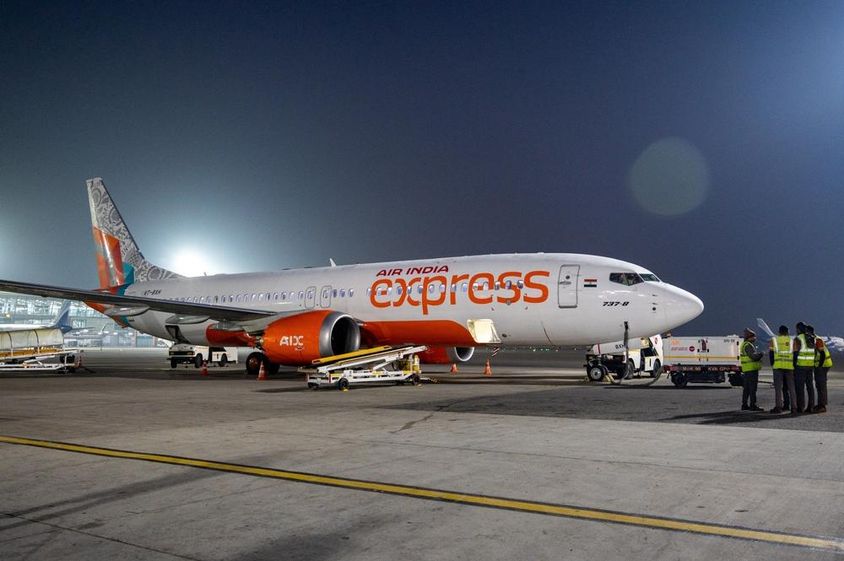
High Ticket Prices and Middle Eastern Conflict: India's Air Traffic Declines
India's aviation sector noticeably felt the combined effects of the Middle Eastern conflict, rising airfare, increasing fuel costs, and flight cancellations in the spring of 2026. Based on March data, it's not a mere temporary fluctuation but a market pressure affecting passengers, airlines, airports, and international routes alike. The most noticeable decline occurred at Mumbai airport, where total passenger traffic fell by 6.2% in March 2026 compared to the same period the previous year.
The situation is particularly important because Mumbai is one of India's busiest aviation hubs, playing a key role both domestically and internationally. In March 2026, the airport handled a total of 4.34 million passengers, a significant decrease compared to March 2025. Domestic passenger traffic fell by 4.8%, to 3.19 million, while international passenger traffic dropped even more sharply by 9.6%, to 1.15 million passengers.
Direct Impact of the Conflict on Flights
One of the main consequences of the Middle Eastern conflict in aviation is the uncertainty surrounding routes and the emergence of airspace usage restrictions. Due to the war risks, several airlines had to modify routes, incorporate detours, or temporarily suspend certain flights. This not only resulted in longer flight times but also higher fuel usage and increased operational costs.
Traffic between Mumbai and the Gulf region reacted particularly sensitively to this. According to available data, 1,035 flights were canceled between February 28 and March 11, 2026, between Mumbai and Gulf countries. This is an extremely high number, especially for a route traditionally characterized by strong business, tourism, and workforce traffic. Millions of people travel annually between India and the Gulf region for employment, family visits, or business matters.
The flight cancellations not only worsen airport statistics but also complicate passengers' daily lives. In many cases, a canceled flight means rebooking, more expensive alternative routes, longer wait times, transfer issues, or even a complete change of travel plans. This can be particularly problematic for those traveling to fixed events such as work, exams, family events, or healthcare appointments.
The Largest Drop in International Traffic
In March 2026, Mumbai airport's international aircraft movements decreased by 16.9% year-over-year, to 6,228. This indicates not only fewer passengers boarding planes but also a noticeable reduction in international flights. International aviation is much more sensitive to geopolitical risks, fuel prices, and exchange rates than domestic traffic, so the current decline in this segment is particularly striking.
However, the picture is not entirely one-sided. In the fiscal year ending on March 31, 2026, Mumbai's annual international passenger traffic still grew by 4.6%, reaching 16.3 million. This suggests that the overall annual trend was previously more favorable, but the March shock of war and cost factors abruptly halted growth. Put differently, aviation fundamentally operated with strong demand, but external risks were able to quickly break momentum.
Delhi, Hyderabad, Chennai, Kochi, and Goa also Affected
The decline was not limited to Mumbai. Several other large airports in India, including Delhi, Hyderabad, Chennai, Kochi, and Goa, experienced decreases in international passenger traffic in March 2026. This points to a nationwide problem rather than operational difficulties at a single airport.
GMR Airports, which is involved in operating Delhi, Hyderabad, and Goa airports, reported a 3.7% decline in domestic traffic in April 2026, reducing it to 7.6 million passengers. International traffic fell by a significantly larger 8.9%, to 2.3 million passengers. Delhi airport handled 6.7 million passengers in April, a 0.3% annual decline, while Hyderabad saw a much sharper drop: the airport handled 2.3 million passengers, a 15.1% annual decrease.
This difference shows that not every airport responds the same way to crisis situations. Delhi, due to its size, route network, and market weight, may be more resilient, while Hyderabad's traffic may be more sensitive to capacity cuts by airlines or passenger travel delays.
A Serious Warning Despite the Annual Record
An interesting contradiction is that while monthly figures showed a decline, airports operated by GMR handled a total of 121.6 million passengers in the fiscal year ending March 2026, setting a record for them. Domestic passenger traffic reached 92 million, while international traffic increased by 1.7% to 30 million.
This indicates that long-term demand remains strong, but the aviation market is extremely vulnerable. A sudden geopolitical event, rise in fuel prices, or currency market pressure can cause noticeable traffic drops within a few weeks. Therefore, the record annual performance does not mean the market is protected from external shocks.
High Fuel Prices Drive Airfares Up
A major cost factor for airlines is aircraft fuel. The steep rise in Aviation Turbine Fuel (ATF) prices put considerable pressure on international flights. India's two largest airlines, Air India and IndiGo, have implemented or raised fuel surcharges on international ticket prices.
Higher fuel costs often ultimately burden passengers. More expensive tickets curb demand, especially on price-sensitive routes. Many passengers traveling between India and the Gulf region do so for work or family reasons and cannot necessarily adapt flexibly to sudden ticket price hikes. When ticket prices on a route rise significantly, many postpone travel, seek other transportation options, or only fly when absolutely necessary.
The weak Indian rupee further increases the burden. Since a significant portion of aircraft fuel and international flight costs are tied to the dollar, a weaker rupee makes operations more expensive for Indian airlines. This can again lead to fare hikes and capacity reductions.
Capacity Reductions in the Summer Months
In the coming months, airlines will not only raise prices but also reduce flights. Air India plans to cut its domestic flights by 22% between June and August 2026. IndiGo plans a smaller but still noticeable 5–7% domestic reduction. Furthermore, IndiGo will cut its international capacity by 17%.
Air India, Air India Express, and IndiGo will collectively remove 250 daily domestic flights from their schedules over the three-month period. This clearly indicates that airlines are treating the situation as a serious operational risk, not just a temporary inconvenience. Capacity reductions can help mitigate losses, but for passengers, it means fewer options, more expensive tickets, and busier flights.
Air India has also suspended some international flights due to high ATF prices and airspace restrictions. This can particularly affect routes involving Middle Eastern airspace or requiring detours. Longer routes require more fuel, result in longer flight times, and can reduce daily aircraft utilization.
What Does This Mean for Passengers?
For Indian passengers, the most important consequence in the coming period could be more expensive and less predictable air travel. Rising ticket prices, fewer flights, cancellations, and possible route modifications mean travel planning will require more attention. Those traveling from India to the Gulf region, for example toward Dubai, may find it worthwhile to book earlier, choose more flexible times, and monitor airline notifications.
The current state of the aviation market also shows how interlinked global politics, energy prices, and the travel sector are. A Middle Eastern conflict affects not only the region's direct players but also countries like India with significant air links to the region. This is particularly true for India, as the connections with Gulf countries are extremely strong on economic, labor market, and family levels.
The Market is Strong, but Risks Are Growing
India's aviation sector still holds significant growth potential in the long term. Record annual passenger numbers show that there is strong travel demand, rising domestic mobility, and significant international connections. However, the March and April 2026 data serve as a warning.
High ticket prices, rising fuel costs, a weakening Indian rupee, war-related airspace restrictions, and flight cancellations together place pressure on the market, which could restrain growth in the short term. The most significant challenge for airports and airlines will be maintaining operational stability while providing acceptable prices and reliable schedules for passengers.
Mumbai's 6.2% March decline is not isolated data, but part of a broader process. Aviation relies on demand, costs, security environment, and international political situation. When multiple factors simultaneously deteriorate, their impact quickly shows in passenger traffic. India's airports continue to handle massive traffic, but the spring 2026 data clearly indicate that growth is not automatic, and stability in aviation is as important as capacity expansion.
If you find any errors on this page, please let us know via email.


