Gold Surges in Dubai Amid Ceasefire
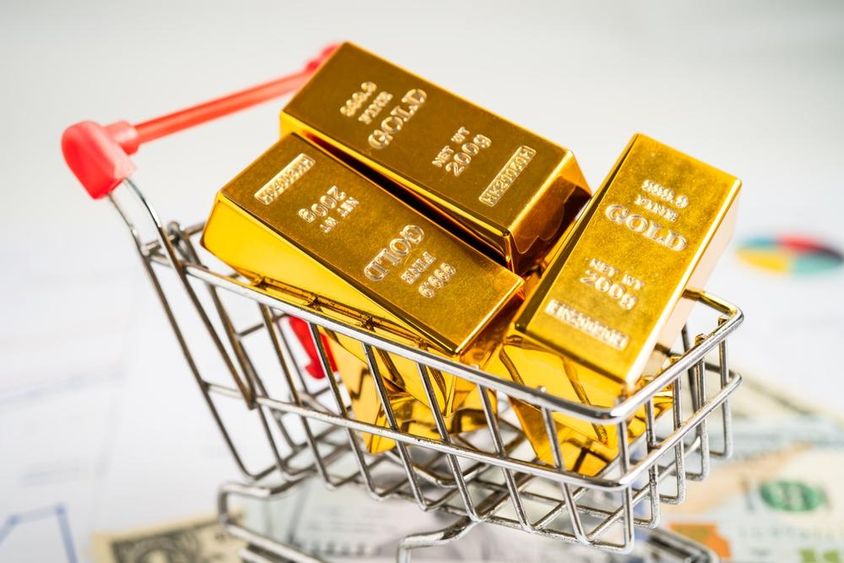
Gold Price Surge in Dubai Post-Ceasefire
The Impact of Geopolitics on Gold
International tensions and their sudden easing always trigger immediate reactions in financial markets, and this time was no different. The ceasefire between the United States, Israel, and Iran has almost instantly affected commodity markets, particularly the price of gold. During times of uncertainty, investors traditionally turn to safe-haven assets, and gold remains one of the most vital such assets in the global financial system.
However, the current situation is unique: it is not the escalation of tension but rather its temporary easing that has caused the price surge. This might seem contradictory at first, but much more complex processes are underway in the background.
Significant Jump in the Dubai Gold Market
In Dubai, the price of gold has increased by more than 12 dirhams per gram in a single day, which is considered a strong movement even in the volatile precious metal market. The price of 24-karat gold reached 578.75 dirhams per gram, while 22-karat gold also showed a significant increase, rising to around 536 dirhams.
This growth is not only significant in numbers but also has a psychological impact. Such rapid price movements enhance investor activity, as many fear missing out on further gains. Simultaneously, there is a sense of urgency among buyers, especially in Dubai, where gold plays a prominent role culturally and commercially beyond just being an investment.
Global Prices and International Impact
It's not just the Dubai market that reacted strongly. The global gold price surpassed the $4,800 per ounce mark, considered a multi-week high. Meanwhile, the price of silver showed an even greater percentage increase, suggesting a broad strengthening in demand for precious metals.
Such movements are often driven by expectations that the economic environment will remain uncertain, even if short-term positive news arrives. Investors often respond to future risks rather than the current situation.
Falling Oil Prices and Inflation Expectations
Interestingly, the ceasefire resulted in a significant drop in oil prices, falling below $100 per barrel. This fundamentally reduces inflationary pressure, as energy prices play a crucial role in the global economy.
At first glance, this would suggest a decrease in gold prices, as gold often serves as protection against inflation. However, the reality is more complex. Although the drop in oil prices may reduce inflation, geopolitical uncertainty persists, and this is enough in itself for the demand for gold to remain high.
Market Reactions: Relief or Caution?
Many analysts consider the current increase to be a "relief rally." This means markets are positively reacting to the reduction in tension, but this reaction may not be sustainable. Investors are still watching to see whether the ceasefire will remain stable or is merely a temporary agreement.
A particularly important question is whether the flow of goods around the Strait of Hormuz will normalize. This strait is one of the most important oil shipping routes globally, and any disruption here immediately impacts global markets.
Dubai's Role in Global Gold Trade
Dubai is one of the most important gold trading centers in the world, so the price movements observed here often reflect global trends. The emirate is significant not only regionally but also internationally, particularly in the trade of physical gold.
The markets here respond quickly to international events and often show trend reversals sooner than other regions. Therefore, many pay close attention to Dubai gold prices when trying to interpret the direction of the global economy.
What to Expect in the Coming Weeks?
The key question in the coming period is how lasting the ceasefire will prove to be. If diplomatic processes advance and tension further dissipates, the price of gold may stabilize or even correct downward.
However, if new uncertainties arise, gold could easily rise further, especially if investors again seek safe-haven assets. Technical levels also play an important role: breaking certain price levels could provide new momentum to the market.
From an Investor's Perspective: Risk and Opportunity
The current situation clearly shows that markets do not always respond linearly to events. The ceasefire itself is positive news, yet it has led to a rise in gold prices. This indicates that investors remain cautious and do not consider geopolitical risks resolved.
In Dubai, this is particularly noticeable, as the gold market here serves both investment and commercial purposes. The rise in prices thus affects not only the financial sector but also everyday commerce.
Summary: A Fragile Balance
The sudden rise in gold prices clearly demonstrates how sensitive global markets are to geopolitical events. While the ceasefire brought relief, it did not eliminate uncertainty.
In this situation, Dubai once again emerges as a key player, where price movements quickly and vividly reflect international processes. The events of the coming weeks will be crucial in determining whether gold prices continue to rise or a calmer phase follows.
One thing is certain: markets remain attentive, and any new developments will immediately appear in prices. Gold has once again proven its unique role in the global economy during crises – even if only temporary.
If you find any errors on this page, please let us know via email.


