Gold Prices Surge with US-Iran Hope
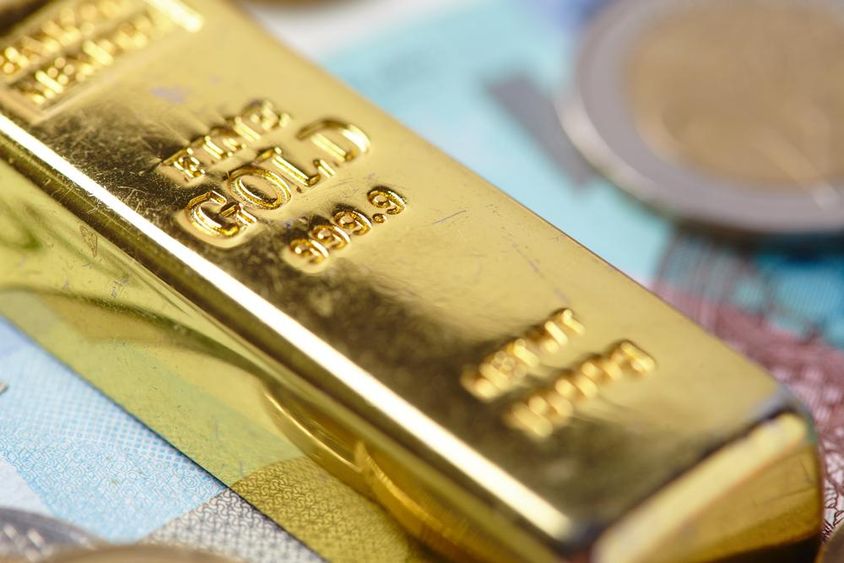
Gold Prices Surge in Dubai Amid US-Iran Talks Hopes
The price of gold has begun to rise again in Dubai, following an optimistic trend in international markets due to the potential diplomatic agreement between the United States and Iran. Investors were particularly intrigued by the possibility of reopening the Strait of Hormuz, one of the world's most critical energy transit routes. The news triggered immediate reactions across oil, currency, and precious metal markets, with gold prices in Dubai seeing an upward trend.
On Friday morning, the price of 24-carat gold reached 567.5 dirhams per gram, representing a 2.5 dirham increase compared to the previous evening's closing. The price of 22-carat gold rose to 525.5 dirhams, while 21-carat gold hovered at 504 dirhams. The price of 18-carat gold climbed to 432 dirhams per gram, and the 14-carat version settled around 337 dirhams. Meanwhile, the spot gold price ascended to $4,729.98 per ounce, marking nearly a 0.65 percent daily increase.
Dubai Remains a Global Gold Market Hub
For many years, Dubai has been one of the world's most renowned gold trading centers. Both the Gold Souk in the emirate and the modern luxury jewelry stores play significant roles in international gold trade. Gold price trends are influenced not only by local demand but also by global geopolitical events.
This is precisely what has happened recently. Investors reacted immediately to news suggesting a potential easing of US-Iran relations. Markets are particularly attentive to the Middle East because a significant portion of energy exports passes through the Strait of Hormuz. A more stable region directly affects oil prices, inflation expectations, and ultimately the movements of the gold market.
The Strategic Importance of the Strait of Hormuz
The strategic importance of the Strait of Hormuz is immense for the global economy. A vast amount of oil and natural gas passes through this narrow maritime route daily. When political or military tensions arise in the region, markets typically respond immediately, as any disruption could have serious impacts on energy supply.
In recent weeks, investors were worried about rising energy prices due to regional conflicts, potentially triggering another inflation wave worldwide. However, hopes for diplomatic progress have alleviated these fears. Oil prices have begun to correct, creating a more stable market environment.
Initially, this could have been negative for gold, as easing inflation pressure often reduces the demand for precious metals as a safe haven. The current situation, however, is more complex. Investors are simultaneously seeking safety and attempting to establish positions ahead of anticipated economic changes, keeping the demand for gold robust.
Three Consecutive Days of Trading Gains
The international gold market has shown strengthening for the third consecutive trading day. Thursday's trading began with an optimistic mood, and prices rose to nearly a two-week high, approaching the $4,760 per ounce level.
Although profit-taking occurred later, the market still displayed strong buying interest. The earlier daily increase of more than 3 percent was particularly noteworthy, as such a strong daily performance had not been seen on the gold market since late March.
According to analysts, this indicates that investors still do not feel completely confident in the global economic environment. Despite positive news from the Middle East, uncertainty remains significant, leading many to view gold as a secure investment option.
The Relationship Between Falling Oil Prices and Inflation
One of the most important consequences of easing the Middle East situation has been the drop in oil prices. Rising energy costs have caused significant concern in both Europe and the United States recently, as higher fuel prices quickly translate into consumer prices.
When oil prices rise, transportation and production costs also increase, ultimately leading to higher inflation. However, markets are currently pricing in the possibility that diplomatic advancements might stabilize energy supply, thus easing inflationary pressure in the short term.
This is particularly crucial for central banks. Both US and European interest rate policies are significantly influenced by inflation trends. If energy prices stabilize, it could reduce the necessity for further interest rate hikes. Such expectations generally have a positive effect on gold, as a lower interest rate environment increases the attractiveness of non-yielding assets.
Revived Demand in Dubai's Jewelry Market
In Dubai, gold is not only important from an investment standpoint but also from cultural and commercial perspectives. A significant number of tourists visiting the city regularly purchase jewelry, especially when exchange rates are favorable or the market becomes more active.
Due to the uncertain economic situation in recent months, many buyers have been waiting, but current market movements may rekindle interest. High international prices do make purchases more expensive, but many investors still view gold as a long-term store of value.
Traders in Dubai claim that geopolitical events in the Middle East always have a direct impact on the mood of the local gold market. When uncertainty increases, people often move their wealth into gold. Conversely, when tensions ease, luxury and jewelry purchases become more vibrant.
The Market May Remain Sensitive
Although the current diplomatic news has moved markets in a positive direction, analysts contend that the situation remains fragile. Geopolitical relations in the Middle East can change rapidly, meaning gold prices could fluctuate significantly in the coming weeks.
Investors will closely monitor every new statement, negotiation, or political development. It will be particularly important to see whether real progress is made in fully reopening the Strait of Hormuz and restarting official negotiations.
Meanwhile, Dubai's gold market may continue to serve as one of the most sensitive barometers of international financial sentiment. Prices in the emirate reflect how investors react to world political events, inflation fears, and energy price changes. The current increase once again proves that gold remains one of the most important safe assets in the global economy.
If you find any errors on this page, please let us know via email.


