Gold Price Fluctuations Amid UAE's Geopolitical Tensions
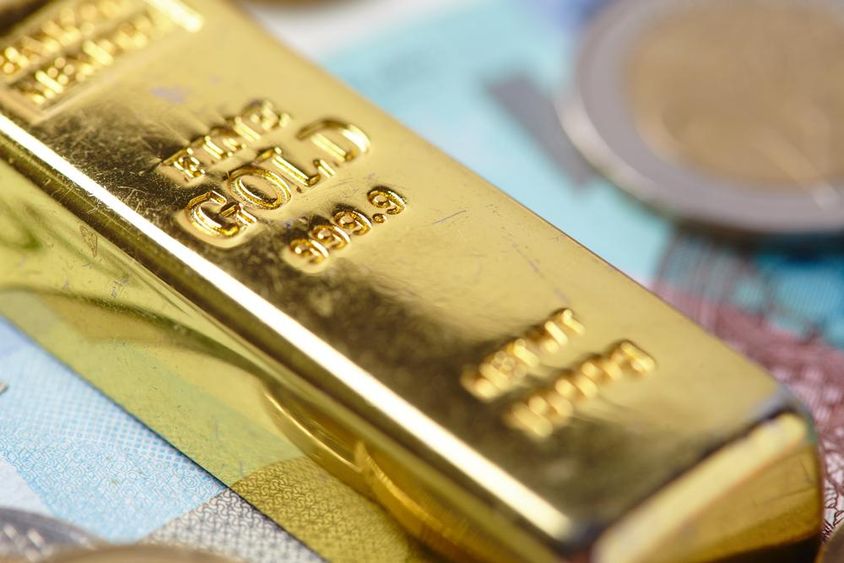
Gold Price Fluctuations: Geopolitical Tensions and Market Reactions in UAE
Gold has always been known as one of the most recognized symbols of security in the global financial system. However, recent events have once again highlighted that even this classic safe haven asset is not immune to short-term fluctuations. In the UAE, and particularly in Dubai's markets, gold prices have shown a slight decline after ceasefire talks failed to yield a breakthrough and geopolitical uncertainty lingered.
Background to the Current Price Movements
According to the latest data, the price of 24-carat gold was around 562.50 dirhams per gram, representing a drop compared to the previous day's closing value. Although this decrease may not seem significant at first glance, it is an important signal for the market. Similar, smaller declines were also observed in the 22, 21, 18, and 14-carat gold categories, indicating that the entire gold market reacted uniformly to the news.
A similar trend was apparent on a global scale. The drop in spot gold prices is driven by several factors, including changes in investor sentiment and uncertainty about macroeconomic prospects. The price of silver also moved downward, which often correlates with gold movements as both play important roles in investment portfolios.
Why Does Gold Respond This Way to Geopolitical Events?
Traditionally, gold prices are strongly influenced by geopolitical tensions. When the world becomes more uncertain, investors tend to turn to gold, considering it a stable store of value. However, the current situation presents a more complex picture.
The failure of ceasefire talks alone could raise demand for gold, but other factors are counterbalancing this effect. These include developments in the oil market, rising bond yields, and the strengthening of the dollar. These are all factors that can exert short-term pressure on gold prices.
Oil, Dollar, and Interest Rates: The Forces at Play
One key question in the region is the status of the Strait of Hormuz. If this strategically important route remains closed or alternative shipping routes face obstacles, oil prices could rise. This could trigger a chain reaction in the global economy: inflation expectations may increase, bond yields may rise, and the dollar could strengthen.
Such processes generally do not favor gold. Rising yields make interest-bearing assets more attractive, while a stronger dollar makes gold more expensive for investors buying in non-dollar currencies. This explains why there is now a slight decline in prices despite geopolitical risks remaining high.
What Could Happen in the Coming Months?
The future of gold prices heavily depends on how the geopolitical situation evolves. If the conflict escalates, it could exert further pressure on prices in the short term due to the aforementioned macroeconomic effects. However, in the longer term, uncertainty usually increases demand for gold.
Another possible scenario is reaching an agreement, opening key shipping routes, and stabilizing the oil market. In this case, inflation expectations could decrease, the dollar might weaken, and the possibility of interest cutbacks could re-emerge. This combination could create a more favorable environment for gold and potentially lead to a return to previous higher price levels.
Dubai's Role in the Gold Market
Dubai has long been one of the world's most important gold trading centers. Its markets respond quickly to global changes and often reflect international trends. The recent price movements clearly illustrate how closely the local market is tied to global economic processes.
For investors and buyers, Dubai is particularly attractive as gold is available in a wide range and prices transparently follow international listings. This means that even minor daily fluctuations immediately surface in local shops.
What Does This Mean for Buyers and Investors?
The most important takeaway from the current situation is that the gold market is extremely sensitive to news and global events in the short term. For those thinking long-term, these fluctuations could represent opportunities rather than risks.
Minor price drops often provide opportunities to enter, especially if long-term prospects remain favorable. However, it is important to consider that gold prices depend not only on geopolitical events but the global economic environment as well.
Summary
The decline in gold prices in the UAE clearly exemplifies how markets react in a complex manner to world events. The failure of ceasefire talks, uncertainty in the oil market, changes in bond yields, and the strengthening of the dollar have all contributed to the current situation.
Dubai continues to play a key role in regional gold trading, quickly tracking global trends. In the coming period, investors' attention will primarily be focused on geopolitical developments and economic indicators, as these will determine whether gold returns to previous levels or further fluctuations are expected.
It is certain that gold will remain a significant asset in uncertain times, even if in the short term it does not always behave as many would expect.
If you find any errors on this page, please let us know via email.


