Gold Demand Soars to New Heights
Gold Demand Hits Record Levels - What's Driving the Investment Wave in the UAE and Asia?
The gold market reached an unprecedented level in early 2026. According to the latest report from the World Gold Council, the value of global gold demand increased by 74 percent year-over-year, reaching $193 billion in the first quarter. This surge is not solely from a quantitative increase but primarily due to significant price hikes and strengthening investment demand.
Behind the numbers lies a much more complex story: geopolitical tensions, inflation concerns, currency risks, and investor psychology together shape the global interest in gold. In this environment, the UAE, particularly Dubai and Abu Dhabi, plays a key role.
Factors Behind the Price Surge and Record Value
In the first quarter, the average gold price was $4,873 per ounce and reached a historical peak of $5,405 in January. Although some correction followed, the price level remained extremely high.
Interestingly, the total demand volume grew only by 2 percent to 1,231 tons. This means that the market value increase is much more attributable to price hikes than to the expansion of physical volume.
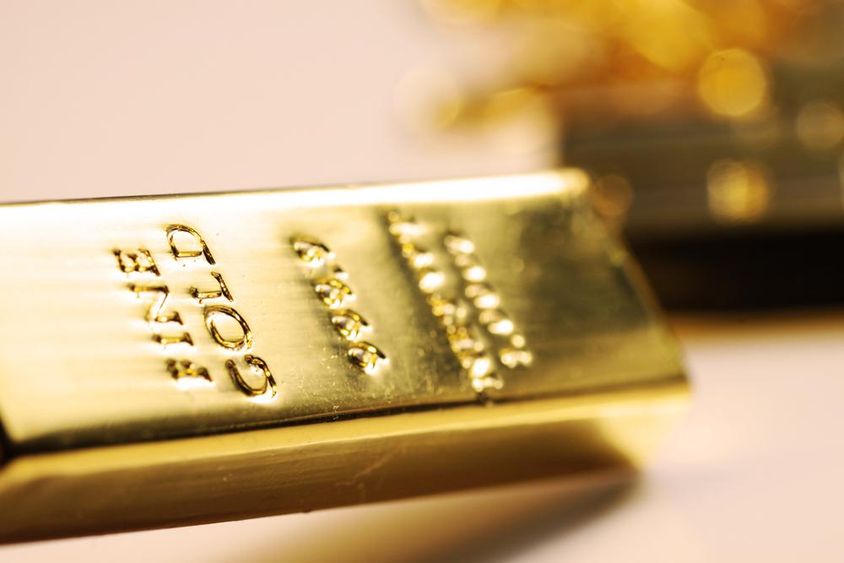
Investment demand, on the other hand, strengthened spectacularly: demand for bars and coins increased by 42 percent, reaching 474 tons. This accounts for one of the strongest quarters in recent years.
UAE and Asia: Strongholds of Physical Gold
The growth driver was primarily the Asian market, but the role of the UAE and the Middle East cannot be overlooked. In the United Arab Emirates, gold is not just an investment vehicle but also of significant cultural and commercial importance.
Dubai and Abu Dhabi are traditionally centers for physical gold trading. Investors here continue to prefer tangible assets, especially gold bars and coins. This preference is particularly strong in periods when global economic uncertainty intensifies.
Due to inflation and currency market fluctuations, many investors view gold as a safe haven. This trend is particularly strong in the UAE, where diversification and wealth preservation are key considerations.
ETFs and Institutional Movements
For gold-based exchange-traded funds (ETFs), there was an inflow of 62 tons in the first quarter. This is a positive number, yet it falls short of the same period in the previous year.
Several factors are behind the more restrained ETF demand. The outflows experienced in the US market and the interest rate hike expectations reduced institutional investor activity in this area.
This also demonstrates that while the demand for physical gold is strengthening, the dynamics of investments through financial instruments can differ.
Jewelry Market: Quantity Declines, Value Increases
The demand for gold jewelry moved in another direction. Global jewelry consumption decreased by 23 percent to approximately 300 tons. This marks one of the lowest levels in recent years.
At the same time, the amount spent on jewelry increased by 31 percent, reaching $47 billion. This again proves that price hikes overshadow the quantitative decline.
In the UAE, buyers have adapted to high prices: choosing lighter, smaller jewelry pieces or postponing purchases. Nonetheless, wedding seasons and festive periods continue to generate strong demand.
Central Banks and Strategic Reserves
The role of central banks remains decisive in the gold market. In the first quarter, there was a net purchase of 244 tons, representing a 3 percent increase year-over-year.
Many countries treat gold as a key reserve asset, especially to mitigate the risks of traditional currencies. This trend provides stable support for the gold market in the longer term.
Technological Demand and Supply Side
Demand for gold in the technology sector also increased slightly by 1 percent to 82 tons. The expansion of the electronics industry and artificial intelligence infrastructure contributes to this growth.
On the supply side, there was also a moderate expansion: total supply increased by 2 percent, supported by the growth of mining production and the strengthening of recycling.
Geopolitics: The Main Driver
Looking to the future, geopolitical risks remain the most important factors. The US-Israel-Iran conflict and other global tensions further strengthen gold's role as a safe haven.
Market volatility has significantly increased in 2026, and fast price movements indicate that investors are sensitively reacting to every global event.
Outlook for 2026
Forecasts suggest that demand for bars and coins will remain strong, especially in Asia and the Middle East. However, high prices may continue to pressure the jewelry market.
Dubai and Abu Dhabi are expected to maintain their key roles in gold trading, as these cities are major centers not only regionally but globally.
Based on current trends, gold will continue to be one of the most important assets in uncertain economic and geopolitical environments. For investors, it offers not only yield potential but also stability and security in a world where predictability is becoming a rare value.
If you find any errors on this page, please let us know via email.


