Fuel Price Explosion: Impact on Dubai Unveiled
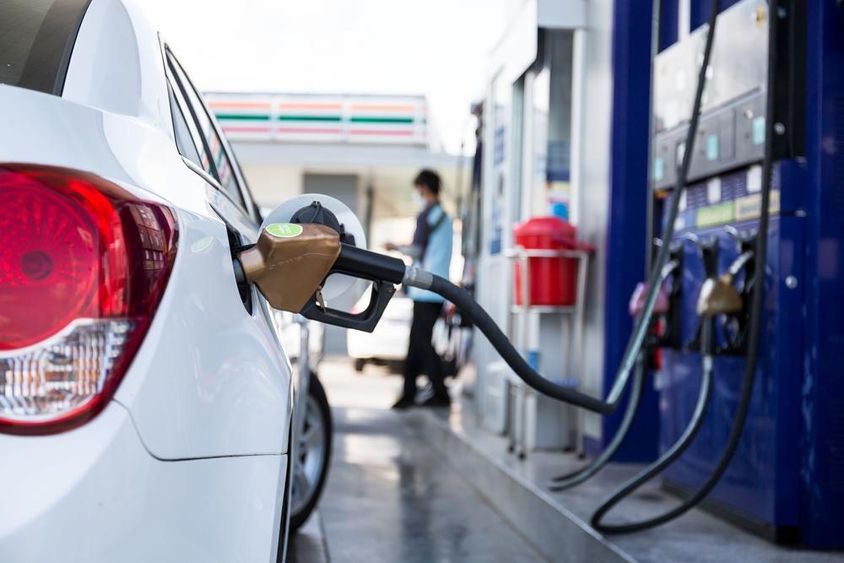
Fuel Price Explosion Worldwide: What Awaits Dubai and What's Behind It?
In recent weeks, such events have unfolded in the global energy market that their impact has become palpable in almost every country. Fuel prices have risen in many parts of the world, in some places moderately, but dramatically in others. Clearly, geopolitical tensions, supply risks, and the swift reactions of the global oil market are behind these changes. The question now is how Dubai and the United Arab Emirates will respond to this situation, and what drivers can expect in the coming period.
The Global Domino Effect
The rise in fuel prices is not a problem confined to a single country. In recent times, from Asia through Europe to Africa, dozens of countries have been forced to increase prices. The extent of the increase varies greatly: in some places there has been a rise of a few percent, while elsewhere prices have soared by over 80 percent.
This phenomenon clearly shows how interconnected the global energy market is. If a critical region experiences disruption, it quickly ripples through to the rest of the world. Oil is not only a raw material but also a strategic asset whose price is highly sensitive to any uncertainties.
The Role of the Strait of Hormuz in the Crisis
One of the most critical factors in the current situation is the tension around the Strait of Hormuz. This is one of the busiest oil shipping routes in the world, through which vast quantities of crude oil pass daily.
When this route is threatened with closure or danger, the market reacts immediately. The supply chain becomes uncertain, shipping costs increase, and investors start pricing in a potential shortage. The result is a rapid and steep increase in oil prices.
Recently, this is precisely what happened: the price of Brent crude oil rose by more than 50 percent in a short period. This is not a gradual increase but a shock-like reaction that also immediately appears in end-user prices.
Why Does Dubai Follow Global Prices?
Many think that in an oil-producing country, fuel prices will remain stable, irrespective of the international market's situation. However, this is no longer the case.
The United Arab Emirates liberalized fuel prices in 2015, meaning local prices directly follow global market movements. This was a conscious economic decision aimed at sustainability, transparency, and market balance.
As a result, drivers in Dubai feel global market changes just like those living in any other country. When the cost of oil rises, it soon appears at the gas stations as well.
March Prices and the Trend of Increase
March data already hinted at the trajectory now strengthening globally. Fuel prices increased, and growth was visible for every type.
The price of various octane gasoline types increased by more than ten fils per liter in dirhams, while the rise in diesel was even higher. This change might not have seemed drastic but was a clear indication that the market was on an upward path.
Now, in the current global situation, this trend could easily accelerate.
What to Expect in April?
Official prices are announced on the last day of each month, so the determination of April's prices takes place directly in the current market environment. Based on the data so far, it is almost certain that an increase will follow.
The question is not whether prices will rise, but by how much. If global oil prices remain at their current level, significant increases are conceivable. But if tensions ease, the growth could be more moderate.
This uncertainty is what currently characterizes the market the most.
The Situation of Drivers and Businesses
The rise in fuel prices affects not only drivers but also the entire economy. Increased transportation costs impact freight, logistics, and ultimately consumer prices as well.
In an economy like Dubai's, where mobility and logistics play a key role, changes in fuel prices are a particularly sensitive issue. Businesses must adapt quickly, whether in transportation, services, or even daily operations.
From the perspective of the population, the increase in everyday costs becomes increasingly palpable.
Short-term Outlook
In the current situation, the most crucial factor is the evolution of geopolitical tensions. If the conflict drags on, oil prices might remain persistently high. This, in turn, puts continuous pressure on fuel prices worldwide.
If the situation eases, rapid correction is possible. The oil market can fall just as quickly as it can rise.
Long-term Effects
Such price explosions often initiate longer-term changes. Businesses are forced to operate more efficiently, consumers become more conscious, and alternative solutions like electric vehicles gain importance.
In this regard, Dubai is already ahead of many regions, as its infrastructure is continuously developing, and sustainability is receiving increasing emphasis.
Summary
The world's fuel market is currently in an extremely sensitive state, and events in the Middle East have a direct impact on price developments. Global increases are already being felt, and all indications suggest that they will remain a significant factor in the upcoming period.
In Dubai, the situation is particularly interesting because although it is an oil-producing region, prices still closely follow international trends. This means that the local market cannot shield itself from global processes.
The announcement of April's prices will be crucial and provide a clear guideline on what extent of impact we can expect in daily life. What is already certain is that the issue of fuel prices will remain one of the most important economic topics in the coming months.
If you find any errors on this page, please let us know via email.


