Fresh Dates Distributed to Dubai Families
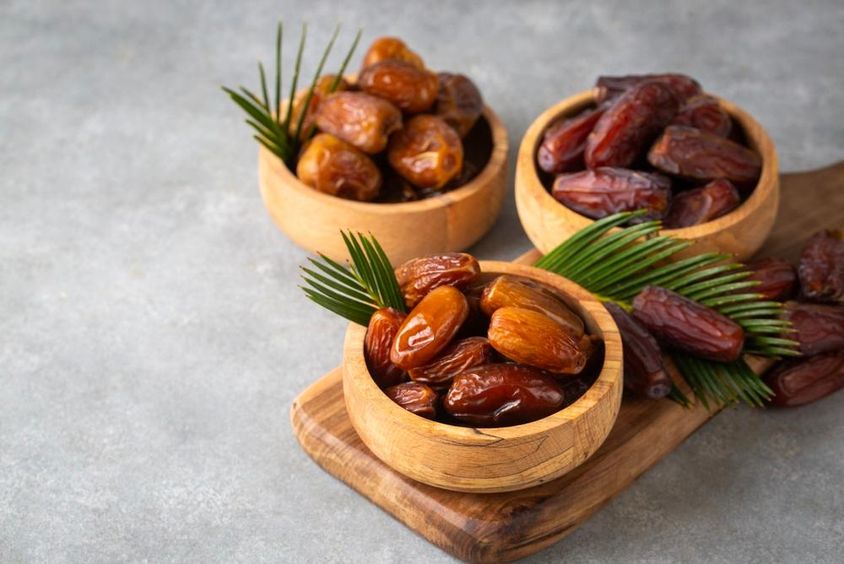
Fresh dates are being shared with thousands of families across Dubai.
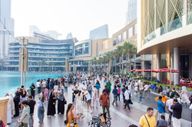
The urban life of Dubai is often associated with skyscrapers, modern transportation, international business environments, and continuous development. However, traditions that have long shaped local communities even before the emergence of the modern city still play an important role in the emirate's society. Among these is the harvesting of date palms and the distribution of fresh dates among families and communities.
On the occasion of the upcoming harvest season, Dubai's Community Development Authority has launched the second edition of the "Kharayef Al Rutab" initiative. As part of the program, fresh dates from local farms are collected, boxed, and then distributed among families and designated community groups in various parts of Dubai.
The initiative serves social, cultural, and agricultural goals. It aids in properly allocating the seasonal produce, supports local farms, provides community tasks for volunteers, and introduces younger generations to the significance of the date palm in Emirati culture.
More than five thousand families can receive fresh dates.
This year's program aims to deliver freshly harvested dates to over five thousand families, as well as additional designated beneficiary groups. Local and national farms are participating in the initiative, providing a portion of their available harvest for the community program.
About a thousand Emirati volunteers are involved in the distribution, tasked with receiving, preparing, packaging, and handing over the harvest. The presence of volunteers is crucial because the program functions as more than just a food distribution. The collective effort strengthens social ties and allows different age groups to participate together in a tradition-based initiative.
The local use of agricultural products in this way can reduce the loss of seasonal harvests. Fresh dates retain their best quality for a limited time, making speedy collection and distribution particularly important. Through the program, farm produce directly creates social and humanitarian value.
The Al Qayz season begins.
The traditional period for harvesting dates is called the Al Qayz season. This is a culturally significant phase in the United Arab Emirates, when the fruit of date palms ripens and the picking of fresh dates begins.
Historically, the harvest season was not merely an agricultural event. It marked a decisive period in the lives of families and communities. The fresh produce was shared with relatives, neighbors, and those in need, making dates over time a symbol of hospitality, generosity, unity, and giving.
The current initiative aims to carry on this tradition within modern, organized frameworks. The distribution of thousands of boxes of fresh dates states that alongside Dubai's rapid development, preserving historical and cultural values remains important.
The significance of the date palm in Emirati culture.
For centuries, the date palm has played a fundamental role in the daily lives of communities across the Arabian Peninsula. Its fruit was an essential food source, while other parts of the palm were used for construction, shading, storage device production, and crafting various utensils.
Due to its high energy content and storability, dates were considered particularly valuable food in areas with limited agricultural options. Therefore, the fresh date harvest was a significant event each year.
Today, the date palm is no longer solely of economic or nutritional importance. It has become one of the most recognized symbols of Emirati heritage. It appears at cultural events, heritage programs, and community gatherings, while dates continue to be regularly offered when receiving guests.
One of the aims of the "Kharayef Al Rutab" program is to ensure that younger generations learn about this significance. Many children and young people grow up in a completely modern urban environment, so programs that connect them directly with past lifestyles and traditions are particularly important.
Multiple entities collaborate on the program.
The collection and distribution of fresh dates are realized through the collaboration of several organizations. Participants include the UAE Food Bank, Dubai Municipality, Dubai's Community Development Authority, and a heritage center focusing on preservation.
In addition to the organizations, the work of local farms and volunteers is indispensable. This cooperation allows the produce to quickly reach the families and community groups for whom the packages were prepared after the harvest.
The Food Bank's expertise in food reception and distribution, the municipality's logistical support, the community development organization's local networking, and the heritage center's cultural expertise collectively ensure that the program is not only effective but also culturally valuable.
Distribution takes place at community councils.
Fresh dates can be received at several community councils, or majlis, in Dubai. These locations have traditionally served as spaces for meetings, discussions, and community events, making them particularly suitable for conducting such a program.
The first distribution site is the Umm Suqeim Majlis, where the handover of date boxes will begin on Monday, July 20. Subsequently, on Tuesday, July 21, the Nad Al Sheba Majlis, on Wednesday, July 22, the Al Warqa Majlis, and on Thursday, July 23, the Al Barsha Majlis will join the program. The initial week's schedule will continue on Friday, July 24, at the Al Khawaneej Majlis.
However, the initiative does not end with this five-day starter program. Further community events and distributions will be held in Dubai's various councils during the fresh date harvest season. Volunteers will participate in preparing and delivering the packages throughout the entire season.
It's not just about food distribution.
Informative and community events are also tied to the program. These showcase the historical role of the date palm, the traditional harvesting methods, and how the palm relates to the lives of Emirati families.
One of the program's most crucial elements is combining the distribution of fresh produce with cultural content. In this case, a box of dates is not merely food but also a mediator of a tradition that goes back a long way.
For the older generations, the Al Qayz season can often evoke personal memories. The younger ones can acquire knowledge that helps them understand how previous generations lived and worked in the region. Volunteer participation provides a chance to not only learn about this heritage through presentations but also actively engage in its transmission.
Supporting local agriculture.
Although Dubai is primarily known as an urban and economic center, farms operating in the emirate and other parts of the country still play an essential role. Supporting local production can contribute to the diversity of food supply and the preservation of agricultural knowledge.
The distribution of fresh dates offers a chance for the local crop to gain more social attention. The participating farms not only provide products but also become part of a community value chain. The harvested fruit reaches families through plantations via volunteers and institutions.
This process clearly demonstrates how a seasonal agricultural product can be transformed into lasting community value. The initiative simultaneously supports producers, reduces potential wastage, and assists designated families.
Tradition and modern organization in Dubai's communities.
The second edition of "Kharayef Al Rutab" sets a fine example of how an old tradition can be adapted to today's institutional and community systems in Dubai. Modern logistics, inter-organizational cooperation, and the large number of volunteers enable fresh dates to reach thousands of families in a short time.
Yet, the program retains the original message of the Al Qayz season. Harvesting remains a period of social connections, giving, and generosity. The handover of fresh dates represents both practical support and a cultural gesture.
During Dubai's development, many new communities, neighborhoods, and lifestyles have emerged, but such initiatives remind us that the city's identity is not solely built on modern buildings and technological advancements. The tradition of the date palm, the harvest season, and the sharing of produce remain important parts of the cultural heritage that connects the past with the present community life.
If you find any errors on this page, please let us know via email.