Flydubai Pakistan Flight Schedule Changes Announced
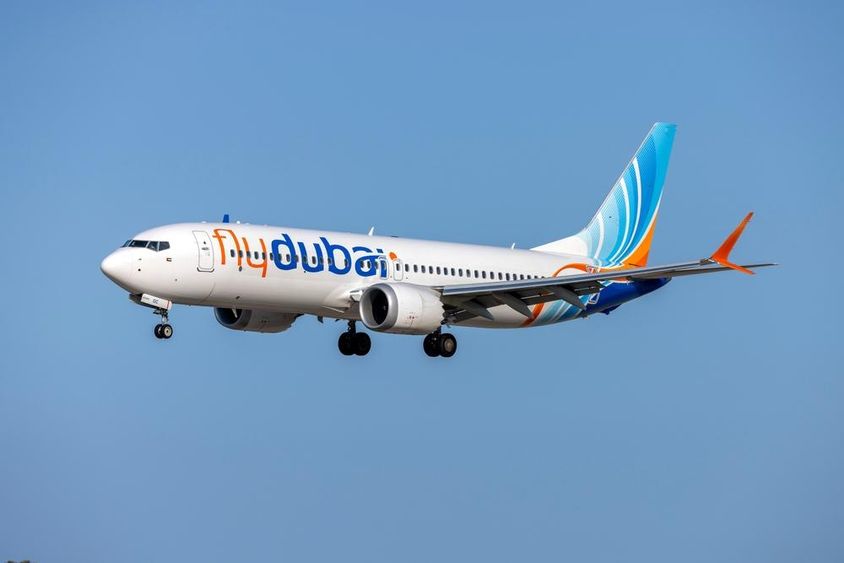
Flydubai Adjusts Pakistan Flight Schedule
Recently, Middle Eastern air travel has become a focal point again following Flydubai's announcement of adjustments to its Pakistan flight schedule. According to the Dubai-based airline, these changes affect many passengers, especially in cities where new bookings can't be initiated temporarily. This development highlights how rapidly and directly the geopolitical situation in the region can impact international air travel.
Over the years, Flydubai has become an essential player in travel between the Middle East and South Asia. It has built a strong network towards Pakistan, regularly used by business travelers, family visitors, and tourists alike. Therefore, these schedule changes might significantly affect many passengers, particularly those planning long-term travel in advance.
Several Pakistani cities temporarily disappeared from the booking system
As of May 13, the airline's online booking system showed that no new reservations were available for three major Pakistani cities. For Islamabad, Lahore, and Peshawar, the system did not display any available flights until the end of October.
This caught many passengers by surprise, particularly because Flydubai had previously operated a stable and frequent schedule to these cities. The disappearance of these flights immediately sparked speculation among travelers, as Pakistan is a significant destination in air traffic originating from the Dubai region.
Complicating the situation further is the fact that bookings remained available for other Pakistani cities. Flights to Karachi, Faisalabad, Multan, Quetta, and Sialkot were still offered by the system, indicating that this is a targeted schedule correction rather than a complete network shutdown.
Regional conflicts continue to affect air travel
According to a statement from the airline, the adjustments are due to the military and security situation developing in the region. Recent regional tensions in the Middle East have affected several airlines' operations. Some airspaces have been temporarily restricted, and certain routes had to be reevaluated.
Flydubai previously indicated that longer flight times should be expected for several flights due to alternative routes. The airline announced at the end of March that due to temporary modifications of certain flight corridors, stopovers in Dubai might also be longer.
In practice, this means that instead of originally shorter routes, aircraft often travel along detours to avoid sensitive airspace segments. These adjustments increase travel time and significantly raise operating costs for airlines.
Passengers are notified directly
Flydubai stressed that affected passengers are being contacted directly regarding rebooking and refund options. This is particularly important for those who already have existing bookings to Islamabad, Lahore, or Peshawar.
The airline also emphasized that passengers who purchased their tickets through a travel agency should contact the agency directly. This often allows for quicker processing, especially in cases of group or complex itineraries.
In recent years, travelers have become accustomed to airlines handling extraordinary situations more flexibly. Post-pandemic, the industry has significantly improved its automatic rebooking and compensation systems, allowing changes to be handled quickly, even digitally.
Dubai remains a key player in regional aviation
Despite the need to temporarily adjust some routes, Dubai remains one of the world's most important air travel hubs. Its geographical location provides strategic connections between Europe, Asia, and Africa.
Flydubai's role is particularly crucial for shorter and medium-range regional routes. While major international airlines focus on long-haul flights, Flydubai has established a dense regional network that plays a key role in business and family travel.
For Pakistan, this is a particularly sensitive area, as a significant Pakistani community resides in the United Arab Emirates. Many regularly travel between the two countries for work, family visits, or business connections.
Passengers should continuously check their flights
In the current situation, it has become especially important for passengers to regularly check the status of their flights before departure. Airlines respond quickly to security and airspace usage changes, which can lead to schedule adjustments even in a short time frame.
Online check-in systems, mobile applications, and automatic notifications assist passengers in staying informed about changes in a timely manner. However, given the current geopolitical situation, quick and unexpected changes can still occur.
Those planning to transfer in Dubai for further travel to other continents are particularly advised to plan additional buffer time. Longer transit times are now often due not to airport operations but to alternative air routes.
Aviation adapts to new challenges
This current case once again demonstrates how sensitive and complex the international aviation system is. The impact of a regional conflict or airspace restriction can manifest in multiple countries' flight networks within hours.
Nevertheless, airlines are now much better prepared to handle such situations than before. Modern route planning systems, digital passenger information, and more flexible schedules allow operations to continue under difficult circumstances.
Flydubai's current schedule adjustment is expected to be a temporary measure driven by security and operational conditions in the region. The airline continues to actively operate a significant portion of its Pakistani network while closely monitoring regional developments and adapting accordingly.
The most important message for travelers is to always check the latest flight information before departure and be prepared for the dynamic changes in Middle Eastern aviation over the coming period.
If you find any errors on this page, please let us know via email.


