Etihad Rail: Transforming UAE Transportation
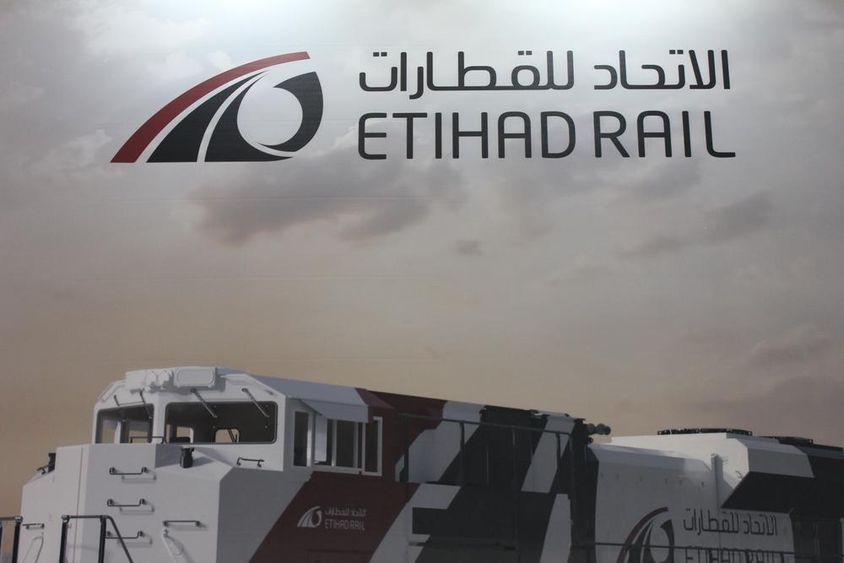
Etihad Rail: A New Era in UAE Transportation
The United Arab Emirates has long awaited the launch of the nationwide railway network, Etihad Rail, which will finally begin its passenger operations in 2026. The project's goal is to provide a fast, comfortable, and sustainable transportation option connecting the country's 11 most important cities and regions. However, this initiative is not just about a new railway line – it is expected that this infrastructure will fundamentally transform UAE's cities, economy, and residential preferences.
Network Structure and Major Stations
The total length of Etihad Rail is 900 kilometers, stretching from the town of Ghuweifat in western Abu Dhabi to Fujairah on the country's eastern coast. The system is divided into three main functions: passenger stations, freight terminals, and operational and maintenance centers.
At the western endpoint lies the Ghuweifat freight terminal and the nearby Sila passenger station. From there, the network continues through the regions of Al Dhanna and Ruwais, reaching Dubai where the first cargo rail terminal is placed in Dubai Industrial City, while the passenger station will be located near Al Maktoum Airport.
The network proceeds towards Sharjah, with a major station at the university city, followed by Al Dhaid and Fujairah stations along the eastern coast. Moreover, the system will connect with neighboring Oman through the Sohar freight facility and the Al Buraimi stone terminal.
Outstanding Speed and Travel Time
The plans suggest that Etihad Rail trains can travel at speeds of up to 200 km/h, drastically reducing travel times. For instance, the travel time between Abu Dhabi and Dubai will be just 57 minutes, while the journey between Abu Dhabi and Fujairah will be around 100 minutes, compared to the 2.5-hour car trip. Traveling between Abu Dhabi and Ruwais will also be significantly faster, with the two cities being reachable in just over an hour.
Travel Experience and Comfort
The trains will have the capacity to transport 400 passengers and will offer three cabin classes: standard, a family zone within the standard class, and business class. The latter will feature more comfortable seating and extra legroom. Additionally, a separate luggage storage area will cater to larger baggage needs.
Stations will be equipped with automated entry systems similar to those in Dubai Metro. Passengers can select their desired class, departure and arrival stations, and include any special requests via ticket machines.
Sustainability Goals and Economic Impact
Etihad Rail aims not only to reform transportation but also to play a key role in the UAE's sustainability efforts. The railway network can significantly reduce road traffic, thereby lowering emissions and traffic congestion. This project is an integral part of the country's Net Zero 2050 strategy.
Another significant impact could be the change in residential choice habits. Urban planning experts suggest that the high-speed rail may encourage residents to move to more affordable suburban or distant areas while providing quick and convenient access to city centers. This can not only alleviate urban congestion but also contribute to more balanced economic development across the country.
International Relations and Future Vision
Etihad Rail will be part of the regional railway network connecting the GCC (Gulf Cooperation Council) member states. Once the network covering the entire region is realized, travel between Abu Dhabi and Riyadh could be completed within five hours by train. This would ease business travel and help increase tourism and economic integration among the Gulf countries.
Operations and Management
The passenger service will be operated by a joint venture named Etihad Rail Mobility, established by Etihad Rail and the international transport company Keolis. The partnership will centrally manage not only train operations but also the entire travel ecosystem including buses, taxis, parking, and staff training.
Expected Passenger Numbers and Forecasts
Etihad Rail aims to serve 36 million passengers annually by 2030. This marks a significant advancement in community public transportation within the UAE, potentially opening new dimensions in the nation's mobility.
Summary
Etihad Rail is not just a transportation project; it is part of the United Arab Emirates' forward-looking vision. The opening of the railway network will not only mean more convenient and faster travel but can also bring significant economic, social, and environmental changes. The UAE once again sets an example to the world in integrating transportation, sustainability, and smart urban planning into a single grand project. The 2026 launch will open a new era in the Emirates' life—and in the daily journeys of railway passengers.
(Source: Based on Etihad Rail announcement.)
If you find any errors on this page, please let us know via email.


