Etihad Rail Connects UAE Cities With Rail
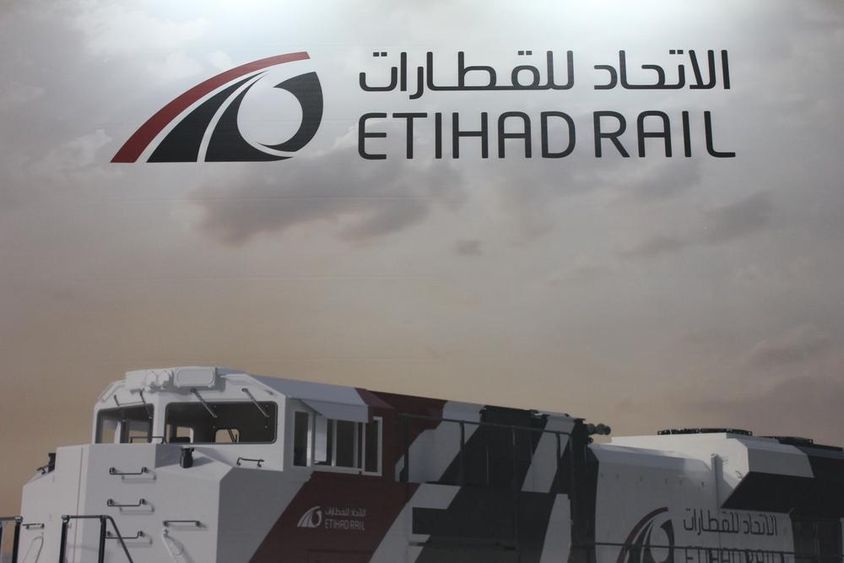
Etihad Rail: New Rail Network Links UAE Cities, Including Dubai
One of the most ambitious transportation projects in the history of the United Arab Emirates has reached another milestone. Etihad Rail has announced the expansion of the national passenger train network with the addition of seven new stations, thus connecting a total of 11 cities and regions. The new lines not only serve Dubai, Abu Dhabi, Sharjah, and Fujairah but also include previously unannounced stations like Al Sila, Al Dhannah, Al Mirfa, Madinat Zayed, Mezairaa, Al Faya, and Al Dhaid.
Full-scale Passenger Rail Network in UAE History
The goal of the Etihad Rail passenger project is to create a fully integrated national rail network that will significantly impact the country's economy, transportation, and social cohesion. With these new stations, the network connects various parts of the country, providing both residents and business sectors with fast, convenient, and sustainable travel options.
The previously announced four main stations — Mohammed Bin Zayed City (Abu Dhabi), Jumeirah Golf Estates (Dubai), University City (Sharjah), and Al Hilal (Fujairah) — already offered significant coverage. The addition of seven new stations, however, truly elevates the project to a national level.
Carefully Selected Stations Based on Public Needs
Project managers emphasize that the location of the stations is not random. Decision-making considered factors such as population density, regional development plans, and proximity to traffic hubs. The new stations were designed and built according to the latest technological standards to ensure maximum comfort and reliability for passengers.
Two Classes, Premium Experience
Etihad Rail trains will operate with business and tourist class accommodations. The business class includes 16 seats, while the tourist class has 56 seats, both featuring modern interiors. Each seat has its own power outlet and Wi-Fi access, allowing passengers to work while traveling.
The timetable will be regular, offering a fast and punctual alternative to car travel. The aim is to reduce road traffic and transportation-related emissions, contributing to the country's sustainability goals.
High-Tech Vehicles and Safety
The fleet consists of 13 trains, of which ten have already arrived in the country and have successfully undergone testing and certification under international standards. Each train can carry up to 400 passengers. The trains are operated by the most modern control systems, ensuring both safety and punctuality.
More than 7000 professionals and workers participated in the project, dedicating a total of 24.5 million work hours over the past three years to design, construction, and commissioning, indicating the complexity of the project and the professional resources invested in it.
Keolis: Experience in the Background
Last October, Etihad Rail formed a strategic partnership with Keolis, a global public transport operator, to operate the passenger services. Under the agreement, Keolis is responsible for running the trains and related transportation vehicles — buses, taxis, cars, and parking — facilitating seamless transfers to other transportation modes for passengers.
The company is tasked with training drivers, recruiting staff, and managing the overall passenger experience. The aim is for the Etihad Rail service to be not only fast but also welcoming and efficient.
National Impact: Economy, Tourism, Mobility
The project goes beyond transportation modernization. The integrated rail network will significantly boost domestic tourism by enabling quick access to various tourist attractions across the country. Additionally, it enhances workforce mobility and opens new business opportunities in the affected regions.
Environmental considerations play a key role as well. Operating the trains contributes to reducing greenhouse gas emissions, an especially important goal in the UAE's forward-looking sustainability strategy.
Concluding Thoughts
The expansion of the Etihad Rail passenger network is not just a transportation project, but a symbol of the UAE's modernization efforts. With new rail connections, including those that serve Dubai, the country's cities are brought closer together — physically, economically, and socially.
This project demonstrates that the UAE is not only a land of spectacular constructions and luxury hotels but also a country that thinks long-term and strategically about the future of mobility. And in this, Dubai plays a key role — now also on the tracks.
(Source of the article is based on Etihad Rail's announcement.)
If you find any errors on this page, please let us know via email.


