Etihad Airways Tops Safety Rankings
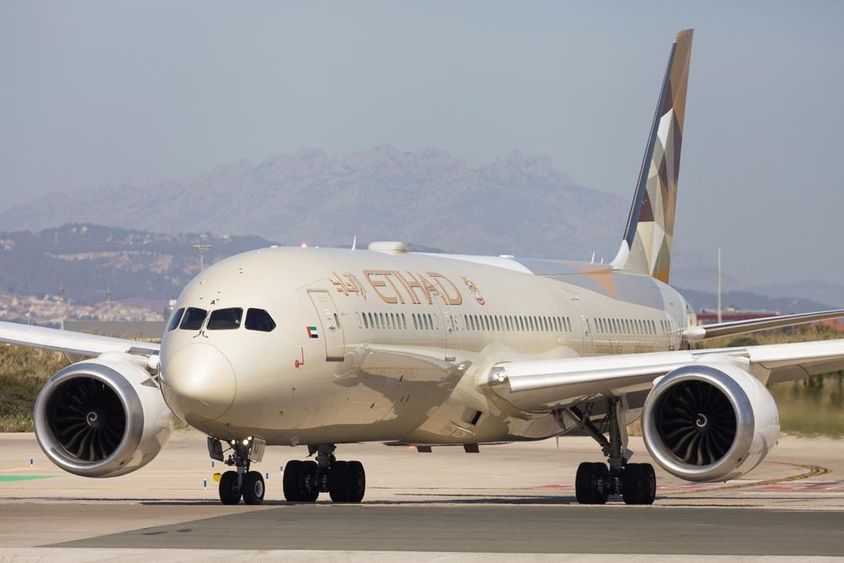
Etihad Airways: Safe Landing After Turbulence and Top Spot Among World's Safest Airlines
An Etihad Airways flight from Abu Dhabi to Thailand experienced brief turbulence in the air but safely landed at Phuket airport, with no injuries to passengers or crew, according to the airline. This incident further illustrates why Etihad has topped the ranks of the world's safest airlines for 2026.
Turbulence in the Air – Safe on Ground
Flight EY416 departed Abu Dhabi on January 14, with its destination being Phuket. Despite the turbulence shaking the travelers during flight, thanks to the preparedness of the pilots and crew, the aircraft landed safely. According to an Etihad spokesperson, all passengers and crew members safely disembarked the plane after the incident. As per the airline's protocol, the aircraft will undergo technical inspection to rule out any potential damages.
The statement particularly emphasized: "The safety and comfort of our guests and crew are always our top priority." Such declarations are not mere formalities – this recent incident demonstrates that Etihad Airways stays true to these principles even in unexpected situations.
Etihad Airways Leading: World's Safest Airline in 2026
According to the 2026 list published by AirlineRatings, Etihad Airways has officially been named the world's safest airline. The compilation evaluated 25 traditional and budget airlines globally based on aspects such as fleet age, incident rate, accident history, cabin safety protocols, cockpit technologies, and procedures for handling turbulence.
This is the first year a Gulf carrier has taken the lead. Cathay Pacific ranked second, followed by Qantas in third place. The top 10 also includes airlines like Qatar Airways, Emirates, Air New Zealand, Singapore Airlines, Eva Air, Virgin Australia, and Korean Air.
Sharon Petersen, AirlineRatings CEO, stated: "Etihad's exceptional performance earned them the top spot. The average fleet age is young, with the lowest incident rate among all assessed airlines, and they displayed exemplary practice in handling turbulence."
Turbulence: A Natural Aspect of Flying
The recent event serves as a reminder that turbulence is one of the most common, yet often misunderstood phenomena of modern flight. While it can be uncomfortable for passengers, it is seldom dangerous, and planes and crews are specifically prepared to handle such situations.
Airlines like Etihad take turbulence management seriously, not only from a technological standpoint but also in training and operations. Crews undergo regular training, and state-of-the-art meteorological systems in the cockpit help anticipate or manage expected turbulence. The cabin crew takes immediate action, such as instructing passengers to fasten seat belts.
Etihad's Success is No Accident
Etihad's success results from long-term investments and a consistent strategy. The airline continuously updates its fleet with next-generation aircraft, such as Boeing 787 Dreamliners and Airbus A350s, known for both comfort and outstanding safety.
Moreover, Etihad was among the first to undergo the independent onboard safety audit by AirlineRatings, which covers not only the cockpit and cabin but also operational protocols, crew training, and emergency drills. The airline performed superbly in all areas of evaluation.
What Does This Mean for Passengers?
Topping such a ranking is not just a prestigious acknowledgment but a real guarantee for passengers. Those booking tickets with Etihad can rest assured that the airline does everything in its power to ensure their safety—be it through onboard comfort, crew preparedness, or the technical condition of the planes.
The recent turbulence incident is particularly noteworthy given the context: as air traffic grows in some regions, and with it the number of flights potentially encountering turbulence, Etihad is proactively responding to this challenge—not by post-incident damage control, but with preventive protocols.
Summary
The recent case of Etihad Airways, where a turbulence-affected flight landed safely in Phuket, well demonstrates why it earned the title of the world's safest airline in 2026. The young fleet, advanced technology, exemplary cabin and cockpit protocols, and minimal incident rate all contribute to the safe and tranquil travel experience for passengers.
The airline's commitment to continuous improvement and safety is exemplary—and it sends a message to all travelers: when we board an Etihad flight, we entrust ourselves to a globally recognized, stringently audited airline equipped with cutting-edge technology and a well-prepared crew.
This means not only safety but also peace of mind above the clouds.
(The article is based on a statement by Etihad Airways.)
If you find any errors on this page, please let us know via email.