Ensure Safe Summer Driving in the UAE
Summer Driving in the UAE: Why Tires and Air Conditioning Demand Extra Attention?
The summer months in the UAE pose a serious challenge for drivers every year. The heat, high humidity, prolonged city traffic jams, and highway stress create conditions where vehicles are subjected to much greater strain. During this time, it's not just the driving style that matters but also the technical condition of the car. Worn-out tires, a weak cooling system, or a malfunctioning air conditioning system can not only cause inconvenience but also create dangerous situations on the road.
Dubai's Roads and Transport Authority (RTA) has launched a summer awareness campaign that links to the UAE Ministry of Interior's annual Safe Summer initiative. The goal is simple yet very important: to encourage drivers to regularly check the condition of their vehicle before setting off, especially the tires, air conditioning system, engine oil, and coolant. In the summer heat, even a minor fault can quickly escalate into a serious problem.
Summer Heat Takes a Toll on More Than Just People
Many people think primarily of their own comfort when the UAE's hot season arrives. Naturally, everyone wants to get into a cool car, and any air conditioning failure is immediately noticeable. However, other parts of the car suffer similarly from the heat, even if it's not immediately visible.
The engine, cooling system, battery, brakes, and tires are all under increased stress during this time. The high external temperature causes car parts to heat up more quickly, the cooling system has to work harder, and the pressure in the tires can fluctuate. A longer journey, a highway section, or even several hours of urban crawling can be enough for a previously insignificant fault to emerge.
For this reason, the RTA emphasizes that regular checks are not unnecessary precautions but a part of safe driving. During the summer months, drivers should not wait until the car emits a warning signal or until a problem becomes noticeable. Prevention is much cheaper, simpler, and safer than waiting for help on the side of the road in scorching heat.
Tire Condition is Crucial
One of the most important aspects of summer driving is checking the tires. On the UAE's roads, especially in Dubai's busy sections, cars often travel at high speeds, while the asphalt can be extremely hot. This combination places a serious burden on the tires.
Incorrect tire pressure, cracked sidewalls, worn tread, or old tires all increase the risk of punctures and tire damage. Too low pressure causes the tire to heat up more, whereas too high pressure can impair grip and road holding. The heat exacerbates this effect, so it is especially important in summer that the tires are at the recommended pressure specified by the manufacturer.
The RTA urges drivers to regularly inspect their tires for cracks, bulges, cuts, or abnormal wear. These signs can indicate that the tire is no longer safe. Ignoring tire condition can be particularly dangerous on highways, where a sudden tire failure can lead to serious accidents.
Air Conditioning is Not a Luxury, But a Safety Issue
In Dubai and the UAE's summer weather, air conditioning is not just a convenience. A well-functioning AC helps keep the driver alert, focused, and capable. If the car's interior overheats, the driver can tire more quickly, reaction time can deteriorate, and the chance of making mistakes increases.
Furthermore, air conditioning system failures do not often happen suddenly. Initially, it may just cool less effectively, make strange noises, emit unpleasant odors, or take longer to cool the interior. These signs should not be ignored, as the system's performance might further deteriorate in the heat.
Therefore, the RTA also highlights that drivers should ensure the air conditioning is working properly. Before a long journey, it is crucial to ensure the car's cooling is in order, as stopping, congestion, or waiting in heat puts even more strain on the system.
Coolant, Engine Oil, and Leaks
Another key component of summer driving is the proper cooling of the engine. Checking the radiator fluid level is a simple step, yet it can prevent many breakdowns. If the coolant is low, or there is a leak in the system, the engine can easily overheat. This can lead to unpleasant stoppages or severe and costly engine damage.
The level and condition of engine oil are also important. Engine oil helps reduce friction, protects parts, and contributes to proper engine operation. If the oil level is low, or it has already worn out, the car is at increased risk of breaking down under heavy load.
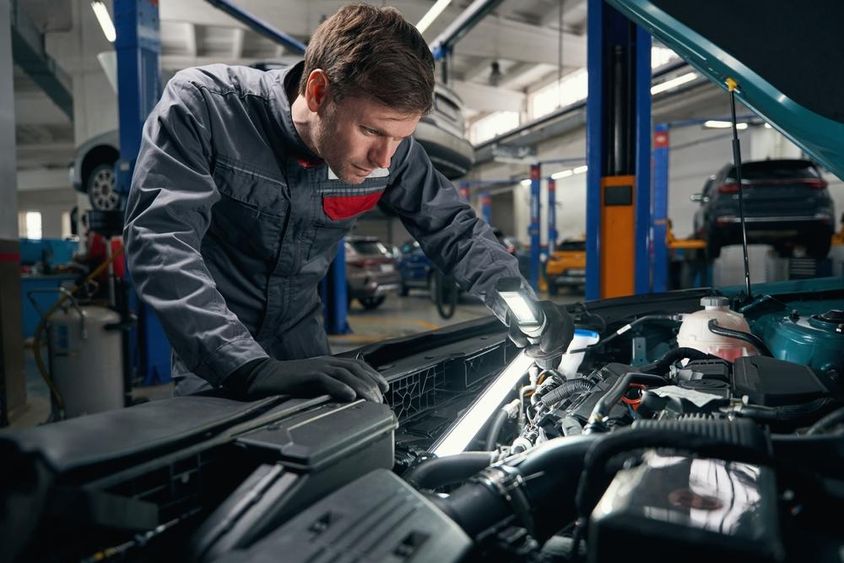
The RTA suggests that drivers perform a quick visual inspection before setting off. It's worth checking for water or oil stains under the car, for visible leaks, and ensuring all basic fluid levels are adequate. This takes a few minutes but can prevent many inconveniences.
The Importance of Brakes and Visibility
In summer, not only the engine and tires' condition is important. The braking system also deserves special attention, as the heat, dust, high speeds, and frequent city braking all pose significant stress. Worn brake pads, weakened braking effect, or unusual noises are signs that should not be delayed.
The RTA also reminds drivers that the cleanliness of the windows, windshield, rear glass, and lights is a fundamental safety issue. Dirty, dusty glass hinders visibility, especially in strong sunlight or nighttime driving. Clean lights are crucial for the vehicle to be clearly visible to others and for the driver to see the road properly.
A clean car is not just an aesthetic issue. A well-maintained vehicle makes it easier to spot leaks, damage, or other technical problems. Therefore, regular cleaning can also be part of summer preparation.
Shady Parking and Reducing Overheating
The RTA encourages drivers to park in shaded areas whenever possible and not leave the car in direct sunlight for extended periods. This is not always easy in Dubai's crowded areas, but where possible, it is worth doing.
A car in direct sunlight can heat up very quickly inside. This is not only uncomfortable when getting in but also adds stress to the car's interior parts. Plastic components, electronics, seat upholstery, and the dashboard can age more quickly due to prolonged heat exposure.
Shaded parking, using sunshades, and proper ventilation of the car can all help reduce heat stress. These are small steps but make a significant difference in the long run during the summer months.
Never Leave Children in the Car
One of the campaign's most important messages concerns child safety. The RTA has issued a very firm warning: children should never, under any circumstances, be left unattended in a car, not even for short periods.
The interior of a closed vehicle can heat up extremely quickly. The outside temperature is already high, but within the car's interior, the heat can become life-threatening in minutes. Many mistakenly believe that a running or previously functioning air conditioning system can provide sufficient protection, but this is not a safe solution. In a completely closed car, the AC provides no guarantee, especially if the engine stops, the system fails, or the child remains inside for a longer duration.
The authority's message is clear: there is no quick errand, swift purchase, or brief stoppage that justifies leaving a child alone in a vehicle. Community vigilance is also important. If someone sees a child at risk in a car, immediate assistance should be sought because every minute counts in such situations.
The Conscious Driver Thinks Ahead in Summer
Driving in the UAE during summer requires preparation. The heat is not an exceptional situation but a recurring condition every year, which drivers need to consciously prepare for. Checking tires, the AC, coolant, engine oil, brakes, and visibility is not a complicated task but can significantly reduce the risk of breakdowns and accidents.
Traffic on Dubai's roads is fast, distances are long, and the summer heat is relentless. A technical fault in such an environment can be more than an annoyance; it can be a serious hazard. That's why the RTA's campaign is not merely a warning but a practical guide for every driver.
Summer safety does not hinge on a single big decision but on many small, regular steps. A tire pressure check, a quick glance under the car, an AC test, or timely servicing requires much less time and energy than dealing with an unexpected breakdown on a hot roadside.
The message is clear: summer driving in the UAE is only safe if drivers not only drive but also pay attention to the condition of their car. Prevention during this period is not an option, but a responsible decision for the safety of ourselves, our passengers, and other road users.
If you find any errors on this page, please let us know via email.