Eid Al Fitr 2026: UAE's Price Stability Success
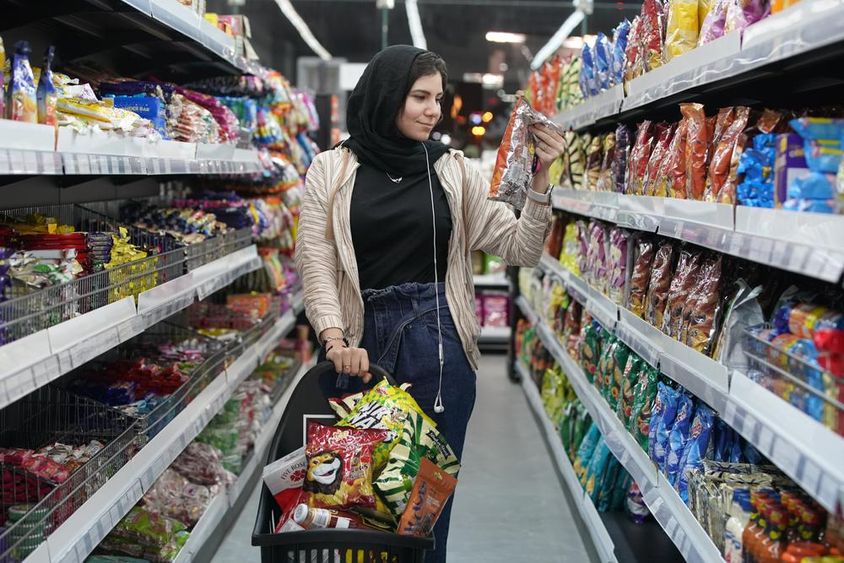
Eid Al Fitr 2026: Stabilizing Food Prices and Promotions in UAE Supermarkets
Eid Al Fitr is one of the most important times of the year in the United Arab Emirates, when families celebrate together, host guests, and prepare lavish tables for the festive days. In 2026, however, an especially interesting economic phenomenon is observed: while demand significantly surges, food prices do not drastically rise, and in many cases, they even stabilize or slightly decrease. This is partly due to strengthened local production and conscious diversification of supply chains.
Rising Demand Before the Holiday Period
In the days leading up to Eid, there is always a noticeable increase in traffic at UAE supermarkets. Shoppers not only buy basic foodstuffs during this time, but sweets, drinks, rice, meats, and various gift items also fill the carts in large quantities. Due to the communal nature of the holiday, families often prepare larger quantities as hosting guests plays a central role.
Retailers are well aware of this pattern, so they begin stocking up weeks in advance. In 2026, this was done particularly consciously: stores started the season with increased inventory to avoid shortages and sudden price spikes.
Transformation of Supply Chains
Recent global economic challenges have highlighted how vulnerable systems based on unilateral import sources can be. Therefore, in the UAE, significant emphasis was placed on diversifying procurement sources. This means that they can source the same product from several different countries, so if a particular route or partner falls through, the system remains operable.
This was particularly important for certain vegetables. For example, onion and tomato prices fluctuated earlier in the year, as some supply chains temporarily faltered. However, with the rapid incorporation of alternative sources, the market quickly balanced, and prices returned to a stable level.
Elevated Role of Local Production
One of the most important factors behind price stability is the development of local agriculture. In recent years, the UAE has made significant investments in modern, technology-based food production. Greenhouse farming, water-saving systems, and innovative cultivation methods help ensure continuous supply even in extreme climatic conditions.
Tomatoes are a good example of this: local production is currently sufficient to cover a significant portion of domestic demand. This not only stabilizes prices but also reduces dependence on external markets.
International Procurement and Price Balancing
Diversified imports also play a key role. For certain products, the UAE procures goods from multiple regions, such as the Middle East and North Africa. This allows the supply to remain continuous even if production or logistical issues arise in a particular country.
For example, the new onion supplies significantly contributed to price reductions. This type of flexibility is one main reason why significant inflationary pressures did not develop during the pre-Eid period now.
Festive Promotions and Discounts
The more stable pricing environment allows retailers to attract customers with impressive promotions. In 2026, several supermarkets offered discounts of up to 40 percent across various product categories.
Promotions not only cover sweets and gifts but also basic foodstuffs. This is particularly important during the festive period when household expenses typically rise. The purpose of these discounts is clear: to help families comfortably prepare for the Eid celebration.
More Conscious Consumer Behavior
While discounts are tempting, consumers are increasingly approaching them consciously. Many no longer automatically accept that a promotion means real savings. Instead, they compare prices, choose between different stores, and often seek out larger packages or alternative purchasing locations.
It is also becoming more common for families to simplify festive preparations. Instead of spending long hours cooking, they prefer to order ready-made meals, saving time and energy. This trend is particularly noticeable in big cities such as Dubai.
Transformation of Consumption Habits
Eid is no longer exclusively about traditional shopping patterns. While sweets and drinks remain prominent, the focus is increasingly on experiences and convenience. Families place greater importance on time together than on excessive preparations.
This change requires adaptation from the retail sector as well. Stores not only offer products but complete solutions: pre-packaged bundles, quick shopping options, and online ordering possibilities.
Stability in a Hectic Region
The UAE's economic model has repeatedly proven its resilience in recent times. While uncertainty is experienced in other parts of the region, the country has been able to maintain supply security and price stability.
This is especially important during key periods like Eid Al Fitr, when social and economic activity intensifies simultaneously. Well-functioning supply chains, local production, and conscious retail strategy together ensure that the celebration can truly be about joy, rather than concerns over prices.
Summary
The 2026 Eid Al Fitr period shows how effectively the UAE can manage increased demand without letting prices spiral out of control. The strengthening of local production, diversification of procurement sources, and conscious preparation from the retail sector all contribute to this stability.
For consumers, this creates a favorable environment: a wide selection, accessible prices, and significant discounts are available. Meanwhile, consumer habits are also changing, with increasing emphasis on awareness and practicality.
All this results in Eid being not only a religious and cultural highlight but also an economically well-organized and balanced period in the United Arab Emirates.
If you find any errors on this page, please let us know via email.


