Eid Al Adha Halts UAE Stock Trading
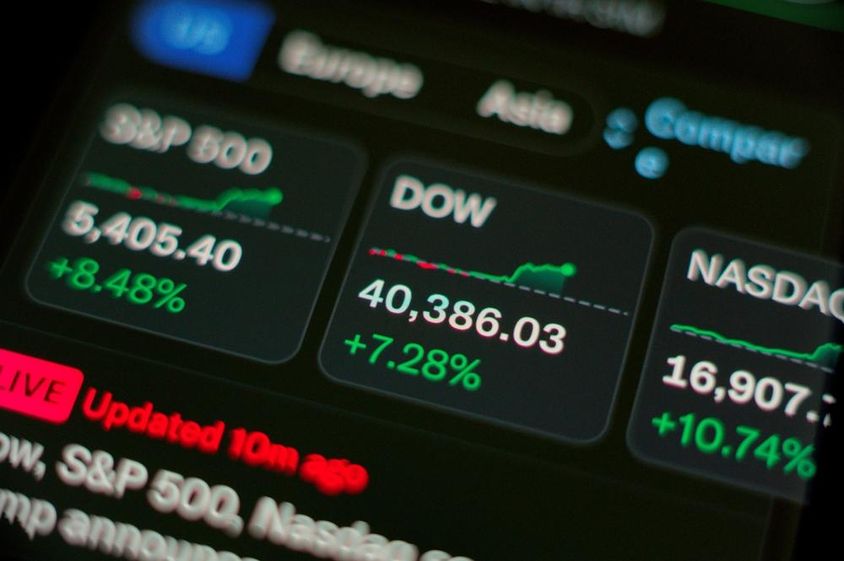
Emirati Stock Exchanges Pause During Eid Al Adha: Long Break for Dubai and Abu Dhabi Markets
In the United Arab Emirates, Eid Al Adha is not only a significant religious and social period but also greatly impacts economic activities. During the 2026 festive period, the country's major financial hubs, including the Dubai and Abu Dhabi stock exchanges, will shut down for several days, introducing important changes for investors, traders, and financial service providers alike. The Emirati Securities and Commodities Authority officially confirmed that the Abu Dhabi Securities Exchange and the Dubai Financial Market will suspend operations from May 26 to May 29, 2026, due to the Eid Al Adha holiday.
Trading and all related market operations will resume on Monday, June 1, 2026. This multi-day closure affects not only stock trading but could also influence investor sentiment, liquidity, and regional financial activity.
Long Holiday Period in the United Arab Emirates
This year's Eid Al Adha offers an especially long break for those working in the public sector. According to an official statement, public sector employees will enjoy a holiday from May 25 to May 29, 2026. Since the holiday connects with the weekend, many workers will benefit from a total of nine consecutive days off.
In the private sector, a slightly shorter but still significant break is expected. Corporate employees will receive paid leave from May 26 to May 29. For those who typically have Saturdays and Sundays off, the festive period can mean a six-day break.
This extended pause annually prompts considerable activity in the travel, tourism, and financial sectors. Flight bookings increase, hotels become fuller, while financial market activity gradually slows as the holiday approaches.
Why is the Stock Market Break Important for Investors?
At first glance, the shutdown of the Dubai and Abu Dhabi exchanges might seem like a simple administrative decision, but it holds significant implications in practice. Interruptions in trading periods on financial markets always increase uncertainty, especially when international markets remain operational.
While the Emirati exchanges are closed, significant portions of the American, European, and Asian markets remain active. This means that global economic events, oil market movements, or geopolitical news can influence the Emirati investor sentiment even when there’s no opportunity for immediate local reaction.
The Middle East financial markets are particularly sensitive to changes in energy prices. Movements in the global oil market, regional political events, or international interest rate decisions are factors that traders will closely watch, anticipating the markets' reopening.
Dubai's Financial Center Role Continues to Strengthen
In recent years, Dubai has grown not just as a tourism and real estate hub, but into one of the key financial centers in the region. The Dubai Financial Market increasingly attracts international investors, while the emirate's advancements in technology, logistics, and fintech also bolster the city's economic influence.
Therefore, the holiday shutdown is no longer merely a local event. International fund managers, investment banks, and institutional players are closely monitoring the operation of the Emirati markets, particularly at a time when the region's economic activity is at a high level.
One of Dubai's greatest advantages remains its stable regulatory environment, modern infrastructure, and rapidly developing economic backdrop. The emirate continues to aim to become one of the world's leading financial centers that can connect Europe, Asia, and Africa.
Abu Dhabi is Becoming an Increasingly Important Investment Destination
While much attention is focused on Dubai, Abu Dhabi's financial role is also growing significantly. The Abu Dhabi Securities Exchange has recently conducted several major corporate IPOs that have attracted substantial international interest.
Due to its stable government backing, energy revenue, and sovereign wealth funds, many investors view Abu Dhabi's market as a safer and more predictable environment for the long term. The emirate continues to work on diversifying its economy, with technology, artificial intelligence, and sustainable investments receiving increasing emphasis alongside the oil sector.
During the holiday stock market closure, many analysts will likely observe global markets and the anticipated reopening in early June for the Emirati trading.
Economic Impact of the Long Holidays
The Eid Al Adha period traditionally boosts consumption in the United Arab Emirates. Shopping malls, restaurants, hotels, and airlines experience peak activity during this time. A significant portion of the population travels, participates in family programs, or organizes short international trips.
This economic activity partly offsets the temporary shutdown of financial markets. The tourism and service sector can perform exceptionally well, particularly in Dubai, where the holiday season is a significant source of revenue.
Commercial centers typically prepare for the Eid period with extended hours and special promotions. Luxury brands, electronics stores, and restaurants benefit from the more active consumer behavior of both locals and tourists alike.
What to Expect When Markets Reopen?
The reopening on June 1 may be especially intriguing for investors. The international events and economic news accumulated during the multi-day closure could bring heightened volatility in the Emirati markets during the initial trading days.
Investors' attentions will focus primarily on oil prices, the international interest rate environment, and the global stock market sentiment. Additionally, regional geopolitical developments will also play a crucial role in how trading resumes on the Dubai and Abu Dhabi exchanges.
However, for the markets, the holiday period can also serve as a psychological fresh start. Many investors reassess their portfolios, develop new strategies, or pause ahead of the summer period.
It is certain that the financial system of the United Arab Emirates remains stable and continues to be an increasingly important player on the international stage. The development of the Dubai and Abu Dhabi markets shows that the country aims to be a defining economic hub in the Middle East and globally alike.
If you find any errors on this page, please let us know via email.


