Easing Teacher Burdens in UAE Schools
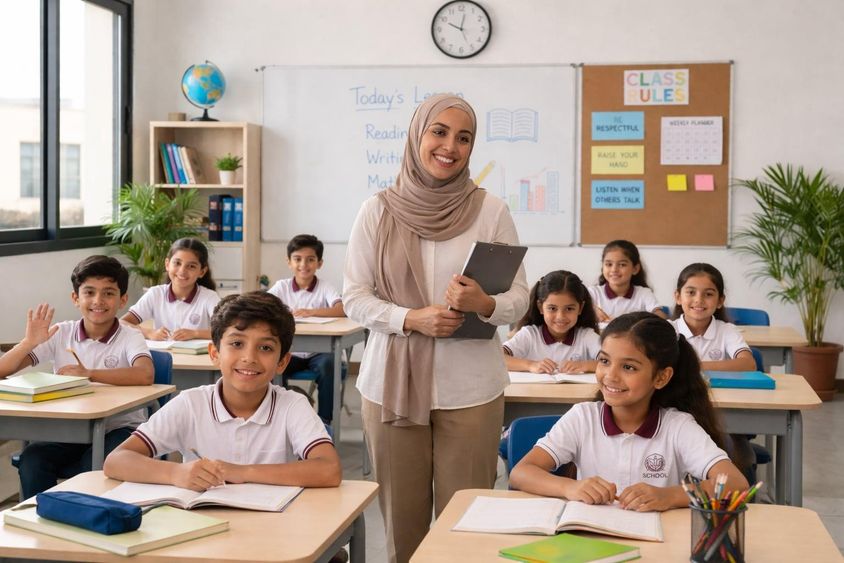
New Roles in Schools: Easing Teachers' Burdens in the UAE
Educational systems worldwide are continually evolving, but the United Arab Emirates is poised to take a particularly significant step. The new initiative aims to introduce separate administrative and supervisory roles in schools, thereby reducing the burden on teachers. This is not merely an organizational reform, but a shift in perspective that can have long-term impacts on the quality of education and the quality of life for educators.
The Changing Role of Teachers
In recent years, the duties of teachers have significantly expanded. In addition to traditional educational activities, they are shouldering more administrative, organizational, and communication tasks. They are not only teaching but also managing documentation, handling data, liaising with parents, and participating in numerous background processes of school operations.
This complex role can lead to overload over time. Teachers often have to work beyond official hours, disrupting the balance between work and personal life. The new system addresses precisely this issue: it partially separates administrative duties from teachers, allowing them to return to their primary mission, teaching.
Why Change Became Necessary?
The decision is based on a comprehensive analysis that highlighted how a significant portion of teachers are performing too many non-educational tasks. While these tasks are important, they do not necessarily require pedagogical expertise.
The increase in administrative burdens affects not just the well-being of teachers in the long run but also the quality of education. When a teacher is bound by paperwork or organizational tasks, they have less energy left for lesson preparation, individual student support, or the application of innovative teaching methods.
The Issue of Mental and Physical Strain
Excessive workload is not just an inconvenience. It can lead to serious mental and physical consequences. Continuous stress, time pressure, and overtime can easily result in burnout.
Mentally, this can cause exhaustion, concentration problems, and reduced motivation. Physically, it can manifest as chronic fatigue, sleep disorders, or even a weakened immune system. Such a state is burdensome not only for the individual but also the entire educational environment.
For educators, mental stability and balance are particularly important, as their work has a direct impact on students. An overloaded teacher is less able to be present in class, respond to individual needs, and create an inspiring environment.
The Significance of New Roles
A key element of the new system is that specialized professionals take over a portion of the administrative and organizational tasks. These roles are created to specifically relieve educators.
In practice, this means teachers can spend more time doing what they do best: teaching, engaging with students, and pursuing professional development. The reorganization of administrative duties allows teachers to be more focused and efficient.
Moreover, schools' operations can become more transparent and structured. Clearly defined roles help avoid task overlap and uncertainty in responsibilities.
The Need for a Systemic Approach
It is essential to emphasize that genuine change cannot be achieved merely by creating new positions. The key to success lies in systemic thinking. This includes reconsidering workflows, eliminating unnecessary tasks, and establishing more effective operations.
Leadership plays a crucial role in this. Transparent communication, realistic expectations, and respecting teachers’ time all contribute to creating a healthier work environment. It’s also important for teachers’ feedback to be integrated into the system, ensuring that changes truly respond to their needs.
Impact on Students and Education Quality
While the primary goal of the measure is to alleviate teachers' burdens, students can also enjoy significant benefits indirectly. A balanced, motivated teacher can teach more effectively, better connect with students, and create an inspiring learning environment.
More time and energy allow for individual attention, differentiated instruction, and the application of innovative methods. This can lead to better academic results and stronger skills in the long term.
Part of a Long-Term Strategy
The UAE's educational reform is not an isolated step but part of a comprehensive strategy focused on innovation and quality. The country aims to create an education system that responds not only to present challenges but also prepares for future needs.
Supporting teachers plays a key role in this. If educators can work in the right environment, the entire system becomes more stable and efficient.
Conclusion
The introduction of administrative roles in schools is a step that serves both the well-being of teachers and the improvement of education quality. Reducing overload, reorganizing tasks, and adopting a systemic approach all contribute to creating a more sustainable educational environment.
This change does not only transform the day-to-day operation of schools but can also have long-term effects on the entire society. The quality of education directly impacts the opportunities for future generations, and through this, a country's competitiveness.
If you find any errors on this page, please let us know via email.