Dubai's Transit Systems Could Revolutionize Short Trips
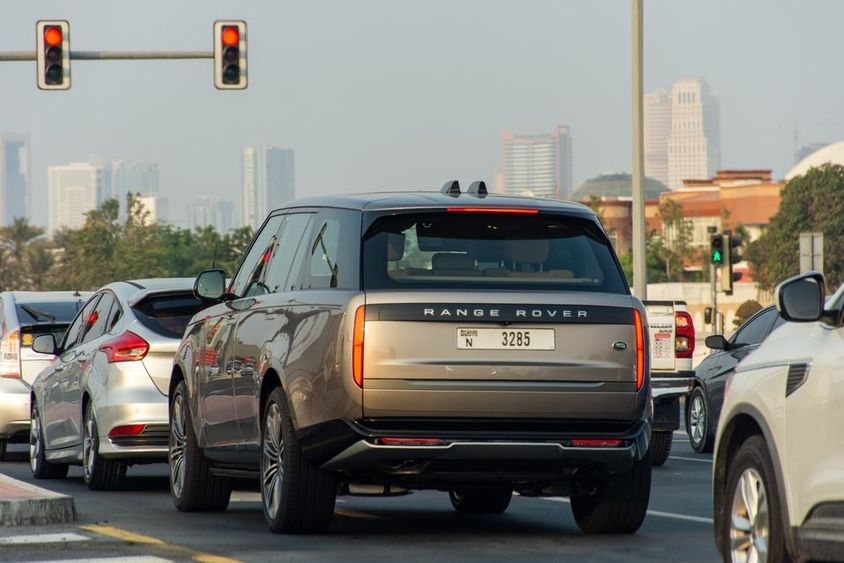
Dubai's New Transit Systems May Replace Short Car Trips
Dubai's urban transport is undergoing significant transformation, centered around a strategic realization that aims not only to reduce the number of cars but to completely rethink transportation habits. The city administration's goal is to keep people out of their cars even for trips as short as two or three kilometers. Instead, they offer modern, rapid, intelligent transport solutions capable of replacing these short but significantly burdensome trips.
Why are short car trips problematic?
Many are prone to think that urban congestion is caused by population growth. While this plays a role, the reality is more complex. According to Dubai transport experts, the real reason is that people use cars for nearly every movement — even when it's just a short walk, bike ride, or whether they could use a local rapid transit option. Daily commutes, taking children to school, or going to a nearby shopping mall often happen by car, and when tens of thousands do this at the same time, traffic jams are guaranteed.
Downtown, DIFC, Al Quoz, and the area around the Mall of the Emirates are particularly affected. These are busy areas mixing business and residential zones, where traffic load peaks during morning and afternoon hours.
City's answer: new, intelligent transport systems
Projects announced at the World Governments Summit focus on new technologies capable of addressing one of urban transport's significant challenges: short, frequent car use. One solution is high-speed underground transit designed specifically to serve downtown areas. This will be combined with self-driving "feeder" vehicles transporting passengers between metro stations and nearby destinations such as offices, schools, or apartment buildings.
The concept emphasizes that public transport doesn’t stop at the metro exit but continues to the actual travel endpoint. This "last-mile" approach is crucial to prevent people from getting back into their cars for just a few stops.
Why might this approach work?
The new systems are forward-thinking technologically and logically. If people can reach their workplace or school quickly, predictably, and comfortably without needing a car, they will more likely choose the alternative. The key is to make these trips simpler, smoother, and time-competitive with car travel.
Current transport system overload is well illustrated by the estimate that up to 90 percent of road traffic is work-related, with only the remainder for leisure or other trips. Thus, changing commuting habits plays a crucial role.
Role of city development: planned transport
Dubai's example highlights how important it is for transport systems to be considered from the start of urban development projects. Trying to attach transportation to already existing urban structures often leads to compromises, congestion, and efficiency problems. In contrast, if mobility considerations emerge at the design table, the city can grow sustainably.
Automation and eliminating human factors
Plans suggest the new systems will be not only fast but also self-driving. One benefit is the elimination of human errors, such as breaking lane-changing rules or unnecessary braking, which reduce road capacity. Automated systems operate precisely, reliably, and predictably, not only saving time but also reducing congestion risk.
Small steps, big impact
While the new transit systems are impressive and offer long-term solutions, it's essential to remember that each car removed from the roads improves the situation. Road capacity is finite — once it reaches its maximum, traffic jams become inevitable. Therefore, every small step reducing congestion contributes to the better functioning of the entire system.
Conclusion
Dubai's new transport strategy isn't just a series of technological developments but a sign of a profound shift in mindset. The city has realized that the real solution isn't more lanes, more parking spaces, or more cars, but quite the opposite: fewer cars, smarter travel, and conscious transportation decisions.
Transforming short but regularly repeated journeys may be the key to improving the quality of urban life in the future. The goal is for Dubai to travel not only faster but smarter — and now everything is in place for this: technology, planning, and political will.
img_alt: Cars stopped at a red light in Dubai City.
If you find any errors on this page, please let us know via email.


