Dubai's Traffic Overhaul: Big Changes Ahead
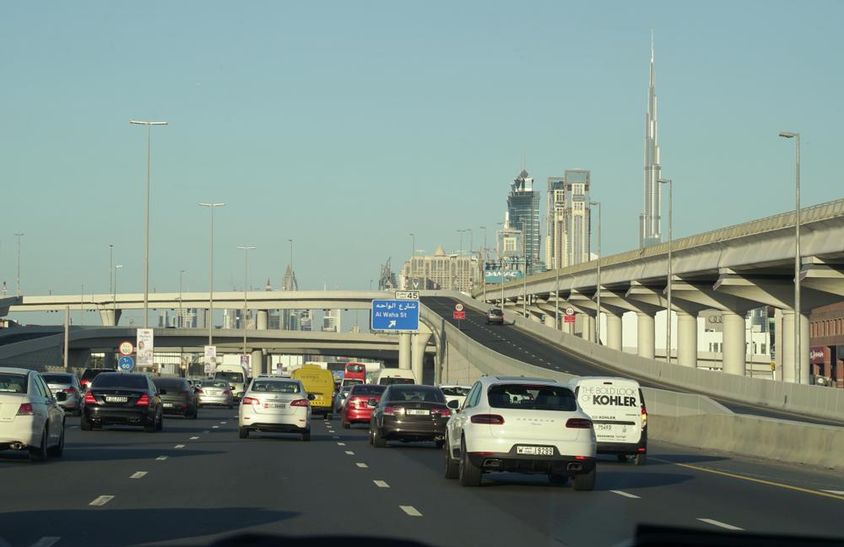
Expressway Improvements in Dubai: 67 Traffic Enhancements in 2025, 45 More Coming in 2026
The development of transportation infrastructure in the city of Dubai never stops – this was once again proven by the city's transportation authority (RTA), which implemented a total of 67 traffic improvement measures in various key areas across the city in 2025. The program aims to reduce travel times, increase road network capacity, and promote safer, smoother traffic across the emirate. Based on the success of the projects completed in 2025, another 45 interventions are planned for 2026, including expanding intersections, optimizing entrances and exits in residential areas, and further developing school zones.
2025: Efficiency, Speed, Safety
Out of the 67 measures implemented, 46 were carried out at key junctions along major arterial roads and in residential areas, 12 specifically in school zones, and another 9 in developing areas. These so-called 'expressway solutions' not only helped to reduce congestion but also significantly improved the overall performance of the road network.
The RTA's comprehensive strategic plan aims not only to optimize vehicular traffic but also to adapt the entire transportation system to the city's rapidly growing population and vehicle fleet. The results are remarkable: in the affected areas, travel time decreased by up to 45%, while vehicle capacity increased by 33% on certain sections.
Key Areas Where Changes Occurred
The interventions affected numerous important districts and transport corridors. Highlighted areas include Al Warqa’a, Al Barsha South, Nad Al Hamar, and Al Ras, as well as the following main roads:
Sheikh Zayed Road, Al Meydan Street, Emirates Road (towards Sharjah), Umm Al Sheif Street, Al Wasl Street, Ras Al Khor Road, Sheikh Zayed bin Hamdan Al Nahyan Street, Al Manara Street
Among the developments, the expansion of Sheikh Zayed Road towards Al Meydan Street stands out, where the entry section now serves three lanes instead of two. Similarly, the capacity of the Al Meydan bridge was expanded from three lanes to four. The exit lanes from the highway were doubled from one to two, and the connection points between the at-grade road network and the bridge were also improved.
Works at the intersection of Al Wasl Street and Al Manara Street increased throughput capacity by 50%, while waiting times decreased by more than 30%. These changes had a significant impact on local traffic, especially during peak periods.
School Zone Developments: Focus on Safety and Smoothness
The program paid special attention to the development of areas around schools. The RTA implemented 12 traffic improvement interventions around more than 30 schools. The aim was not only to improve transportation efficiency but also to enhance the safety of students and parents. Developments included setting up dedicated parking spaces, optimizing entrances and exits, and implementing traffic calming solutions.
Major school zones affected included:
Al Warqa’a First School Complex, Mizhar First School Complex, Al Qusais School Complex, Al Garhoud educational institutions, Al Safa 1 schools, Zayed Educational Complex (Mizhar 4), Al Barsha South School Complex
These measures led not only to reduced traffic but also contributed to easing parents' morning and afternoon routines.
2026: Further Steps for the Future of Traffic
Plans for next year include at least 45 more transport development projects. The RTA aims to further enhance road connectivity efficiency in commercial and residential areas, as well as in the immediate vicinity of school zones. The projects will include new intersection expansions, curb upgrades, the creation of new exits and entrances, as well as the installation of intelligent traffic control systems.
Adapting to the rapidly developing urban environment, the Dubai transportation authority continuously analyzes traffic data and flexibly responds to the needs of the population. The goal is not just to reduce traffic jams but to create the city of the future: an infrastructure where mobility is fast, safe, and sustainable.
Summary
Dubai's 2025 transportation development program is clear evidence of how to effectively and quickly respond to the dynamically changing needs of a modern city. As a result of the 67 measures, not only did car traffic accelerate and travel times decrease, but road safety for residents - especially school children - also increased. The plans for 2026 will continue this momentum, indicating that Dubai's transportation strategy does not stop: it is characterized by continuous development, intelligent solutions, and planning that prioritizes the interests of the population – now and in the future alike.
If you find any errors on this page, please let us know via email.


