Dubai's Summer Break: Traffic Transformation
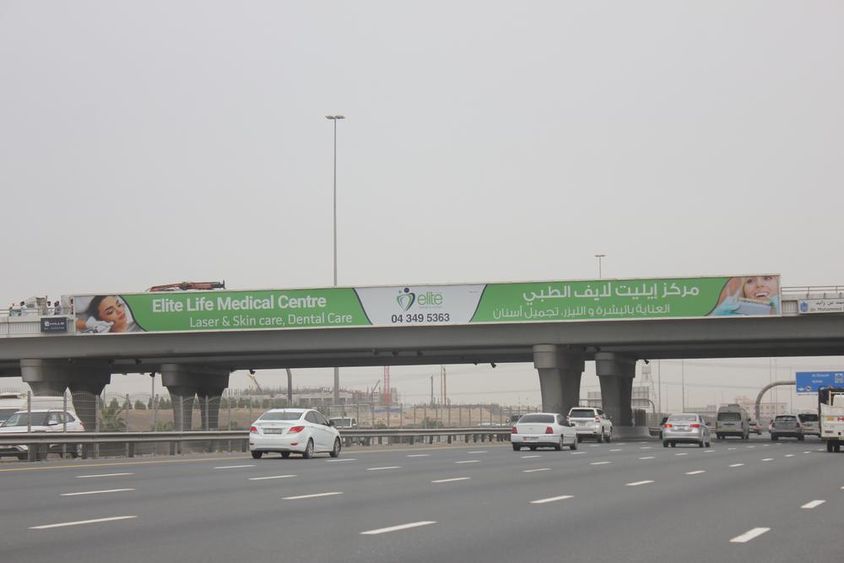
Dubai's Summer School Break Revolutionizes Morning Traffic
Dubai's traffic often serves as a good barometer of city life. When all schools are in session, not only do the roads fill with commuters' cars during the morning and afternoon hours, but also with school buses, parents transporting children, cars stopping near campuses, and the resulting slowdowns. With the start of the summer school break, however, the situation changed almost overnight: traffic significantly decreased in many parts of Dubai, the usual jams eased, and previously nerve-wracking morning commutes became surprisingly quick for many.
The change did not appear as a minor comfort improvement but brought a real life-quality difference according to many residents. Some people found their commute more than halved, while others reported starting their day without stress, creeping along, and constant stops for the first time in a long while. Thus, the summer break brought not only a turning point for schoolchildren and families but also for those who continue to work in the hot months while staying in the city.
The Hidden Weight of School Traffic
Dubai's traffic load is especially visible during the school period. The morning rush is not just about many people heading to work at the same time. It adds extra movements around schools: buses turning into side streets, parents stopping at school entrances, cars lining up for drop-off and pick-up, and this has a knock-on effect on major roads too. Just a few minutes of congestion around each school can be enough to slow longer stretches of road.
The first days of the summer break, therefore, brought such a noticeable difference. As school buses and morning school rides disappeared from the roads, many routes immediately became faster. Previously crowded intersections, streets around schools, and downtown routes became easier to navigate, and travel times on major roads became much more predictable.
A Short Journey That Suddenly Became Truly Short
One of the best examples of the change is the everyday experience of those living around Al Awir. A local resident reported that their workplace is actually close to their home, yet it used to take about 25 minutes to commute, mainly because their route passed by a school during the school term. The congestion wasn't necessarily due to distance but because the morning school traffic restricted commuting options.
With the start of the summer break, the same journey now takes at most 10 minutes. This is a huge difference for a distance that should theoretically be short, but due to daily traffic conditions felt longer than it was. This clearly shows that school traffic in Dubai affects not only the immediate surroundings of schools but the entire daily rhythm. Once this load is removed, it becomes immediately noticeable how much time it previously took away from the city.
Such changes also have psychological effects. It makes a big difference whether someone starts their day with tense creeping or reaches work after a calmer, more predictable journey. Shorter travel times leave more time in the morning, reduce anxiety about being late, and fatigue lessens even before the workday starts.
Huge Differences Between Deira and Al Quoz
Improvements aren't only visible on short journeys. Many have reported striking reductions in travel time along Dubai's internal, longer routes. An employee living near Deira, close to Airport Road, works in Al Quoz. This route can take up to one and a half hours during regular periods, especially in the morning rush. With the summer break start, however, the journey shrank to about half an hour: they left at 7:00 AM and arrived at approximately 7:30 AM.
This difference isn't just a simple comfort improvement but can mean saving up to an hour daily in one direction. For someone commuting on a similar route daily, the summer period can return several hours weekly just by having fewer school and family cars on the roads. In Dubai, where many make long commutes to work, this is especially important.
From a workplace perspective, Al Quoz is a busy area, and Deira is a traditionally densely populated and active district. Commuting between the two isn't just about distance but also about how congested the road network is at that particular time of day. The summer break now demonstrates that the absence of school traffic can bring significant ease even on longer intra-city journeys.
Pressure Also Eased Between Sharjah and Dubai
Commuting between Sharjah and Dubai has long been a separate category in daily traffic. Many live in Sharjah but work in Dubai, so the morning and afternoon commute is often long, unpredictable, and tiring. The usual travel time can easily reach one and a half hours or more, especially when traffic fully slows at specific points.
The start of the summer break brought significant changes to this route too. According to a commuter living in Sharjah, traffic has already been smoother since the previous week, with fewer cars and buses on the roads. Consequently, their commute shortened to about an hour, while previously it could often last longer, and they sometimes had to stand still for half an hour at the same point.
This experience clearly shows that the effect of the summer break doesn't stop within Dubai's borders. Since many move between the emirates daily, the reduction in vehicle numbers is noticeable on a regional level too. With fewer families starting out in the morning, fewer school-area traffic jams occur, and fewer buses run during peak times, the entire traffic chain functions more smoothly.
Summer Trips Also Reduce Traffic
The lighter traffic is not only due to the school break but also because many families travel abroad during this time. Dubai's summer months are hot, so many choose this period for vacations, travel home, or longer getaways. When part of the families is not in the country, this naturally reflects on the roads: fewer cars start out in the morning, fewer rides are related to afternoon programs, and generally lower urban mobility.
This especially benefits those who continue to work in Dubai for most of the summer. Although the heat is greater at this time, the predictability of traffic still significantly improves daily life. The morning start becomes less of a race against time, and the afternoon trip home isn't necessarily accompanied by long creeping.
In the case of Dubai, the traffic rhythm is always closely linked with school, work, and tourist seasons. Therefore, the summer break is not just an educational calendar event but also a turning point in urban traffic. Those who stay during this time often find that the same city suddenly feels more spacious, faster, and less tense.
Fewer Jams, Better Well-Being
Behind shorter travel times, there are not just minutes and kilometers. Traffic stress has a very strong effect on everyday well-being. If someone regularly sits in jams, arrives at unpredictable times, or reaches work already in a tense state, it is tiring in the long run. During the summer break, many find it liberating that this constant pressure disappears.
Smooth-running traffic also means less calculation before departure. Less buffer time needs to be built in, there is less nervous waiting, and it's easier to keep to a daily schedule. In a city where distances are large, workplaces are often in different districts, and commuting between the emirates is also daily, this predictability is of significant value.
The current experiences also highlight the role of school traffic in Dubai's overall traffic. During the school year, many take the morning congestion for granted, but the summer break shows that a significant portion of it is directly linked to school movements. When this layer is removed from the system, the roads of the city instantly breathe easier.
What Does This Mean for Dubai's Future?
The summer break is a temporary state, and with the resumption of the school year, traffic is expected to become dense again. Still, it provides an important lesson: school logistics are a key issue in Dubai's traffic. If the city wants to reduce morning congestion long-term, traffic management around schools, bus route efficiency, parent drop-off and pick-up management, and more flexible working hours could all be areas that bring substantial change.
Therefore, the current period is not just a pleasant summer relief but a living example of how much difference the disappearance of a few traffic factors can make. Dubai is a rapidly growing, dynamic city where traffic always adapts to the rhythm of life. The summer school break has shown that if fewer vehicles set out simultaneously in the same direction, it not only reduces road loads but also noticeably improves the daily lives of city dwellers.
For those staying in Dubai during the summer months, this period means both hotter days and easier mornings. While the heat rises, the increased predictability of traffic provides many with real relief. Fewer jams, shorter journeys, calmer starts, and less stress: the summer break once again reminds us that Dubai's traffic is shaped not only by the number of roads but by the city's daily habits.
If you find any errors on this page, please let us know via email.


