Dubai's Palm Jumeirah Drone Attack Impact
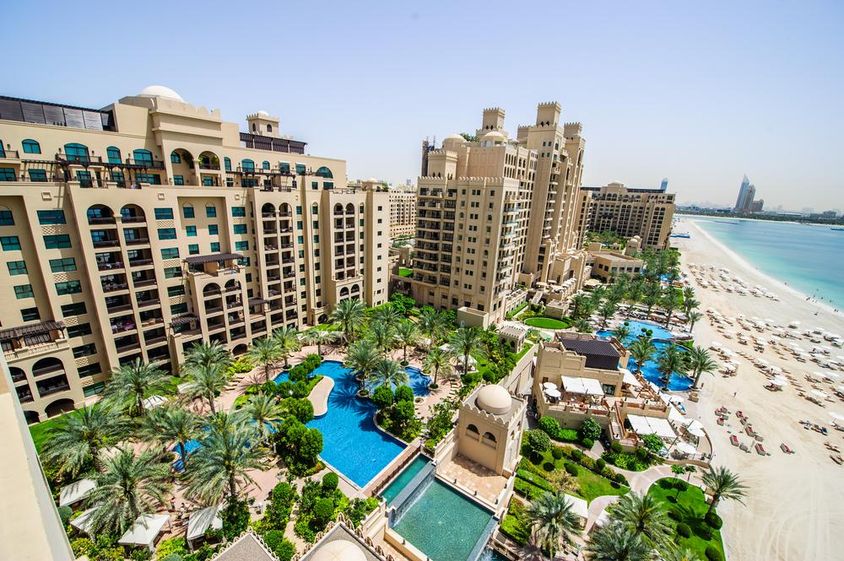
Iranian Suicide Drone Attack on Dubai: Iconic Palm Jumeirah Hotel Hit
The security landscape in the Middle East has reached another turning point when an Iranian-origin suicide drone struck one of Dubai's most famous tourist areas, the luxury hotel located in Palm Jumeirah. The news of the attack quickly spread through the international media, particularly because the United Arab Emirates has so far been considered one of the region's most stable and safest countries. According to official reports, four people were injured, and fire and smoke billowed into the sky at the site within a short time.
The events are part of a broader regional conflict that escalated following Tehran airstrikes by the United States and Israel. In response, Iran launched rockets and drones against multiple targets, including American military bases and several countries in the region. The attack on Dubai is part of this wave, which is a surprising and concerning development for many.
The Symbolic Significance of Palm Jumeirah
The Palm Jumeirah is not just a man-made island but has become one of Dubai's most famous symbols. The palm tree-shaped island has become an icon of modern urban planning and luxury tourism over the past decades. The hotels located on it are globally known destinations for tourists and business travelers.
The fact that such a frequented and high-profile location was hit goes beyond material damage. The attack carries a symbolic message: it suggests that the conflict is no longer limited to military objects but can also affect economic and tourism infrastructure. Tourism is a cornerstone of Dubai's economy, so such events pose serious reputational and financial risks.
Circumstances and Consequences of the Attack
Footage quickly spread on social media showing one wing of the hotel in flames while thick black smoke rose above the building. According to official information, four people were injured, with no reports of casualties. Rescue units immediately evacuated to the site, and the fire was localized within a short time.
These types of suicide drones are typically one-time-use devices loaded with explosives that can be delivered from great distances. They are considered one of the most difficult tools of modern warfare to intercept, especially if arriving at low altitudes from unexpected directions. The attack highlights the need for air defense systems to continually adapt to new threats.
Dubai and the United Arab Emirates have invested significant sums in defense infrastructure in recent years. Nonetheless, such an incident shows that the impacts of conflicts in the region can reach even those countries that have so far managed to maintain a relative distance from direct combat.
Regional Escalation and Geopolitical Tension
The attack cannot be understood as an isolated event. Explosions, rocket strikes, and drone sightings have been reported in several countries in the region. The targets of the retaliatory attacks included military facilities, bases, and strategic infrastructure.
The geopolitical situation is particularly sensitive, as the interests of several great powers intertwine in the region. Such an incident can easily lead to further escalation, which can have not only military but also economic consequences. The oil market, air travel, international insurance premiums, and tourism all react sensitively to uncertainty.
Dubai acts as a global hub: its airport is among the busiest in the world, its ports are of strategic importance, and its financial sector is a regional center. Therefore, such an attack is not just a local matter but an event of international concern.
The Reaction of the Population and Tourists
For the residents and tourists in the city, security has been an essential given so far. For a long time, Dubai has been considered a haven of stability in the Middle East. However, such an incident can shake this feeling, even if the authorities responded quickly and efficiently.
For hotels and tourism service providers, their most critical task now is to restore trust. Communication, transparency, and enhanced security measures play a crucial role in ensuring that visitors continue to view the city as a safe destination.
Economic and Strategic Consequences
The impact of such attacks goes beyond immediate damage. Insurance premiums may rise, investors may become more cautious, and airlines could temporarily modify their routes. Financial markets may show volatile reactions in the short term, especially if the conflict involves additional countries.
However, Dubai has previously demonstrated adaptability. The city administration has rapid crisis management mechanisms and significant reserves to handle such challenges. The question rather is how prolonged the regional tension will be and whether diplomacy can prevent further escalation.
Security Policy Lessons
The drone attack is a clear warning that the front lines of modern conflicts are becoming blurred. Besides traditional battlefields, urban infrastructure, tourist centers, and civilian facilities may also become targets.
For the United Arab Emirates, it is now crucial to strengthen air defense systems, enhance regional cooperation, and actively use international diplomatic channels. For Dubai, the most significant challenge is to maintain the image it has built over years: that of a city of modernity, security, and stability.
The attack on Palm Jumeirah is not just an isolated incident but part of a broader geopolitical game. The coming weeks and months will determine if this event remains a short but intense episode or signifies the beginning of a longer, more unpredictable period for the region.
If you find any errors on this page, please let us know via email.


