Dubai's New Road Network: Livable and Efficient
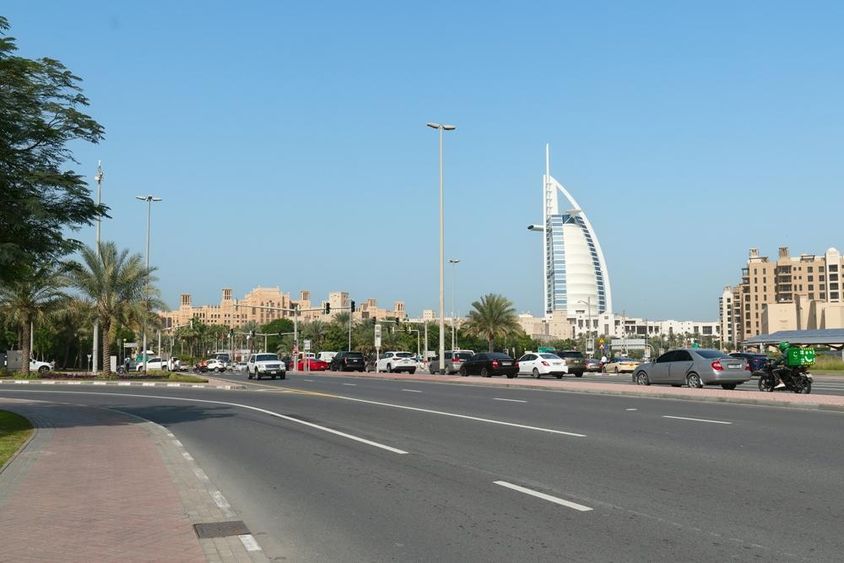
New Road Network Developments in Dubai: Faster Transport, More Livable City
In recent years, Dubai has become known not only for its spectacular constructions and record-breaking projects but also for its ability to continuously adapt to the growing population and the increasingly complex challenges of urban life. One of the most important areas in this regard is the development of transportation infrastructure. The latest investments clearly show that the city's leadership is not just reacting to problems but thinking ahead.
Thanks to the latest road network developments, transportation in 18 different residential areas in Dubai has significantly improved, with travel times reduced by as much as 40% in some places. This advancement is not only measurable in numbers but also brings a substantial change in the quality of everyday life.
The Price of Growth: Increasing Traffic
Dubai is a continuously growing city. New residential neighborhoods, business centers, and tourism investments attract more and more people, naturally impacting the transportation network. The city's development does not stop, so the infrastructure must keep pace with this speed.
In recent times, there have been several residential areas where transportation became cumbersome, especially during peak hours. Narrow roads, inadequate connections, and previously undeveloped road sections all contributed to congestion. The current developments directly address these issues.
13 Kilometers of New Connections: More Than Just Road Construction
The project includes a total of 13 kilometers of new road sections and connections, but it's about much more than just paving. The developments take a complex approach to address transportation issues.
Alongside the new roads, parking spaces have been created along the roads, significantly reducing problems caused by illegal parking. Sidewalks have also been constructed, enhancing pedestrian safety and encouraging walking for shorter distances. Modern street lighting makes nighttime travel safer.
Paving previously unpaved roads was a particularly important step. These road sections often hindered traffic, were dusty, and difficult to navigate during rain. The new paving improves the travel experience and reduces vehicle wear and tear.
18 Districts, One Common Goal
The developments affected 18 different districts, including well-known and densely populated areas such as Al Barsha, Jumeirah, Al Satwa, and Mirdif. These neighborhoods have different characters but share a common need for efficient transportation.
The new road connections allow residents to reach major transportation routes more quickly and easily from their homes. This not only saves time but also reduces stress and enhances quality of life.
It is important to note that the developments do not only focus on drivers. The improvement of pedestrian infrastructure and increased safety clearly indicate that Dubai aims to create a more balanced transportation system in the long term.
Up to 40% Time Savings
One of the most striking results is the reduction in travel time. In some areas, travel has become up to 40% shorter, a significant change in the life of a metropolis.
In practice, this means that daily commutes take less time, allowing more time for family, relaxation, or even work. It's also advantageous for businesses, as faster transportation enables more efficient logistics and more predictable operations.
Moreover, reduced traffic congestion positively impacts the environment. Vehicles spend less time in slow-moving traffic, reducing emissions and improving air quality.
Laying the Foundations for the City of the Future
Dubai's undisguised goal is to become one of the world's most advanced and livable cities. However, this requires more than just a series of spectacular buildings and innovative projects. Infrastructure, which forms the basis of everyday life, is equally important.
Road network development plays a key role in this. Well-designed roads not only make transportation faster but also contribute to the functioning of the economy and social well-being.
This current project fits well into a long-term strategy built on sustainable and efficient mobility. The goal is not only to solve present problems but to create a system capable of serving future needs as well.
Continuous Development, Continuous Adaptation
The urban environment is constantly changing, and with it, transportation demands are also evolving. Recognizing this, Dubai's leadership focuses not on one-off investments but on continuous development.
Projects like this show that the city can respond quickly to challenges while planning for the long term. This dual approach allows Dubai not only to keep pace with development but often to lead it.
The development of transportation infrastructure is not spectacular in the classic sense, yet it is one of the most important factors in the functioning of a city. New roads, better connections, and reduced travel times all contribute to making Dubai increasingly livable.
Conclusion: Small Changes, Big Impact
While an individual new road section may not seem like a revolutionary innovation, these developments have a significant impact at the systemic level. Better transportation, quicker journeys, and safer roads all contribute to a more comfortable and efficient lifestyle for city residents.
Dubai's example clearly shows that successful urban development consists not only of grand projects but also of small, well-considered steps that have a palpable impact on everyday life. Road network development is just such a step—less visible, but equally important.
If you find any errors on this page, please let us know via email.


