Dubai's New Bridge Eases Traffic Congestion
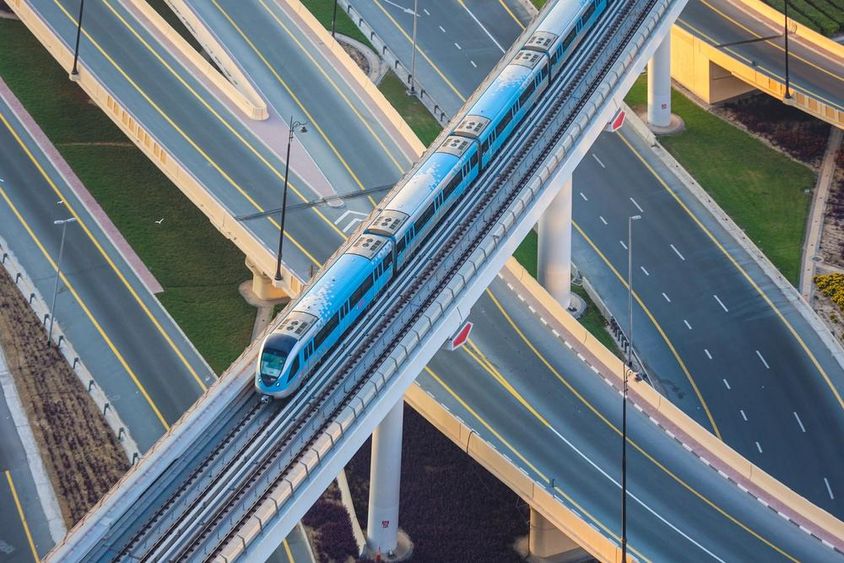
New Four-Lane Bridge Opens on Al Qudra Road in Dubai – Faster Travel, Less Congestion
Dubai's transport infrastructure has reached another milestone: a new four-lane bridge has opened at the intersection of Al Qudra Road, Arabian Ranches, and Dubai Studio City. This project is part of the Roads and Transport Authority (RTA)'s comprehensive development program aimed at modernizing and expanding key junctions along Al Qudra Road. The newly completed bridge and associated roadways aim not only to speed up traffic but also to serve the city's growing population.
Why is this development important?
Al Qudra Road has long been a crucial artery in the transportation network of Dubai's western and southern residential areas. The neighborhoods of Arabian Ranches, Dubai Motor City, Dubai Studio City, DAMAC Hills, Mudon, and The Sustainable City are all development zones with dynamically growing populations and vehicle fleets. The new bridge, which is 600 meters long and provides four lanes (two lanes in each direction), increases the traffic capacity by 191 percent: it can now handle traffic at a rate of 19,200 vehicles per hour, compared to the previous capacity of 6,600 vehicles per hour.
The most striking result may not be this increase but the dramatic reduction in waiting time: the waiting time at the junction has been cut from 113 seconds to just 52 seconds, representing a 55 percent improvement.
Next steps in the development
The project does not stop with the newly opened bridge. Another, 700-meter long bridge is set to open on February 15 at the intersection of Al Qudra Road and Sheikh Zayed bin Hamdan Al Nahyan Street, providing two lanes in each direction. This structure will serve the northern side while construction continues on the southern (right) side. The goal is for smoother traffic flow from Al Qudra City and towards the Sheikh Mohammed bin Zayed Road.
Comprehensive network expansion
The project includes a total of 2,700 meters of new bridge sections and 11.6 kilometers of refurbished and expanded roads. The entire system is expected to reduce travel time by 70 percent, meaning the current 9.4-minute crossing time will be reduced to just 2.8 minutes. This is especially important for those commuting daily from the aforementioned neighborhoods to Dubai's downtown and back.
Junction developments – new directions, greater capacity
One of the most complex parts is the transformation of the junction at Al Qudra Road and Sheikh Zayed bin Hamdan Al Nahyan Street. A new, 700-meter bridge is being constructed to provide four lanes in each direction for traffic. Additionally, ramps with two lanes each will facilitate directional changes without obstructing the main traffic flow.
Another new bridge, 500 meters long, allows traffic coming from Al Qudra Road to be redirected onto Sheikh Zayed bin Hamdan Al Nahyan Street towards Jebel Ali. Additionally, a 900-meter bridge will serve those heading towards the city center or Dubai International Airport from Al Qudra Road.
The development also includes a 3 km long service road on both sides of Sheikh Zayed bin Hamdan Al Nahyan Street, providing direct connections to nearby development projects.
Direct impact on traffic
After the reconstruction of the junction, the traffic capacity will increase from 7,800 vehicles per hour to 19,400 vehicles per hour, while the waiting time will fall from the current 393 seconds to 60 seconds – an 85 percent improvement.
New roads, new opportunities
The development of Al Qudra Road not only expands existing road sections but also includes the construction of a completely new 4.8-kilometer road towards Emirates Road, establishing a direct connection with development zones in the southern part of the city. The project significantly improves access to the Town Square Dubai, Mira Developments, and DAMAC Hills 2 residential areas.
Furthermore, new lanes will open on both sides of Emirates Road with a total length of 4.8 kilometers, further enhancing connectivity among the region's development projects.
Summary
Dubai's transportation development projects have entered a new dimension with the bridges and road constructions completed on Al Qudra Road. The new infrastructure aims not only to relieve congestion but also serves as a cornerstone of the city's fast, smooth, and safe transport system in the long term. The project led by RTA sends a clear message: Dubai is not only the city of the future but also of the present – with a modern, adaptive, and resident-friendly transport system.
Closing remarks
For drivers, residents, and commuters, these developments bring tangible improvements to daily travel. Faster crossings, reduced waiting times, and increased capacity all contribute to ensuring Dubai's dynamic growth does not come at the cost of transportation. Such infrastructural projects strengthen the city's position not only in the Middle East but also globally as a model city of the future.
If you find any errors on this page, please let us know via email.


