Dubai's Metro Gold Line and Housing Revamp
How Dubai Metro Gold Line Revolutionizes Housing Decisions
A New Era in Urban Transportation
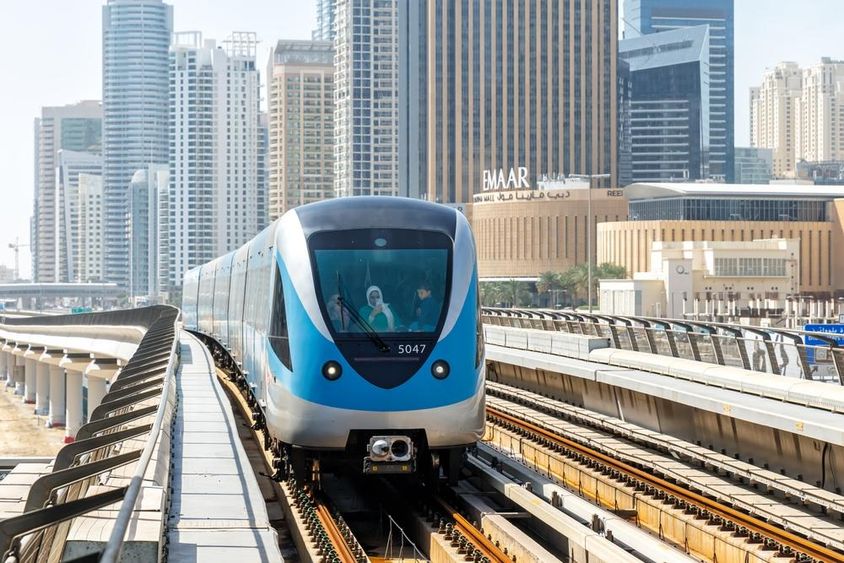
Dubai's growth has always been closely intertwined with its transportation infrastructure, and in recent years, this relationship has undeniably reached a new level. The expansion of public transport is no longer just a matter of convenience but a strategic tool that has a direct impact on the real estate market and residents' decisions. The planned Dubai Metro Gold Line is one of the most crucial elements of this transformation, representing not only new routes but also a completely new mindset in organizing life within the city.
In previous years, many residents were certain of one thing: a central location trumped everything else. Due to long commutes, unpredictable traffic, and car dependency, many preferred paying higher rents just to stay closer to their workplaces. However, this logic is gradually changing.
Redefining the Concept of Location
With the emergence of the Gold Line, the concept of a "good location" takes on a whole new meaning. It is no longer sufficient for an area to be prestigious. The decisive factor increasingly becomes how well it connects to the city's circulatory system.
In modern urban life, accessibility becomes a key factor. A residential district with a direct metro connection becomes much more competitive, even if it is geographically further from the classic central zones. This is particularly true for young professionals and families who want to simplify their daily routines.
Thus, the quality of transportation links is increasingly valued, often overriding traditional prestige-based decisions.
Newly Appreciated City Parts
History has shown numerous times that a new metro line can change the fate of entire city districts. After the introduction of the Red and Green lines, several areas previously considered peripheral have significantly appreciated.
A similar process is expected with the Gold Line, but on a larger scale. Neighborhoods that seemed too far or difficult to access suddenly become attractive alternatives. Better accessibility not only increases the number of residents but also brings new services, shops, and community spaces.
In the long run, this process can result in a more balanced urban structure, where development is not concentrated solely in a few highlighted areas.
Balance of Rent and Quality of Life
One of the most interesting changes can be observed in residents' thinking. More and more people are willing to compromise between location and price if they receive a better quality of life in return.
The Gold Line allows someone to live in a farther, yet more spacious and affordable home while keeping daily commute time still acceptable. This is particularly important for those starting a family or seeking a larger living space.
Thus, the decision is no longer solely a financial one but also a lifestyle choice. People start to think more consciously about the kind of environment they want to live in and how they want to spend their everyday lives.
The Impact of Transport on Daily Routine
Reliable public transport not only reduces travel time but also makes daily life more predictable. This stability becomes a crucial factor, especially in a dynamically developing city like Dubai.
Thanks to the Gold Line, more and more people can plan their day without worrying about traffic-induced uncertainties. This not only saves time but also mentally unburdens residents.
Predictable transportation affects work, leisure time, and family life as well. In fact, a well-organized transportation system becomes one of the cornerstones of quality of life.
The Changing Role of Cars
One of the Gold Line's largest impacts may be seen in the reduction of car usage. Although Dubai has been a heavily car-centric city, the expansion of the metro network offers new alternatives.
An increasingly realistic possibility for many residents is a car-free lifestyle. This not only means cost savings but is also beneficial from an environmental standpoint. Reduced parking issues, less traffic, and cleaner air all contribute to a more livable city.
However, this change does not occur overnight. The Gold Line will act as a catalyst for a longer process that gradually transforms transportation habits.
Foundations for Future Urban Life
The Gold Line is expected to begin operations around 2032, but its impact will be felt much earlier. The real estate market is proactively reacting, developers are launching new projects, and residents start thinking long-term.
City development increasingly organizes around networks. It will not matter as much exactly where someone lives, but rather how quickly and effectively they can get anywhere.
This shift in perspective fundamentally transforms Dubai's future. The Gold Line is not just a new metro line but a tool redefining the possibilities of urban living, creating a more flexible, livable environment for residents.
Summary: Decisions Guided by New Logic
The transformation of the Dubai real estate market and housing habits has already begun, and the Gold Line can significantly accelerate this process. The focus shifts from prestige to accessibility, while residents are increasingly conscious of balancing price, convenience, and quality of life.
In the future, truly valuable areas will be those that are not only attractive in themselves but are integral parts of a well-functioning transportation network. This change will have significant economic and social impacts on Dubai's development.
If you find any errors on this page, please let us know via email.