Dubai's Gastronomy on Pause: Atlantis Reimagined
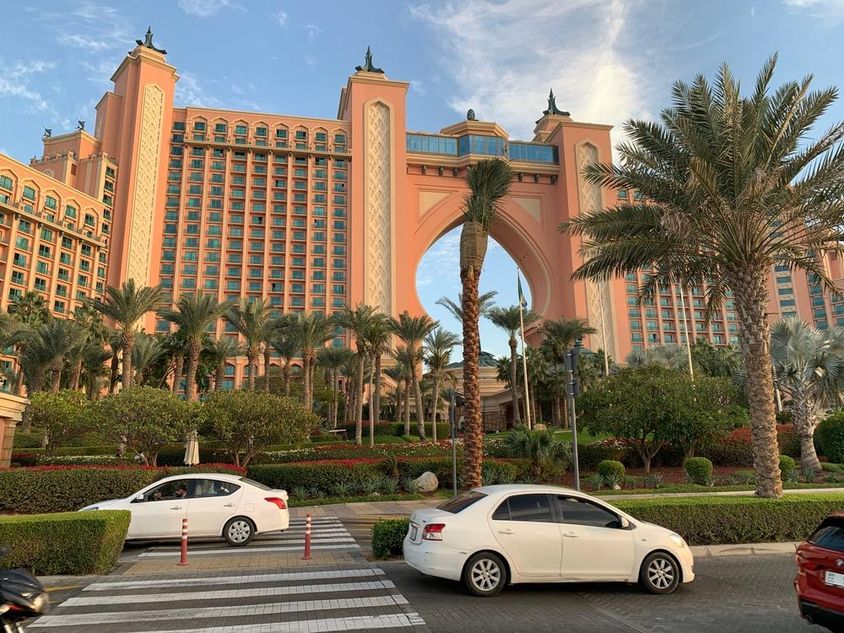
Temporary Halt in Top-tier Gastronomy: What's Happening with Atlantis Dubai Restaurants?
In recent times, there have been increasing indications that Dubai's hospitality industry is not only in a growth phase but also in a conscious transformation phase. One of the most recent examples of this is that Atlantis Dubai has temporarily suspended the operations of several of its key restaurants, both in Atlantis The Palm and Atlantis The Royal. Although such a decision might initially seem surprising for such a popular destination, it is actually a conscious strategic move aimed at enhancing the guest experience in the long run.
Why have these restaurants been closed?
The decision is not due to downturns or problems but quite the opposite: adapting to the changing demands of guests. Dubai's tourism is developing dynamically, the expectations of visitors are continuously rising, and competition in the luxury category is becoming increasingly intense. In this environment, service providers not only need to maintain the existing standard but must also continually innovate.
The temporarily closed locations include several globally known restaurants that have been a crucial part of the resort's gastronomic offerings. These pauses create opportunities to develop new concepts, refresh menus, modernize interiors, and enhance experiences.
The Possibility of Renewal: More than Just Renovation
The current steps are not merely about maintenance work. The goal is a comprehensive rethink which includes:
Introducing new gastronomic directions, creating more spectacular and experience-based concepts, deeper analysis of guest behaviors and preferences, developing complete resort-level programs and events.
This strategic approach clearly shows that Dubai not only follows global trends but often sets them.
The Operating Restaurants Remain Strong
It's important to emphasize that the closures are only partial, and a significant portion of the resort's restaurants continue to operate at full capacity. Popular venues like beachfront restaurants, fine dining units, and family concepts continue to operate with high attendance.
This indicates that demand has not decreased; in fact, it remains strong. Guests are present, they spend, and are looking for unique experiences. The current transformations are more about fine-tuning the offerings rather than crisis management.
Broader Trend: Dubai Hotels are also Renewing
Atlantis Dubai's move is not an isolated phenomenon. Several premium hotels have recently followed a similar strategy. For example, the Armani Hotel Dubai temporarily closed for full renovation, while the Park Hyatt Dubai entered the final phase of a comprehensive development program.
Other hotels, such as St Regis The Palm or Radisson Blu Hotel Dubai Media City, have also announced partial or complete pauses in certain services.
This trend clearly demonstrates that Dubai's hospitality industry has entered a new cycle: a period of continuous developments and renewals.
What's Behind this? Competition and Experience-Based Tourism
One key element of the Dubai model is the experience. A beautiful hotel or a good restaurant isn’t enough – a complex, memorable experience must be provided. Today, guests not only want to dine but are also looking for stories, ambience, and unique atmospheres.
This is especially true in the luxury segment where competition is global. A resort in Dubai competes not only with local market players but also international destinations such as the Maldives, Singapore, or Monaco.
Accordingly, service providers must continuously innovate to remain relevant.
What does this mean for guests?
In the short term, visitors may experience some restrictions as certain restaurants are not available. However, the offerings remain tremendously diverse, and the resort complex continues to be one of the world's most varied gastronomic centers.
In the long term, a clearly positive effect is expected. After reopenings, guests can:
Encounter updated menus, try new concepts, dine in more modern and spectacular environments, enjoy an even higher level of service.
This kind of cyclical renewal helps Dubai consistently remain at the forefront globally.
When will they reopen?
Specific dates have not yet been publicized. The timing of the reopenings depends on several factors:
Developments in guest traffic, market trends, progression of developments, seasonal demand.
This allows for a flexible approach to ensure that the restaurants return in the best possible condition.
Summary: Conscious Pause for a Stronger Future
Atlantis Dubai's decision clearly illustrates that Dubai's hospitality industry is not afraid to pause from time to time, only to return even stronger. The temporary closures are not about weakness but strategic thinking.
The goal is clear: to adapt to ever-changing demands, to maintain a premium position, and offer experiences that keep Dubai among the world’s most sought-after destinations.
This kind of mindset is what ensures the city's success in the long term—not only from a tourism perspective but gastronomically as well.
If you find any errors on this page, please let us know via email.


