Dubai's Festive Parking and Transport Benefits
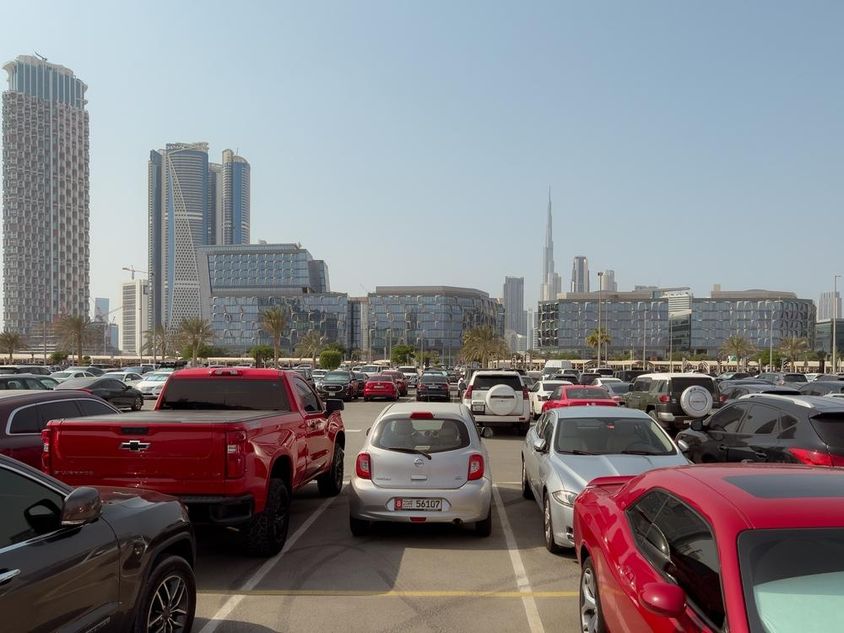
Free Parking and Festive Transport in Dubai: Eid Al Fitr 2026 Once again, Dubai is preparing for one of the most significant religious festivals with a decision that simplifies daily life and enhances the urban experience. Eid Al Fitr brings a special atmosphere to the city every year, but in 2026, changes to transportation and parking regulations deserve special attention. Relevant authorities have announced that from the first day of the festival, parking will be free for three days at most public spaces, while the entire public transport system will operate on a modified schedule. This combination not only eases life for locals but also benefits those who wish to explore the city, visit family, or simply enjoy the festive mood. What does the three-day free parking mean in practice? The essence of the measure is simple yet has a significant impact: for three days starting from the first day of Eid Al Fitr, most public parking spaces can be used free of charge. The only exception is multi-story car parks, where regular fees remain in effect. This decision is particularly important in a city where parking is often not just a cost but also a logistical challenge. The free period allows people to move more freely, without constantly monitoring parking times, and to plan their daily activities more calmly. In practice, this means easier parking at several points in the city – shopping districts, residential areas, central locations. This is particularly advantageous during holiday visits, when traffic also increases. The timing of the festival and its uncertainty The start of Eid Al Fitr each year depends on moon observation, so its exact date is not set in advance. In 2026, the festival is expected to fall on March 19 or 20, depending on when the thin crescent moon appears in the sky. This uncertainty also appears in daily planning. Businesses, transport providers, and residents all prepare flexibly, as the final date only becomes official at the last minute. However, this is an accustomed situation in Dubai's operations, and the system handles this flexibility well. Modified schedules: the city's rhythm transforms During the festival, not only parking changes but the entire transport infrastructure adapts to varying demands. The metro and tram operate for longer hours, allowing people to travel comfortably until late evening or even overnight. The metro's red and green lines run from early morning to the next dawn for several days, which is particularly beneficial for those choosing evening activities. The tram operates similarly with extended periods, better connecting different parts of the city. This kind of flexibility shows that Dubai's transport system is not static, but can quickly respond to changing needs. Bus services: alternative routes and modifications During the holiday period, there are several changes in bus services too. Some lines temporarily suspend, while others operate on modified routes or with different starting points. A particularly crucial change is that some buses heading towards Abu Dhabi do not depart from the usual stations. This means passengers need to plan ahead and check current information to avoid inconveniences. However, the system offers alternative solutions, ensuring the continuity of transport is not disrupted, only transformed. Service centers and testing bases closed Several official services are suspended during the festival. For example, vehicle testing centers are completely closed from the first days of Eid. This means anyone planning such administration should schedule in advance. Services resume only after the holiday, and even then gradually. This represents a form of natural slowdown in the city's operations, which fits well with the spirit of the holiday. Customer service: partial operation Most customer service centers also remain closed; however, some key locations operate continuously. These units are accessible day and night and ensure that help is available for crucial matters. During such times, the role of digital and smart service points becomes particularly valued. Automated systems make it possible for many services to remain accessible without physical presence. What does this mean in everyday life? The Eid Al Fitr period in Dubai is not just a religious celebration but a kind of urban reorganization. The rhythm of traffic changes, services adapt, and people use the city differently. Free parking, for example, may encourage car traffic, while the extended metro and tram schedule offers an alternative for those wishing to avoid traffic. It is a balanced system where everyone can find the most convenient solution. A Well-Organized City's Festive Operations What is truly remarkable is the level of organization. Dubai is capable of synchronizing such a complex system – parking, public transport, services – for a few days without descending into chaos. This type of operation is not coincidental. The city has been building the infrastructure and digital backbone for a long time that allows quick adaptation. The festive period thus does not constitute a problem but rather an opportunity for the system's flexibility to shine through. Summary: Freedom, Flexibility, and Experience Eid Al Fitr 2026 in Dubai is not only a religious event but a time when the city shows a slightly different face. Free parking, flexible transport, and modified services all intend to help people experience the holiday more calmly, without stress. Anyone in Dubai at this time can experience a unique balance: the modern urban operation and festive slowdown coexist. And perhaps, this is what makes this period so special.
If you find any errors on this page, please let us know via email.


