Dubai's Bold Green Vision: 2030 Plans
Dubai's Green Vision: 1.5 Million Trees, New Beaches, and Human-Centric Urban Planning by 2030
Dubai once again proves that the cities of the future are not just about skyscrapers, technology, and infrastructure, but equally about integrating nature, renewing community spaces, and enhancing human quality of life. The 'Blue and Green Spaces Roadmap 2030' is a comprehensive urban development strategy centered on nature and community, with over 4 billion dirhams in investment.
The Future City Thinks in Green and Blue
The 2030 roadmap announced by the Dubai Municipality was introduced at the World Governments Summit, embodying an entirely new city planning philosophy. The project's goal is for Dubai to become one of the most livable and sustainable cities in the world, where nature is not a background element but an active and integrated part of the infrastructure. This mindset significantly goes beyond traditional urban planning: beaches, parks, sports fields, green corridors, and waterfront spaces form a unified system.
1.5 Million Trees, 120 New Parks, 200 Sports and Recreational Spaces
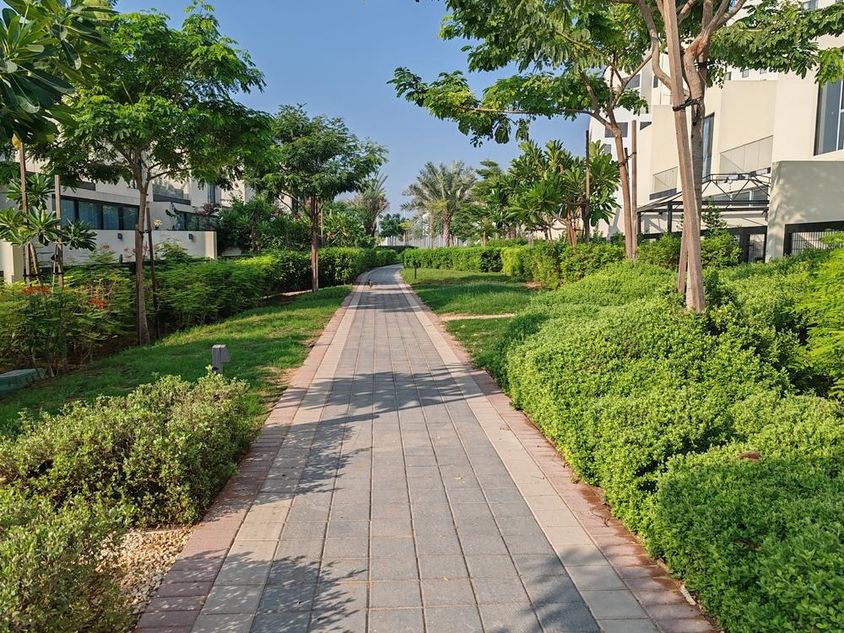
The ambitious plan aims to plant more than 1.5 million trees over five years, significantly improving air quality and reducing the urban heat island effect. Nature is not just a decorative element but a key player in climate adaptation efforts. The 120 new parks will span approximately 3 million square meters, while the 200 sports and recreational spaces will integrate seamlessly into the green network.
Beaches and Waterfronts in a New Role: Urban Life Centers
Dubai’s new vision treats beaches and waterfronts not just as seasonal entertainment options but assigns them a central role in social, recreational, climatological, and ecological aspects. More than 15 major projects will be launched for revitalizing the coastlines, with three new beach sites opening annually. The number of beachgoers could significantly increase as capacity will expand by 150 percent, while promenades, running tracks, and cycling paths will grow by 285 percent.
Community and Livability at the Center
One of the most critical aspects of the project is its human-centric approach to urban development. The aim is not just to execute spectacular investments but to ensure that each element serves the needs of residents, visitors, and tourists. Nature-close spaces, community experiences, and an environment encouraging an active lifestyle all contribute to making Dubai truly the 'best city in the world to live and work'.
Setting a Global Example
Dubai has long strived to become a global benchmark in urban sustainability. The newly presented roadmap brings change not only locally but also offers a model that other cities can adopt. Public spaces, beaches, and parks are no longer isolated projects but integrated infrastructure elements that become part of the city's lifeblood.
Aligning with Sustainable Development Goals
The 2030 Blue and Green Spaces Roadmap closely aligns with the United Nations Sustainable Development Goals. It supports climate-conscious urban planning, increases the city's resilience to climate change, and creates a healthy urban environment. Community spaces not only serve an aesthetic function but provide real environments for interpersonal connections and active living.
Summary: Dubai as a Green Model for the Future
The 2030 plan clearly marks the path that Dubai intends to follow over the next decade. The harmony of nature and humans, the creation of a sustainable and livable cityscape, and the prioritized treatment of community spaces all contribute to Dubai's leading role globally, not only economically but also ecologically and socially. The project fundamentally changes not only the city’s landscape but also the everyday lives of its residents, making it more livable, healthier, and more cohesive.
If you find any errors on this page, please let us know via email.