Dubai's Blue Line: A Commuting Game-Changer
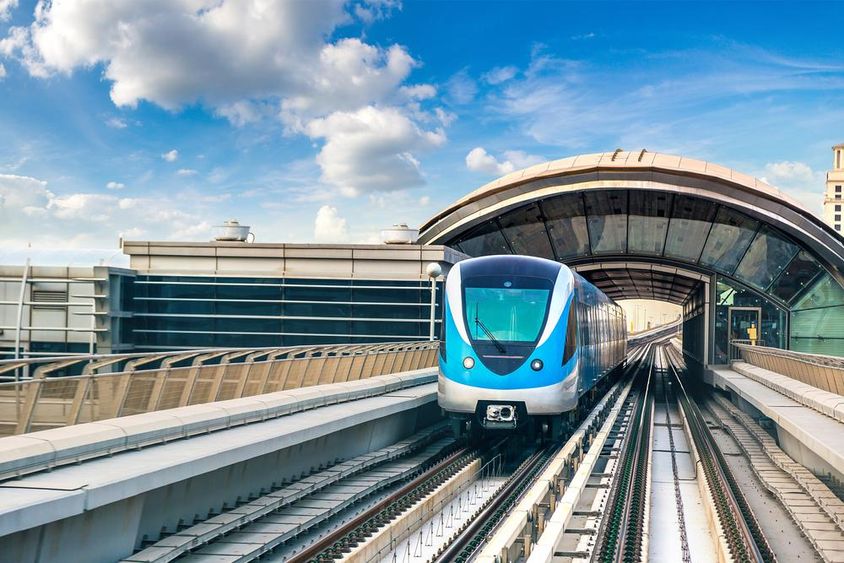
Dubai Metro Blue Line may revolutionize commuting
Dubai's transportation system has experienced impressive development over the past years, but the city's continuous growth means that an increasing number of residents are facing long and unpredictable travel times daily. For those living in the outer districts, the morning and evening rush hours have become not just an inconvenience but one of the biggest sources of daily stress. This is why the Dubai Metro Blue Line project, which has already commenced construction, is generating enormous interest and could bring significant changes to urban transportation.
The new metro line could be particularly groundbreaking for those living around International City, Warsan, or Dubai Silicon Oasis. These areas have undergone rapid development recently, but in many cases, the transportation infrastructure has not kept pace with the growing population. As a result, many people spend one and a half to two hours commuting to and from work daily.
Long commutes are one of Dubai's biggest issues
Dubai has long operated as a city built around car transportation, but over the past decade, the importance of developing public transport has become increasingly prominent. The Metro Red Line and Green Line have already made life easier for many people, but several densely populated districts still lack direct metro connections.
International City, for instance, is one of the most well-known areas where many people live, yet they often need a bus connection to reach the nearest metro station. This not only takes time but also makes daily routines unpredictable. The crowded buses, traffic jams, and transfers contribute to making commuting extremely exhausting.
Many currently start their mornings knowing that the first leg of their journey will be a significant challenge. Waiting for a feeder bus can take 20-30 minutes, followed by a long metro ride through multiple stations. By the time someone reaches DIFC, Deira, or Jebel Ali, they are often already worn out.
The Blue Line could bring real change
One of the biggest advantages of the Dubai Metro Blue Line is that it provides a more direct connection to those districts currently reachable only through complicated transfers. The new line is expected to significantly reduce travel time, with some residents estimating their daily commute could be shortened by 30-40 minutes.
This may not sound like a huge difference at first, but on a daily basis, it could mean a substantial improvement in quality of life. If someone spends an hour less traveling daily, that's five hours a week and several hundred hours gained annually.
The Blue Line not only promises faster travel but also more predictability. Many residents currently leave home much earlier than necessary because they are unsure of how long the journey will take. An accident, congestion, or crowded bus can immediately disrupt the daily schedule.
In contrast, the metro offers a more stable mode of transportation. There are no traffic lights, roadblocks, or jams, making daily routines far more predictable.
It could also impact car travel significantly
Dubai's ongoing major issue is rush hour traffic. Major routes like Sheikh Mohammed bin Zayed Road, Al Khail Road, and Ras Al Khor Road are regularly overloaded, especially during the morning and evening.
The primary goal of the Blue Line is to reduce the number of vehicles on the roads. If more residents switch to using the metro, it could noticeably alleviate urban congestion.
The project's announcement emphasized that the development could reduce traffic congestion in certain areas by up to 20 percent. This could benefit not only commuters but also the city's economic operations.
Traffic jams not only mean lost time but also increased fuel consumption, higher logistical costs, and heightened stress. For Dubai, ensuring sustainable transportation despite a growing population is a strategic necessity.
Residents of Dubai Silicon Oasis are eagerly waiting
Dubai Silicon Oasis has become one of the fastest-developing districts in recent years. Many tech companies, offices, and residential projects have been built here, but transportation remains difficult at times.
Those commuting from here to Jebel Ali or Downtown Dubai often have to endure long car journeys. While the distance is not always significant on paper, traffic can easily extend the travel time to more than an hour.
Current public transportation arrangements require many transfers. A combination of bus, then metro, possibly followed by another bus, can be not only slow but also physically demanding daily.
The Blue Line is expected to provide a more direct connection to these areas, potentially encouraging many car users to switch to metro use.
Parking issues in Deira might ease
Deira remains one of Dubai's busiest business hubs, where parking is often a significant challenge. Many currently choose to drive because there isn't a suitable public transport alternative between their home and workplace.
The Blue Line could change this situation. If a more direct metro connection from Warsan or International City is established, many might decide to commute via public transport instead.
This could reduce the transport burden and the pressure on parking spaces as well. This is particularly important for Dubai, as developing new parking capacities in the inner city is becoming increasingly difficult.
The Blue Line is part of Dubai's future
Dubai's long-term strategy is clearly focused on making the city smarter, more sustainable, and more liveable. The Metro Blue Line is not just a new transportation project but a development that could significantly impact residents' daily lives.
In recent years, Dubai has continuously aimed to reduce car dependency and strengthen modern public transport systems. The Blue Line is a significant step in this direction.
For residents, perhaps the most important aspect is not the infrastructure itself but the time they can reclaim in their daily lives. Less stress, shorter travel times, more predictable transportation, and more free time are the benefits many look forward to with great anticipation at the opening of the Blue Line.
If you find any errors on this page, please let us know via email.


