Dubai's Aviation Resilience Amid Conflict
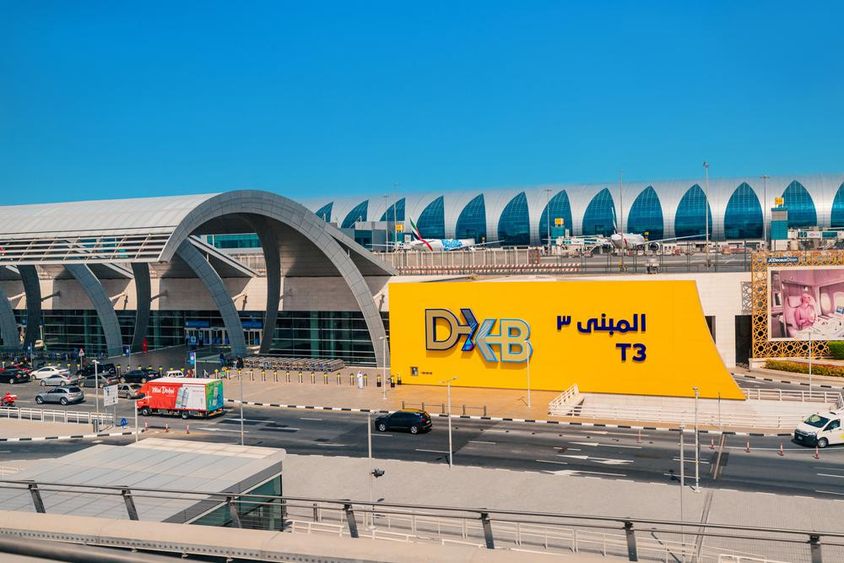
Quick Recovery: How Dubai's Aviation Responds to Regional Conflicts
One of the major challenges recently faced by Middle Eastern aviation came when military conflicts in the region directly impacted air traffic. The tensions aren't just felt at a geopolitical level but also impact everyday travel, especially in global hubs like Dubai. The question isn't whether the crisis affects aviation, but how quickly and efficiently a system can respond and recover.
Over the past decades, Dubai has repeatedly demonstrated exceptional adaptability. Whether it's economic downturns, global pandemics, or regional tensions, the city's infrastructure and strategic thinking have always enabled a quick rebound. The current situation is no exception.
The strategic role of aviation in the region
Dubai is not just a city; it's a global transportation hub connecting various parts of the world. Its geographical location is crucial: a significant portion of the world's population is reachable within a few hours of flight. This position not only offers economic advantage but also immense responsibility.
Without the Middle Eastern aviation system, a significant portion of global travel and freight chains would be paralyzed. Dubai's airports, especially the key players in international traffic, are crucial in this ecosystem. This is why maintaining operations even during a crisis remains a priority.
Temporary disruptions, rapid response
Recent events caused a temporary reduction in traffic due to airspace restrictions and security measures. In some cases, operations had to be suspended briefly due to drone activity and other threats. This naturally presented a significant challenge to a system that handles hundreds of thousands of passengers daily.
However, the key wasn't to avoid disruptions but to manage them. Authorities and operators continuously monitored the situation, opening or closing airspace as needed. Flights were rerouted via alternative pathways, held at other airports if necessary, and passenger safety was ensured under all circumstances.
One of the most critical factors was information flow. Passengers were continually informed, avoiding chaos at airports. This is particularly important in a place that normally handles hundreds of thousands of people daily.
Recovery already underway
Following the initial decline, traffic began to recover quickly. Operations soon reached a significant portion of previous capacity, clearly demonstrating the system's resilience. The resumption of flights, increased passenger traffic, and operational stability all indicate the crisis' impact is temporary.
Coordination among various parties is crucial in such situations. Without the coordinated work of airlines, authorities, security agencies, and airport operators, such quick recovery wouldn’t be possible. Dubai exemplifies this as different systems not only collaborate but effectively strengthen one another.
No stopping: developments continue
Perhaps the most important message is that despite the current situation, developments are not halting. Dubai continues to think long-term and does not react hastily to short-term challenges. Airport infrastructure expansion remains on the agenda, with significant capacity increases expected in the coming years.
One of the most ambitious projects is the development of one of the world's largest airports, which in the future will be able to serve hundreds of millions of passengers annually. This will create new opportunities not only for Dubai but for the entire region.
This approach shows that the city not only reacts to changes but actively shapes the future. Continuing investments send a clear message to the market: Dubai will remain a key player in global aviation in the long term.
Crisis management as a competitive advantage
The current situation highlights that crisis management is not just a necessary skill but can also be a significant competitive advantage. Cities and systems that can respond quickly and effectively emerge stronger in the long run from difficulties.
For Dubai, this is especially true. Experiencing global pandemics or regional conflicts in recent years has all contributed to making the system more resilient. The lessons learned have been integrated into operations, allowing for more prepared responses to every new challenge.
Preserving passenger experience is critical
In such situations, passenger experience could easily take a backseat, but in Dubai's case, it remains a priority. The goal isn't just to maintain operations but to ensure that travel is as seamless as possible.
Ensuring accurate and timely communication, guaranteeing safety, and minimizing congestion have all contributed to keeping airport operations under control even during difficult times. This strengthens passenger trust in the long run.
Summary: a stronger system, a faster future
The current regional conflict posed a serious test for Middle Eastern aviation, but Dubai has once again proven its ability to quickly adapt and recover. Maintaining operations, rapid reaction, and ongoing developments all indicate that the city doesn't just survive challenges but emerges stronger from them.
In terms of global aviation, Dubai's role is indispensable, and current events only reinforce this position. Looking to the future, it’s clear: flexibility, strategic thinking, and continuous development will determine successful operation.
Thus, Dubai doesn't stop – not even in the hardest times.
If you find any errors on this page, please let us know via email.


